أحمد شوقيAhmed Shawqi
 CairoEgypt
Works per decade · click a bar to filter
1921-01-01first performed بني مصر مكانكم تهيأBani Misr Makanukum Tahayya'1921
Sayed DarwishSayed Darwishأحمد شوقي
Anthem / nashid · Ajam UshayranOther · Stage
About the song
سجّل محمد البحر درويش الأغنية، وكُتب على تسجيله أنها من مسرحية «هدى».
A recording by Mohamed al-Bahr Darwish labels the song as part of the play Hudá.
Lyrics1
بَنى مِصرٍ مَكانُكُمو تَهَيّاBanī Miṣr makānkumū tahayyāفَهَيّا مَهِّدوا لِلمُلكِ هَيّاFa-hayyā mahhidū li-l-malik hayyāخُذوا شَمسَ النَهارِ لَهُ حُلِيّاًKhudhū Shams al-nahār lah ḥuliyyanأَلَم تَكُ تاجَ أَوَّلِكُم مَلِيّاAlam tik tāj awwalikum maliyyanعَلى الأَخلاقِ خُطّوا المُلكَ وَاِبنواʻAlá al-akhlāq khuṭṭū al-malik wa-ibnūفَلَيسَ وَراءَها لِلعِزِّ رُكنُFa-lays warāʼahā li-l-ʻizz ruknأَلَيسَ لَكُم بِوادى النيلِ عَدنُAlays lakum bi-wādī al-Nīl ʻAdanوَكَوثَرُها الَّذى يَجرى شَهِيّاWakawtharuhā alladhī yajrī shahiyyanلَنا وَطَنٌ بِأَنفُسِنا نَقيهِLanā waṭan biʼanfusinā naqīhوَبِالدُنيا العَريضَةِ نَفتَديهِWa-bi-al-dunyā al-ʻarīḍah niftidīhإِذا ما سيلَتِ الأَرواحُ فيهِIdhā mā sīlat al-arwāḥ fīhبَذَلناها كَأَن لَم نُعطِ شَيّالَنا الهَرَمُ الَّذى صَحِبَ الزَماناLanā al-haram alladhī ṣaḥib al-zamānāوَمِن حدَثانِهِ أَخَذَ الأَماناWa-min ḥadathānih ukhudh al-amānanوَنَحنُ بَنو السَنا العالى نَماناWa-naḥnu bi-nū al-sanā al-ʻālī namānāأَوائِلُ عَلَّموا الأُمَمَ الرُقِيّاAwāʼil ʻallamū al-umam al-ruqiyyanتَطاوَلَ عَهدُهُم عِزّاً وَفَخراTaṭāwal ʻahduhum ʻizzan wa-fakhranفَلَمّا آلَ لِلتاريخِ ذُخرُFa-lammā Āl li-l-tārīkh dhukhrنَشَأنا نَشأَةً فى المَجدِ أُخرىNashaʼnā nashʼah fī al-majd ukhráجَعَلنا الحَقَّ مَظهَرَها العَلِيّاJaʻalnā al-ḥaqq maẓharahā al-ʻalayyāجَعَلنا مِصرَ مِلَّةَ ليه الجَلالِJaʻalnā Miṣr millah līh al-jalālوَأَلَفنا الصَليبَ عَلى الهِلالِWa-alifnā al-ṣalīb ʻalá al-hilālوَأَقبَلنا كَصَفٍّ مِن عَوالِWaʼaqbalnā ka-ṣaff min ʻawālيُشَدُّ السَمهَرِيُّ السَمهَرِيّاYushadd al-samharī al-samhariyyāنَرومُ لِمِصرَ عِزّاً لا يُرامُNarūm li-Miṣr ʻizzan lā yurāmيَرِفُّ عَلى جَوانِبِه السَلامُYariff ʻalá jawānibih al-salāmوَيَنعَمُ فيهِ جيرانٌ كِرامُWa-yinʻim fīh jīrān kirāmفَلَن تَجِدَ النَزيلَ بِنا شَقِيّاFa-lan tajid al-nazīl binā shaqiyyanنَقومُ عَلى البِنايَةِ مُحسِنيناNiqūm ʻalá al-bināyah muḥsinīnāوَنَعهَدُ بِالتَمامِ إِلى بَنيناWanaʻhad bi-al-tamām ilá banīnāإِلَيكِ نَموتُ مِصرُ كَما حَييناIlayk nimūt Miṣr kamā ḥayīnāوَيَبقى وَجهُكِ المَفدِيُّ حَيّاWa-yibqá wajhak al-Mufdī ḥayyan
Details
- Music
- Words ≠
- Sung by
- Also sung by
- Genre
- نشيدAnthem / nashid
- Maqam
- Film, play or occasion
- نُسبت الأغنية إلى مسرحية «هدى» فقط لأن تسجيلًا لاحقًا لها يحمل اسم المسرحية، ولا يُستشهد لها بقائمة أغاني المسرحية نفسها.The song is placed in the play Hudá only because a later recording is labelled with the play's name; the play's own song list is not cited for it.
- Medium
- Other · Stage
On YouTube
Sources
- بنى مصر مكانكم تهيأ، ويكيبيديا مصرى (CC BY-SA 4.0)
- web.archive.org/web/2023/https://sites.google.com/site/classicarabmusic/great_five_composers/sayed_darwish/works
- بنى مصر مكانكم تهيأ
- hindawi.org/books/80285963/2/
- سيد درويش
- sama3y.net/forum/showthread.php?t=67687
- سيد درويش
- sama3y.net/forum/showthread.php?t=202
- سيد درويش
- sama3y.net/forum/showthread.php?t=3102
- بنى مصر مكانكم تهيأ
- sama3y.net
1923recorded منى روحي ( منك ياهاجر دائي)Minka ya hajirou da'i1923
Mohammed Abdel WahabMohammed Abdel Wahabأحمد شوقي
Qasida · Huzam78 rpm disc
About the song
غنّاها محمد عبد الوهاب لاحقًا بالعود من مقام الكرد لسمية قيصر عام 1991، وظهر هذا الأداء بعد وفاته.
Muḥammad ʻAbd al-Wahhāb later sang it with the oud in maqām kurd for Sumayyah Qayṣar, in 1991; that performance was released after his death.
Dates
Details
- Music
- Words
- Sung by
- Genre
- قصيدةQasida3
- Maqam
- Medium
- 78 rpm disc
- First line
- منك يا هاجر دائى
- Releases
- Early 78; AAA 011 Intégrale vol. I (1920 à 1925) 78 rpm disc
Not yet sorted
- ثم غناها بالعود مقام كرد لسمية قيصر ١٩٩١ - ظهرت بعد وفاته
On YouTube
Sources
- cs.hunter.cuny.edu/~saad/abdelwahab/morestuff/Mohamed Abdel Wahab/Abd El Wahab Work sorted by date.PDF
- discogs.com/release/4126647
- cs.hunter.cuny.edu/~saad/abdelwahab/morestuff/Mohamed Abdel Wahab/Abd El Wahab Work sorted by date.PDF
- قائمة أعمال محمد عبد الوهاب
- cs.hunter.cuny.edu/~saad/abdelwahab/morestuff/Mohamed Abdel Wahab History/Archive of Abdel Wahab Work/9.gif
- Menak Ya Hager Daey- Mohamed Abd El Wahab منك يا هاجر دائي - محمد عبد الوهاب
1924recorded زفة عريس (دار البشاير)Dar el-bashayer1924
Mohammed Abdel WahabMohammed Abdel Wahabأحمد شوقي
Taqtuqa · Bayati78 rpm disc
About the song
أغنية لفرح ابن أحمد شوقي.
A song for the wedding of Aḥmad Shawqī's son.
Details
Not yet sorted
- فرح ابن أحمد شوقي
On YouTube
Sources
- cs.hunter.cuny.edu/~saad/abdelwahab/morestuff/Mohamed Abdel Wahab/Abd El Wahab Work sorted by date.PDF
- discogs.com/release/4126647
- archive.org/details/78_dar-el-bachayer_mohamed-eff-abdel-wahhab_gbia0322518a
- archive.org/details/78_dar-el-bachayer-ii_mohamed-eff-abdel-wahhab_gbia0322518b
- cs.hunter.cuny.edu/~saad/abdelwahab/morestuff/Mohamed Abdel Wahab/Abd El Wahab Work sorted by date.PDF
- cs.hunter.cuny.edu/~saad/abdelwahab/morestuff/Mohamed Abdel Wahab History/Archive of Abdel Wahab Work/15.gif
- زفة العريس. دار البشاير مجلسنا. كلمات: أحمد بك شوقي لحن وغناء.. محمد عبد الوهاب
1924listed قلب بوادي الحمى1924
Mohammed Abdel WahabMohammed Abdel Wahabأحمد شوقي
Qasida · Bayati
Details
- Music
- Words
- Sung by
- Genre
- قصيدةQasida
- Maqam
- بياتيBayati1
- First line
- قلب بوادى الحمى
On YouTube
Sources
- cs.hunter.cuny.edu/~saad/abdelwahab/morestuff/Mohamed Abdel Wahab/Abd El Wahab Work sorted by date.PDF
- cs.hunter.cuny.edu/~saad/abdelwahab/morestuff/Mohamed Abdel Wahab History/Archive of Abdel Wahab Work/9.gif
- محمد عبد الوهاب / قلب بوادي الحمى----1924
- قلب بوادي الحمى ١٩٢٤ (قصيدة) - محمد عبد الوهاب
- قلب بوادي الحمى - محمد عبد الوهاب
1924listed قلبي غدر بي1924
Mohammed Abdel WahabMohammed Abdel Wahabأحمد شوقي
Mawwal · Bayati
Details
- Music
- Words
- Sung by
- Genre
- موالMawwal
- Maqam
- بياتيBayati1
- First line
- قلبى غدر بى
On YouTube
Sources
- cs.hunter.cuny.edu/~saad/abdelwahab/morestuff/Mohamed Abdel Wahab/Abd El Wahab Work sorted by date.PDF
- cs.hunter.cuny.edu/~saad/abdelwahab/morestuff/Mohamed Abdel Wahab History/Archive of Abdel Wahab Work/27.gif
- قلبي غدر بي - محمد عبد الوهاب
- قلبي غدر بي ١٩٢٤ (موال) - محمد عبد الوهاب
- م عبد الوهاب ـ قلبي غدر بي ـ
1925recorded سيد القمر في سماهSayed el-qamar1925
Mohammed Abdel WahabMohammed Abdel Wahabأحمد شوقي
Mawwal · Hijaz78 rpm disc
Details
- Music
- Words
- Sung by
- Genre
- موالMawwal3
- Maqam
- Medium
- 78 rpm disc
- First line
- سيد القمر فى سماه
- Releases
- Early 78; AAA 011 Intégrale vol. I (1920 à 1925) 78 rpm disc
On YouTube
Sources
- cs.hunter.cuny.edu/~saad/abdelwahab/morestuff/Mohamed Abdel Wahab/Abd El Wahab Work sorted by date.PDF
- discogs.com/release/4126647
- cs.hunter.cuny.edu/~saad/abdelwahab/morestuff/Mohamed Abdel Wahab/Abd El Wahab Work sorted by date.PDF
- cs.hunter.cuny.edu/~saad/abdelwahab/morestuff/Mohamed Abdel Wahab History/Archive of Abdel Wahab Work/27.gif
- سيد القمر في سماه ١٩٢٥ (موال) - محمد عبد الوهاب
- محمّد عبد الوهّاب موّال سيد القمر في سماه كلمات أحمد شوقي على الغراموفون عام ١٩٢٥
1926listed ياليلة الوصل استني1926
Mohammed Abdel WahabMohammed Abdel Wahabأحمد شوقي
Dawr · Rast
Details
- Music
- Words
- Sung by
- Genre
- دورDawr
- Maqam
- راستRast1
- First line
- ياليلة الوصل استنى
On YouTube
Sources
- cs.hunter.cuny.edu/~saad/abdelwahab/morestuff/Mohamed Abdel Wahab/Abd El Wahab Work sorted by date.PDF
- cs.hunter.cuny.edu/~saad/abdelwahab/morestuff/Mohamed Abdel Wahab History/Archive of Abdel Wahab Work/11.gif
- محمّد عبد الوهّاب دور ياليلة الوصل إستنّي أفرح بحبّي وأتمتّع على البيضافون عام ١٩٢٩
- م.عبد الوهاب ـ يا ليلة الوصل استني
1927recorded اللي يحب الجمالElli yhebb el-gamal1927
Mohammed Abdel WahabMohammed Abdel Wahabأحمد شوقي
Monologue · Bayati78 rpm disc
Lyrics8
اللي يحبّ الجمال * يسمح بروحه ومالهIllī yuḥibb al-jamāl * yismaḥ bi-rūḥuh wa-māluhقلبه إلى الحسن مال * مال العواذل ومالهQalbuh ilá al-Ḥasan māl * māl al-ʻawādhil wa-māluhنام يا حبيبي نام * سهرت عليك العنايةNām yā ḥabībī nām * sahirt ʻalayk al-ʻināyahياريت تشوف في المنام * دمعي وتنظر ضناياYārīt tishūf fī al-manām * damʻī wa-tanẓur ḍanāyāالحب طير في الخمايل * شفنا غرايب جنونهAl-ḥubb ṭayr fī al-khamāyil * shufnā gharāyib junūnuhحاكم بأمره وشايل * على جناحه قانونهḤākim biʼamruh wa-shāyil * ʻalá janāḥuh qānūnuhتيجى تصيده يصيدك * ومن سلم من حبالهTījī tiṣīduh yiṣīdak * wa-min sallim min ḥibāluhوكل خالى مصيره * يعذّب الحب بالهWa-kull khālī maṣīruh * yiʻadhdhib al-ḥubb bāluhياللي ما دقت الغرام * من العيون السلامةYāllī mā duqt al-gharām * min al-ʻuyūn al-salāmahاسلم بروحك حرام * دي عين تقيم القيامةAsallim bi-rūḥak ḥarām * dī ʻayn tuqīm al-Qiyāmahالإسم عين وتلاقيها * قدح وخمرة وساقيAl-ism ʻayn watilāqīhā * qadaḥ wa-khamrah wa-sāqīوسحبة الرمش فيها * من بابل السحر باقيWasaḥbat al-rimsh fīhā * min Bābil al-siḥr bāqī
Dates
Details
- Music
- Words
- Sung by
- Genre
- مونولوجMonologue3
- Maqam
- Medium
- 78 rpm disc
- First line
- اللى يحب الجمال
- Releases
- AAA 013 Intégrale vol. II (1927) 78 rpm disc
On YouTube
Sources
- cs.hunter.cuny.edu/~saad/abdelwahab/morestuff/Mohamed Abdel Wahab/Abd El Wahab Work sorted by date.PDF
- discogs.com/release/4392699
- cs.hunter.cuny.edu/~saad/abdelwahab/morestuff/Mohamed Abdel Wahab/Abd El Wahab Work sorted by date.PDF
- cs.hunter.cuny.edu/~saad/abdelwahab/morestuff/Mohamed Abdel Wahab History/Archive of Abdel Wahab Work/20.gif
- EllyYehibElGamal - Mohamed Abd El Wahab اللي يحب الجمال - محمد عبد الوهاب
- محمد عبد الوهاب ـ اللي يحب الجمال
- اللي يحب الجمال ١٩٢٧ (مونولوج) - محمد عبد الوهاب
- اللى يحب الجمال، ويكيبيديا مصرى (CC BY-SA 4.0)
1927recorded الليل بدموعه جانيEl-leil bi-dmou'ou gani1927
Mohammed Abdel WahabMohammed Abdel Wahabأحمد شوقي
Monologue · Rast78 rpm disc
Details
- Music
- Words
- Sung by
- Genre
- مونولوجMonologue3
- Maqam
- Medium
- 78 rpm disc
- First line
- الليل بدموعه جانى
- Releases
- AAA 013 Intégrale vol. II (1927) 78 rpm disc
On YouTube
Sources
- cs.hunter.cuny.edu/~saad/abdelwahab/morestuff/Mohamed Abdel Wahab/Abd El Wahab Work sorted by date.PDF
- discogs.com/release/4392699
- cs.hunter.cuny.edu/~saad/abdelwahab/morestuff/Mohamed Abdel Wahab/Abd El Wahab Work sorted by date.PDF
- cs.hunter.cuny.edu/~saad/abdelwahab/morestuff/Mohamed Abdel Wahab History/Archive of Abdel Wahab Work/20.gif
- Mohamed Abd El Wahab - El Leil Bedomoh Gani | محمد عبد الوهاب - الليل بدموعه جانى
- الليل بدموعه جاني ١٩٢٧ (مونولوج) - محمد عبد الوهاب
- محمد عبد الوهاب ـ الليل بدموعه جاني ـ أحمد شوقي
1927recorded خدعوها بقولهم حسناءKhada'ouha1927
Mohammed Abdel WahabMohammed Abdel Wahabأحمد شوقي
Qasida · Bayati78 rpm disc
Details
- Music
- Words
- Sung by
- Genre
- قصيدةQasida
- Maqam
- Medium
- 78 rpm disc
- First line
- خدعوها بقولهم حسناء
- Releases
- Baidaphon (catalogue no. not given) 78 rpm discBaidaphon 78; AAA 013 Intégrale vol. II (1927) 78 rpm disc
On YouTube
Sources
- cs.hunter.cuny.edu/~saad/abdelwahab/morestuff/Mohamed Abdel Wahab/Abd El Wahab Work sorted by date.PDF
- discogs.com/release/4392699
- phonotheque.cmam.tn/archives/items/D-0396/
- cs.hunter.cuny.edu/~saad/abdelwahab/morestuff/Mohamed Abdel Wahab/Abd El Wahab Work sorted by date.PDF
- cs.hunter.cuny.edu/~saad/abdelwahab/morestuff/Mohamed Abdel Wahab History/Archive of Abdel Wahab Work/8.gif
- Mohamed Abd El Wahab - Khadaouha Beqawlehem Hassna | محمد عبد الوهاب - خدعوها بقولهم حسناء
- محمد عبد الوهاب - خدعوها بقولهم حسناء
1927recorded شبكتي قلبي ياعينShabakti qalbi1927
Mohammed Abdel WahabMohammed Abdel Wahabأحمد شوقي
Monologue · Jiharkah78 rpm disc
Details
- Music
- Words
- Sung by
- Genre
- مونولوجMonologue3
- Maqam
- Medium
- 78 rpm disc
- First line
- شبكتى قلبى ياعينى
- Releases
- AAA 013 Intégrale vol. II (1927) 78 rpm disc
On YouTube
Sources
- cs.hunter.cuny.edu/~saad/abdelwahab/morestuff/Mohamed Abdel Wahab/Abd El Wahab Work sorted by date.PDF
- discogs.com/release/4392699
- cs.hunter.cuny.edu/~saad/abdelwahab/morestuff/Mohamed Abdel Wahab/Abd El Wahab Work sorted by date.PDF
- cs.hunter.cuny.edu/~saad/abdelwahab/morestuff/Mohamed Abdel Wahab History/Archive of Abdel Wahab Work/21.gif
- محمد عبد الوهاب / شبكتي قلبي 1927
- شبكتِ قلبي ١٩٢٧ (مونولوج) - محمد عبد الوهاب
- م.عبد الوهاب ـ شبكتي قلبي يا عيني
1928listed أنا أنطونيوAna Antonio1928
Mohammed Abdel WahabMohammed Abdel Wahabأحمد شوقي
Qasida · Hijaz Kar Kurd78 rpm disc
Lyrics7
انا انطونيو و انطونيو انـــاAnā Anṭūnyū wa Anṭūnyū anāما لروحينا عن الحب غنىMā lirūḥīnā ʻan al-ḥubb ghannáغننا فى الشةق او غن بنــانحن فى الحب حديث بعدناNaḥnu fī al-ḥubb ḥadīth baʻdnāرجعت عن شجونا الريح الحنونRijiʻt ʻan shujūnā al-rīḥ al-ḥanūnو بعينينا بكى المزن الهـــــــــتونWa bi-ʻīnīnā baká al-muzn al-hatūnو بعثنا من نفاثات الشـــــــــجونWa baʻathnā min naffāthāt al-shujūnفى حواشى الليل برقا و سنىFī ḥawāshī al-layl barqan wa sanáخبرى يا كأس و اشهد يا وترKhabbirī yā kaʼs wa ashhad yā watarهل جنينا من ربا الانس السمرHal janaynā min rubā al-uns al-sumrو رشفنا من دواليها المنىWa rashafnā min dawālīhā al-munáالحياة الحب و الحب الحياةAl-ḥayāh al-ḥubb wa al-ḥubb al-ḥayāhهو من سرحتها سر النواهHuwa min sarḥatihā sirr al-nawāhو على صحرائها مرت يداهWa ʻalá ṣaḥrāʼihā marrat yadāhفجرت ميه و ظلا و جنىFa-jurt mayyah wa ẓillan wa jannīنحن شعرا و اغانى غداNaḥnu shuʻarā wa aghānī ghadanبهوانا راكب البيد حـــداBi-hawānā rākib al-byad ḥadāو بنا الملاح فى اليم شداWa binā al-milāḥ fī al-yamm shadāو بكى الطير و غنى موهناWa baká al-ṭayr wa ghanná mawhinanمن يكن فى الحب ضحى بالكرىMin yakun fī al-ḥubb ḍaḥḥá bi-al-karáاو بمسفوح من الدمع جـــــــــرىŪ bimasfūḥ min al-damʻ jaráنحن قربنا له ملك الـــــــــــــثرىNaḥnu qarrabnā lah malak al-tharáو لقينا الموت فيه هيناWa liqīnā al-mawt fīh hayyinanفى الهوى لم نأل جهد الموثرFī al-hawá lam naʼl juhd al-mūthirهو اعطى الحب تاجى قيصرHuwa aʻṭī al-ḥubb tājī Qayṣarلم لا اعطى الهوى تاجى مناLam lā aʻṭī al-hawá tājī minnā
Details
- Music
- Words
- Sung by
- Genre
- قصيدةQasida
- Maqam ≠
- حجاز كار كردHijaz Kar Kurd7
- Medium
- 78 rpm disc
- Releases
- AAA 013 Intégrale vol. II (1927) 78 rpm disclater 7-inch reissue, coupled with «يا دنيا يا غرامي» 7"
On YouTube
Sources
- cs.hunter.cuny.edu/~saad/abdelwahab/morestuff/Mohamed Abdel Wahab/Abd El Wahab Work sorted by date.PDF
- discogs.com/release/4392699
- cs.hunter.cuny.edu/~saad/abdelwahab/morestuff/Mohamed Abdel Wahab/Abd El Wahab Work sorted by date.PDF
- أنا أنطونيو - محمد عبد الوهاب
- أنا أنطونيو ١٩٢٧ (قصيدة) - محمد عبد الوهاب
- انا انطونيو - محمد عبد الوهاب
- انا انطونيو، ويكيبيديا مصرى (CC BY-SA 4.0)
1928recorded ردت الروح على المضنى معكRoddat el-rouh1928
Mohammed Abdel WahabMohammed Abdel Wahabأحمد شوقي
Qasida · Bayati78 rpm disc
Dates
Details
Sources
- cs.hunter.cuny.edu/~saad/abdelwahab/morestuff/Mohamed Abdel Wahab/Abd El Wahab Work sorted by date.PDF
- discogs.com/release/14534421
- discogs.com/release/14755313
- smb.museum-digital.de/json/objects?s=persinst:140766
- cs.hunter.cuny.edu/~saad/abdelwahab/morestuff/Mohamed Abdel Wahab/Abd El Wahab Work sorted by date.PDF
- cs.hunter.cuny.edu/~saad/abdelwahab/morestuff/Mohamed Abdel Wahab History/Archive of Abdel Wahab Work/8.gif
1929listed في الليل لما خليFil-leil lamma khili1929
Mohammed Abdel WahabMohammed Abdel Wahabأحمد شوقي
Monologue · Bayati78 rpm disc
Lyrics8
فى الليل لما خليFī al-layl lammā khallīإلاّ من الباكيIllā min al-bākīوالنوح على الدوح ...حليWa-al-nawḥ ʻalá al-dawḥ ...ḥilyللصارخ الشاكيLilṣṣārikh al-shākīما تعرف المبتليMā tiʻraf al-mubtalīفى الروض من الحاكيFī al-rawḍ min al-ḥākīسكون .. ووحشة وظلمةSukūn .. wa-waḥshah wa-ẓulmahوليل ملوش اخرWa-layl malūsh ākhirونجمة مالتWa-najmah mālatونجمة حلفت ما تتاخرWa-najmah ḥalaft mā titākhkharده النوم يا ليلDah al-nawm yā laylنعمة ..Niʻmah ..يحلم بها الساهرYiḥlam bihā al-sāhirالفجر شقشق وفاضAl-fajr shaqshaq wa-fāḍعلى سواد الخميلةʻAlá sawād al-khamīlahلمح كلمح البياضLamḥ ka-lamḥ al-bayāḍمن العيون الكحيلةوالليل سرح فى الرياضWa-al-layl saraḥ fī al-Riyāḍأدهم بغرة جميلةAd′ham bi-ghurrah jamīlahهنا .. نواح ع الغصونHinā .. nuwāḥ ʻ al-ghuṣūnوهناك بكى فى المضاجعWa-hunāk baká fī al-maḍājiʻليه تشتهي النوم عيونLīh tishtihī al-nawm ʻuyūnوعيون سواهي هواجعWa-ʻuyūn sawāhī hawājiʻودوح غرق فى الشجونWa-dawḥ gharaq fī al-shujūnودوح ما شافش المواجعWa-dawḥ mā shāfsh al-mawājiʻيا ليل أنيني سمعتهYā layl anīnī samiʻtuhوالشوق رجع لي وعادWa-al-shawq rajaʻ lī wa-ʻādوكل جرح وسعتهWa-kull jurḥ wasiʻtuhوكل جرح بميعادWa-kull jurḥ bi-mīʻādكم من مفارق وجيعتهKam min mafāriq wajīʻtuhوليله هجر وبعادWa-laylah hajr wabiʻād
Details
- Music
- Words
- Sung by
- Genre
- مونولوجMonologue2
- Maqam
- Medium
- 78 rpm disc
- First line
- فى الليلى لما خلى
- Releases
- AAA 017 Intégrale vol. VI (1932-33) 78 rpm disc
On YouTube
Sources
- cs.hunter.cuny.edu/~saad/abdelwahab/morestuff/Mohamed Abdel Wahab/Abd El Wahab Work sorted by date.PDF
- cs.hunter.cuny.edu/~saad/abdelwahab/morestuff/Mohamed Abdel Wahab/Abd El Wahab Work sorted by date.PDF
- discogs.com/release/4392783
- cs.hunter.cuny.edu/~saad/abdelwahab/morestuff/Mohamed Abdel Wahab History/Archive of Abdel Wahab Work/22.gif
- محمد ثروت.. في الليل لما خلي.. حفلة لندن.. بحضور عبد الوهاب صاحب الأغنية
- في الليل لما خلي ١٩٢٩ (مونولوج) - محمد عبد الوهاب
- تراث الأغانى في الليل لما خلي محمد عبد الوهاب
- فى الليل لما خلى، ويكيبيديا مصرى (CC BY-SA 4.0)
1929listed ياناعما رقدت جفونه (الروح ملك يمينه)Ya na'iman raqadat goufounouh1929
Mohammed Abdel WahabMohammed Abdel Wahabأحمد شوقي
Qasida · Bayati78 rpm disc
Details
On YouTube
Sources
- cs.hunter.cuny.edu/~saad/abdelwahab/morestuff/Mohamed Abdel Wahab/Abd El Wahab Work sorted by date.PDF
- cs.hunter.cuny.edu/~saad/abdelwahab/morestuff/Mohamed Abdel Wahab/Abd El Wahab Work sorted by date.PDF
- discogs.com/release/3024173
- discogs.com/release/29139856
- cs.hunter.cuny.edu/~saad/abdelwahab/morestuff/Mohamed Abdel Wahab History/Archive of Abdel Wahab Work/10.gif
- الموسيقار محمد عبد الوهاب - يا ناعماً رقدت جفونه (جودة عالية) بالكلمات
- محمد عبد الوهاب - يا ناعما رقدت جفونه
- يا ناعماً رقدت جفونه ١٩٢٩ (قصيدة) - محمد عبد الوهاب
1930listed إن قلبي لمخبري1930
Mohammed Abdel WahabMohammed Abdel Wahabأحمد شوقي
Qasida
About the song
الأغنية من مسرحية «مجنون ليلى»، وقد أهدتها نهلة القدسي إلى التلفزيون المصري.
The song comes from the play Majnūn Laylá. Nahlah al-Qudsī presented it to Egyptian Television.
Dates
- Year in a list
- 19301
Details
- Music
- Words
- Sung by
- Genre
- قصيدةQasida
- Film, play or occasion
Not yet sorted
- من مسرحية "مجنون ليلى" أهدتها نهلة القدسي للتليفزيون المصري
On YouTube
1930listed بلبل حيرانBulbul hayran1930
Mohammed Abdel WahabMohammed Abdel Wahabأحمد شوقي
Monologue · Rast78 rpm disc
Lyrics8
بلبل حيران على الغصون ... شجى معنى بالورد هايمBulbul ḥayrān ʻalá al-ghuṣūn ... shajī maʻná bi-al-ward hāyimفى الدوح سهران من الشجون ... بكى وغنى والورد نايمFī al-dawḥ sahrān min al-shujūn ... baká wa-ghanná wa-al-ward nāyimسكران بغير الكاس ... فى مجلس الوردSakrān baghīr al-kās ... fī majlis al-wardمن عنبر الأنفاس ... ومنظر الخدMin ʻAnbar al-anfās ... wa-manẓar al-khaddيبصّ فوقه ... ويبص تحتهYibuṣ fa-wuqqah ... wa-yibuṣ taḥtuhويمد طوقه ... يشم ريحتهWa-yimudd ṭawquh ... yishimm rīḥituhفنن يحط ... وفنن يشيلFa-nin yiḥuṭṭ ... wafanan yishīlوجناح يقوم به ... وجناح يميلWa-janāḥ yiqūm bih ... wa-janāḥ yamīlفى إيد الليل ... يلعب بهFī īd al-layl ... yilʻab bihورّاه الويل ... يا قلبُهWarāh al-wayl ... yā qalbuhمجروح من ساقه ومن طوقهMajrūḥ min sāquh wa-min ṭawquhما درى بالشوك من شوقهMā durrī bi-al-shawk min shawquhمن دوح لدوح سهر ونوحMin dawḥ li-dawḥ sahar wa-nawḥيا ليل ده طير بدن وروحYā layl dah ṭayr badan wa-rūḥمن فرع غصنه ع الورد مالMin farʻ ghuṣnuh ʻ al-ward mālوراح يمين وجا شمالWa-rāḥ yamīn wa-jā shimālقال له يا سوسن يا تمر حنهQāl lah yā sūsan yā tamr ḥinnahيا ورد أحسن من ورد جنةYā ward aḥsan min ward jannahمين بالفرح لوّنكMīn bi-al-faraḥ lawnakومن الشفق كوّنكWa-min al-shafaq kawwanakيا ريحة الحبايب يا خد الملاحYā rīḥat al-ḥabāyib yā khud al-milāḥلشوكة جمالك حطت السلاحLi-shawkah jamālak ḥaṭṭit al-silāḥتبارك اللى خلق ... ظلك من الخفةTabārak illī khalq ... ẓillak min al-khiffahواللى كساك الورق ... ولفّه دى اللفةWa-illī kasāk al-waraq ... wa-laffuh dī al-laffahزيِّ القبل ولِفّة ... شفة على شفةZayy al-qabl wa-laffah ... shaffah ʻalá shaffahيا ورد فوق لا الجناح ... يرضى ولا الجرح يرقىYā ward fūq lā al-janāḥ ... yarḍá wa-lā al-jurḥ yirqáتشوفنى وقت الصباح ... جسد على الارض ملقىTishūfnī waqt al-ṣabāḥ ... jasad ʻalá al-arḍ malqáأموت شهيد الجراح ... ويعيش جمالك ويبقىAmūt shahīd al-jirāḥ ... wa-yaʻīsh jamālak wa-yibqáأشكى لمين الهوىAshkī limīn al-hawá
Details
- Music
- Words
- Sung by
- Genre
- مونولوجMonologue
- Maqam
- Medium
- 78 rpm disc
- First line
- بلبل حيران على الغصون
- Releases
- AAA 015 Intégrale vol. IV (1929-30) 78 rpm disclater Baidaphon 7-inch reissues 7"
On YouTube
Sources
- cs.hunter.cuny.edu/~saad/abdelwahab/morestuff/Mohamed Abdel Wahab/Abd El Wahab Work sorted by date.PDF
- cs.hunter.cuny.edu/~saad/abdelwahab/morestuff/Mohamed Abdel Wahab/Abd El Wahab Work sorted by date.PDF
- discogs.com/release/3024173
- cs.hunter.cuny.edu/~saad/abdelwahab/morestuff/Mohamed Abdel Wahab History/Archive of Abdel Wahab Work/21.gif
- محمد عبد الوهاب - بلبل حيران - Mohamed Abdel Wahab - Bolbol Hayran
- بلبل حيران - محمد عبد الوهاب
- بلبل حيران ١٩٢٩ (مونولوج) - محمد عبد الوهاب
- بلبل حيران، ويكيبيديا مصرى (CC BY-SA 4.0)
1930listed تلفتت ظبية الواديTalaffatat zabyat el-wadi1930
Mohammed Abdel WahabMohammed Abdel Wahabأحمد شوقي
Qasida · Hijaz78 rpm disc
Details
- Music
- Words
- Sung by
- Genre
- قصيدةQasida
- Maqam
- Medium
- 78 rpm disc
- First line
- تلفتت ظبية الوادى
- Releases
- AAA 015 Intégrale vol. IV (1929-30) 78 rpm disclater Baidaphon 7-inch reissue, coupled with «علموه كيف يجفو» 7"
On YouTube
Sources
- cs.hunter.cuny.edu/~saad/abdelwahab/morestuff/Mohamed Abdel Wahab/Abd El Wahab Work sorted by date.PDF
- cs.hunter.cuny.edu/~saad/abdelwahab/morestuff/Mohamed Abdel Wahab/Abd El Wahab Work sorted by date.PDF
- discogs.com/release/3024173
- cs.hunter.cuny.edu/~saad/abdelwahab/morestuff/Mohamed Abdel Wahab History/Archive of Abdel Wahab Work/8.gif
- محمد عبد الوهاب / تلفتت ظبية الوادي 1930
- تلفتت ظبية الوادي ـ محمد عبد الوهاب ـ أحمد شوقي
- تلفتت ظبية الوادي ١٩٣٢ "نسخة مختلفة ١" (قصيدة) - محمد عبد الوهاب
1931listed ياشراعا وراء دجلةYa shira'an wara' Dijla1931
Mohammed Abdel WahabMohammed Abdel Wahabأحمد شوقي
Qasida · Rast78 rpm disc
About the song
أُعدّت الأغنية لمناسبة عيد جلوس ملك العراق فيصل الأول. وتضعها إحدى إعادات الإصدار على أسطوانة مدمجة مع أغاني فيلم «الوردة البيضاء»، غير أن قوائم الأعمال لا تذكرها بين أغاني الفيلم.
The song was made for the anniversary of the accession of King Fayṣal I of Iraq. A CD reissue groups it with the songs of the film al-Wardah al-bayḍāʼ, but the lists of works do not mark it as a film song.
Details
Not yet sorted
- عيد جلوس ملك العراق فيصل الأول
On YouTube
Sources
- cs.hunter.cuny.edu/~saad/abdelwahab/morestuff/Mohamed Abdel Wahab/Abd El Wahab Work sorted by date.PDF
- cs.hunter.cuny.edu/~saad/abdelwahab/morestuff/Mohamed Abdel Wahab/Abd El Wahab Work sorted by date.PDF
- discogs.com/release/4390343
- discogs.com/release/15346166
- cs.hunter.cuny.edu/~saad/abdelwahab/morestuff/Mohamed Abdel Wahab History/Archive of Abdel Wahab Work/10.gif
- Mohamed Abd El Wahab - Ya Sheraan Wara Degla | محمد عبد الوهاب - يا شراعا وراء دجلة
- يا شراعا وراء دجلة يجري - محمد عبد الوهاب
1932listed علموه كيف يجفو'Allamouhou kayfa yajfou1932
Mohammed Abdel WahabMohammed Abdel Wahabأحمد شوقي
Qasida · Hijaz Kar Kurd78 rpm disc
About the song
يذكر ملصق الأسطوانة المطرب باسم «مطرب الملوك الأستاذ محمد عبد الوهاب».
The disc label credits the singer as «Muṭrib al-mulūk al-ustādh Muḥammad ʻAbd al-Wahhāb», the singer of kings.
Lyrics10
علموه كيف يجفو فجفا ... ظالمٌ لا قيتُ منهُ ما كفىʻAllamūh kayf yajfū fa-jafā ... ẓālim lā qīt minnuh mā kafáمسرفٌ قى هجرهِ ما ينتهى ... أتراهم علّموه السرفاجعلوا ذنبى عنده سَهَرى ... ليتَ يَدرى اذ درى الذنبَ عفاJaʻalū dhanbī ʻinduh saharī ... layt yidrī idh durrī al-dhanb ʻafāغصنُ بانى، كلما عاتبتُهٌ ... عطفتهُ رقّةٌ فانعطفَGhuṣn bi-innī, kullamā ʻātabtuh ... ʻaṭaftuh riqqah fa-inʻaṭafواذا مثّلتهُ فى خاطرى ... صفّقَ القلبُ لهُ وهفاWa-idhā maththaltuh fī khāṭirī ... ṣaffaq al-qalb lah wa-hafā
Details
- Music
- Words
- Sung by
- Genre
- قصيدةQasida
- Maqam ≠
- حجاز كار كردHijaz Kar Kurd10
- Medium
- 78 rpm disc
- First line
- علموه كيف يجفو فجفا
- Releases
On YouTube
Sources
- cs.hunter.cuny.edu/~saad/abdelwahab/morestuff/Mohamed Abdel Wahab/Abd El Wahab Work sorted by date.PDF
- cs.hunter.cuny.edu/~saad/abdelwahab/morestuff/Mohamed Abdel Wahab/Abd El Wahab Work sorted by date.PDF
- discogs.com/release/4392734
- discogs.com/release/27003387
- discogs.com/release/15359724
- cs.hunter.cuny.edu/~saad/abdelwahab/morestuff/Mohamed Abdel Wahab History/Archive of Abdel Wahab Work/9.gif
- Abd el-wahab - محمد عبد الوهاب - علموه كيف يجفو
- علموه كيف يجفو محمد عبد الوهاب
- محمد عبد الوهاب - علموه كيف يجفو فجفا - Mohamed Abdel Wahab - Allamooh kaifa Yagfou
- علموه كيف يجفو، ويكيبيديا مصرى (CC BY-SA 4.0)
1933-12-04film premiere النيل نجاشيEl-Nil nagashi1933
Mohammed Abdel WahabMohammed Abdel Wahabأحمد شوقي
Monologue · Bayati78 rpm disc · Film
About the song
يظهر رياض السنباطي في هذه الأغنية عازفًا على العود في فيلم «الوردة البيضاء»، الذي عُرض ستة أسابيع في سينما رويال بالقاهرة.
Riyāḍ al-Sunbāṭī appears playing the oud in this song in the film al-Wardah al-bayḍāʼ, which ran for six weeks at Cinema Royal in Cairo.
Lyrics15
النيل نجاشى ... حليوه اسمرAl-Nīl najāshī ... ḥalīwah asmarعجب للونه دهب و مرمرʻAjab li-lawnuh dahab wa marmarارغوله فى ايدهArghūlah fī īduhيسبح لسيدهYisbaḥ li-sayyidahحياة بلدناḤayāh baladnāيا رب زيدُهYā rabb zīduhقالت غرامى فى فلوكة ... و ساعة نزهة ع الميهQālat gharāmī fī fillūkah ... wa sāʻah nuz′hah ʻ al-mayyahلمحت ع البعد حمامة ... رايحة على الميه و جايهLi-maḥat ʻ al-buʻd ḥamāmah ... rāyḥah ʻalá al-mayyah wa jāyahووقفت انادى الفلايكى ... تعالى من فضلك خدناWa-waqaft unādī al-falāykī ... taʻālá min fa-ḍillak khadnāرد الفلايكى بصوت ملايكى ... قال مرحبا بكم مرحبتينRadd al-falāykī bi-ṣawt malāykī ... qāl marḥaban bikum marḥabtīnدى ستنا و انت سيدناDī sittinā wa int sīdnāهيلا هوب هيلاHīlā hūb hīlāصلح لى قلوعك ياريسṢulḥ lī qulūʻak yā rayyisجات الفلوكة و الملاح ... و نزلنا و ركبناJāt al-fillūkah wa al-milāḥ ... wa nizilnā wa rikibnāحمامة بيضا بفرد جناح ... تودينا و تجيبناḤamāmah bīḍā bifard janāḥ ... tūddīnā wa tijībnāو دارت الالحان و الراح ... و سمعنا و شربناWa dārit al-alḥān wa al-rāḥ ... wa simiʻnā wa sharibnāصلح لى قلوعك يا ريسṢulḥ lī qulūʻak yā rayyisهيلا هوب هيلاHīlā hūb hīlā
Dates
Details
- Music
- Words
- Sung by
- Musicians
- Genre
- مونولوجMonologue10
- Maqam
- Film, play or occasion
- Medium
- 78 rpm disc · Film
- First line
- النيل نجاشى حليوة أسمر
Not yet sorted
- film الوردة البيضاء (1933) song issued on 78; AAA 018 Intégrale vol. VII Film 'La Rose Blanche' 1933
On YouTube
Sources
- cs.hunter.cuny.edu/~saad/abdelwahab/morestuff/Mohamed Abdel Wahab/Abd El Wahab Work sorted by date.PDF
- cs.hunter.cuny.edu/~saad/abdelwahab/morestuff/Mohamed Abdel Wahab/Abd El Wahab Work sorted by date.PDF
- قائمة أعمال محمد عبد الوهاب
- discogs.com/release/4390343
- elcinema.com/work/1004429/
- الوردة البيضاء (فلم)
- imdb.com/title/tt0268754/
- الوردة البيضاء (فلم)
- قائمة أعمال محمد عبد الوهاب
- cs.hunter.cuny.edu/~saad/abdelwahab/morestuff/Mohamed Abdel Wahab/Abd El Wahab Work sorted by date.PDF
- cs.hunter.cuny.edu/~saad/abdelwahab/morestuff/Mohamed Abdel Wahab History/Archive of Abdel Wahab Work/20.gif
- النيل نجاشى الموسيقار محمد عبد الوهاب
- النيل نجاشي - محمد عبد الوهاب
- محمد عبد الوهاب -النيل نجاشي (1933) بالألوان, موسيقار الأجيال كما لم تره من قبل!
- النيل نجاشى، ويكيبيديا مصرى (CC BY-SA 4.0)
1936listed عيد الدهر / جنة الوادي (الملك بين يديك)Eid al-dahr1936
Riad al-SunbatiUmm Kulthumأحمد شوقي
Qasida · RastOther
About the song
قصيدة مناسبة غنّتها أم كلثوم في عيد الجلوس على العرش.
An occasional qaṣīdah sung by Umm Kulthūm for the anniversary of the king's accession to the throne (ʻĪd al-julūs).
Lyrics5
الملك بين يديك فى إقبالهAl-malik bayn yadayk fī iqbāluhعوذت ملكك بالنبى وآلهʻAwwadht milkak bi-al-nabī waʼālih
حر وأنت الحر فى تاريخهḤurr wa-anta al-ḥurr fī tārīkhuhسمح وأنت السمح فى إقبالهSamḥ wa-anta al-samḥ fī iqbāluh
يفديك نصرانيه بصليبهYafdīk naṣrānīyah biṣalībuhوالمنتمى لمحمد بهلالهWa-al-muntamá li-Muḥammad bi-hilāluh
يجدون دولتك التى سعدوا بهاYajidūn dawlatak allatī saʻidū bihāمن رحمة المولى ومن أفضالهMin raḥmat al-mawlá wa-min afḍālih
ملك شاطره ميامن حالهMalak shāṭirah mayāmin ḥāluhوترى بإذن الله حسن مآلهWa-tará bi-idhan Allāh Ḥasan maʼāluh
فكأنك الفاروق فى كرسيهFa-kaʼannak al-Fārūq fī kursiyyuhنعمت شعوب الأرض تحت ظلالهNiʻmat shuʻūb al-arḍ taḥt ẓilāluh
يا جنة الوادى ونزهة روحهYā jannat al-wādī wa-nuz′hah rūḥuhونعيم مهجته وراحة بالهWa-Naʻīm muhjatih wa-rāḥah bāluh
الله صاغك جنتين لخلقهAllāh ṣāghak jannatayn li-khalqahمحفوفتين بأنعم لعيالهMaḥfūfatayn bi-anʻam liʻiyāluh
فاروق جملها وزان ضفافهاFārūq jammalahā wa-zān ḍifāfahāعرش يلوذ الشعب تحت ظلالهʻArsh yalūdh al-shaʻb taḥt ẓilāluh
فكأن عيدك عيدها لما مشىFakaʼann ʻīdak ʻīd′hā lammā masháفيها البشير ببشره وجمالهFīhā al-Bashīr bi-bushrah wa-jamāluh
تيهى بعيدك فى الممالك وإسلمىTīhī bi-ʻīdak fī al-mamālik waʼislamīفى السلم للألاف من أمثالهFī al-sallim lilʼalāf min amthālih
Dates
- Year given by a source
- 1936 ≠236
- First performance or broadcast
- 19371السنة مأخوذة من قائمة بأعمالها لا تذكر إن كانت سنة الأداء الأول أم سنة التسجيل.The year comes from a list of her works that does not say whether it is the year of the first performance or of the recording.
- Year in a list
- 19374
- Year given by a source
- 1948 ≠5
Details
On YouTube
Sources
- قائمة أعمال أم كلثوم
- lib-webarchive.aub.edu.lb/BorreLudvigsen/20200602172556mp_/http://almashriq.hiof.no/egypt/700/780/umKoulthoum/Songs/
- sama3y.net/forum/archive/index.php/t-13890.html
- قائمة أعمال أم كلثوم
- عيد الدهر ( الملك بين يديك )، ويكيبيديا مصرى (CC BY-SA 4.0)
- جنة الوادى، ويكيبيديا مصرى (CC BY-SA 4.0)
1937-10-07first performed سلوا كؤوس الطلاSalu ku'us al-tila1937
Riad al-SunbatiUmm Kulthumأحمد شوقي
Qasida · HuzamConcert
About the song
أهدى أحمد شوقي القصيدة إلى أم كلثوم، وغيّر أحمد رامي بيتًا منها. غنّتها أول مرة في حفل يوم 7 أكتوبر 1937، وآخر مرة في حفل يوم 19 يونيو 1954 في بنك مصر، وبقيت منها ثلاثة تسجيلات من الحفلات.
Aḥmad Shawqī gave the poem to Umm Kulthūm, and Aḥmad Rāmī changed one line. She first sang it at a concert on 7 October 1937 and last sang it in concert on 19 June 1954 at Bank Miṣr. Three concert recordings are preserved.
Lyrics11
سلوا كؤوس الطلا هل لامست فاهاSalū kuʼūs al-ṭilā hal lāmasat fāhāواستخبروا الراح هل مست ثناياهاWāstakhbirū al-rāḥ hal massat thanāyāhāباتت على الروض تسقيني بصـافــيـهBātat ʻalá al-rawḍ tisqīnī bi-ṣāfiyahلا لــلـسـلاف ولا لــلــــورد ريـــاهـــاLā li-l-sulāf wa-lā li-l-ward riyyāhāما ضر لو جعلت كأسي مراشـــفهـــاMā ḍurr law jaʻalt kaʼsī marāshifahāولو سقتني بصاف من حـمـيـــاهــاWa-law saqatnī biṣāf min ḥumayyāhāهيفاء كالبان يـلـتـف الـنـسـيـم بـهـــاHayfāʼ ka-al-bān yaltaff al-nasīm bihāويلفت الطير تحت الوشي عطفـاهــاحـديـثـهـا الـسـحـر الا انـــه نـــغـــــمḤadīthuhā al-siḥr alā innah naghamجــرت علــــــي فــم داود فــغــنـاهـاJurt ʻAlī fa-m Dāwūd fa-ghināhāحمامة الأيك من بالـشــجـو طـارحـهاḤamāmat al-ayk min bi-al-shajw ṭāraḥahāومن وراء الدجي بالشوق نـــاجـاهــاWa-min warāʼ al-dujay bi-al-shawq nājāhāالقت الي اللـيـل جـيـدا نــافـراAl-qat ilayya al-layl jīdan nāfiranورمــت اليه اذنا وحــــــــارت فـيـــه عـيـنـاهـاWa-rumt al-yh udhunan waḥārat fīh ʻaynāhāوعادها الشوق للاحباب فـــانـبـعثـتWaʻādahā al-shawq li-l-aḥbāb fānbaʻathatتبكي وتـهـتــف احــيـانـا بـشـكـواهــاTibkī wa-tahtif aḥyānan bishakwāhāياجارة الأيك أيام الــــــهـوي ذهـبــتYājārat al-ayk ayyām al-hawá dhahabtكالحلم آهــــــــــــا لأيام الهــوى آهــاKa-al-ḥulm āhā li-ayyām al-hawá āhā
Dates
- First performance or broadcast
- 1937-10-071تذكر القائمة الفرنسية سنة 1937 في إيوارت للحفلة الأولى مع علامة استفهام.The French list gives 1937 at Ewart as the first concert with a question mark.
- First performance or broadcast
- 19376إيوارتEwart
- Year in a list
- 193857
- Year given by a source
- 19468ضمن مجموعة من أغانيها من شعر شوقيin a batch of her songs to words by Shawqī
- Other date
- 1954-06-196آخر أداء لها في حفل، بنك مصرlast concert performance, Bank Miṣr
Details
- Music
- Words
- Sung by
- أحد المصادر لا يؤكد من يغنيها.One source does not confirm who sings it.
- Genre
- Maqam
- Film, play or occasion
- ConcertEwart Memorial Hall (American University in Cairo)
- Medium
- Concert
- Releases
Not yet sorted
- restored copy posted 2026 from Nadim al-Rah's recording
On YouTube
Sources
- almodon.com/culture/2025/11/30/أم-كلثوميوميات-الغناء-12
- قائمة أعمال أم كلثوم
- phonotheque.cmam.tn/archives/items/D-3544/
- phonotheque.cmam.tn/archives/items/D-4227/
- قائمة أعمال أم كلثوم
- Oum Kalthoum#Chansons enregistrées en concert
- almashriq
- sama3y.net
- sama3y.net
- sama3y.net
- سلوا كؤوس الطلا، ويكيبيديا مصرى (CC BY-SA 4.0)
1938listed مضناك جفاه مرقدهMudnaka gafahou marqadouh1938
Mohammed Abdel WahabMohammed Abdel Wahabأحمد شوقي
Qasida · Hijaz78 rpm disc · Radio
About the song
القصيدة من شعر أحمد شوقي، وكان محمد عبد الوهاب قد غنّاها قبل ذلك في العشرينيات والثلاثينيات. ويوصف تسجيلها على أسطوانة طويلة صدرت عام 1973 بأنه تسجيل مطوّل مع العود.
The poem is by Aḥmad Shawqī. Muḥammad ʻAbd al-Wahhāb had already performed it in the 1920s and 1930s; the track on a 1973 LP is labelled an extended recording with oud.
قد يكون تسجيل الأسطوانة الطويلة الصادرة عام 1973، الموصوف بأنه تسجيل مطوّل مع العود، تسجيلًا مختلفًا.The 1973 LP track, labelled an extended recording with oud, may be a different take.
Lyrics12
مضناك جفاه مرقده .. و بكاه و رحم عوّدهMuḍnāk jafāh marqaduh .. wa bakāh wa ruḥim ʻawdahحيران القلب معذبه .. مقروح الجفن مسهدهḤayrān al-qalb muʻadhdhabuh .. maqrūḥ al-jafn musahhaduhيستهوي الورق تأوهه .. و يذيب الصخر تنهدهYastahwī al-waraq taʼawwuhuh .. wa yudhīb al-ṣakhr tanahhuduhو يناجي النجم و يتعبه .. و يقيم الليل و يقعدهWa yinājī al-Najm wa yutʻibuh .. wa yuqīm al-layl wa yuqʻiduhالحسن حلفت بيوسفه .. و السورة أنك مفردهAl-Ḥasan ḥalaft biyūsufih .. wa al-Sūrah annak mufraduhوتمنت كل مقطعة .. يدها لو تبعث تشهدهWatamannat kull muqaṭṭaʻah .. yad′hā law tibʻath tashhaduhجحدت عيناك زكي دمي .. أكذلك خدك يجحدهJaḥadat ʻaynāk Zakī dammī .. akadhalik khaddak yajḥaduhقد عز شهودي اذ رمتا .. فأشرت لخدك أشهدهQad ʻizz shuhūdī idh ramatā .. faʼashart li-khaddak ashhaduhبيني فى الحب و بينك ما .. لا يقدر واش يفسدهBaynī fī al-ḥubb wa baynik mā .. lā yiqdar wa-ash yufsiduhمابال العاذل يفتح لي .. باب السلوان و أوصدهMābāl al-ʻādhil yaftaḥ lī .. bāb al-sulwān wa ūṣiduhويقول تكاد تجنّ به .. فأقول وأوشك أعبدهWa-yiqūl takād tajinn bih .. fa-aqūl waʼūshik aʻbuduhمولاي و روحي فى يده .. قد ضيعها ، سلمت يدهMawlāy wa rūḥī fī yaduh .. qad ḍayyaʻahā , sallamt yaduhناقوس القلب يدق له .. و حنايا الأضلع معبدهNāqūs al-qalb yaduqq lah .. wa ḥanāyā al-aḍluʻ maʻbaduhقسما بثنايا لؤلؤه .. قسم الياقوت منضدهQasaman bi-thanāyā luʼluʼah .. qasam al-Yāqūt munaḍḍaduhما خنت هواك ولا خطرت .. سلوى بالقلب تبردهMā khunt hawāk wa-lā khaṭarit .. Salwá bi-al-qalb tubarriduh
Dates
Details
- Music
- Words
- Sung by
- Genre
- قصيدةQasida
- Maqam
- Film, play or occasion
- Radio78
- Medium
- 78 rpm disc · Radioوسيط الإذاعة مفترض، وليس موثقاً لهذه الأغنية.The radio medium is assumed, not documented for this song.
- First line
- مضناك جفاه مرقده
- Releases
- Cairophon (CMAM D-0588_exp_1-2; no. not given) ; Cairophon 45 CS-139 / HPB 19 (45, matrix 7XBDA 183/184, undated); Cairophon LPCXG 141 '40 Years of Success Vol. II' (LP 1973, 'extended recording with oud') 78 rpm disc6
On YouTube
Sources
- cs.hunter.cuny.edu/~saad/abdelwahab/morestuff/Mohamed Abdel Wahab/Abd El Wahab Work sorted by date.PDF
- cs.hunter.cuny.edu/~saad/abdelwahab/morestuff/Mohamed Abdel Wahab/Abd El Wahab Work sorted by date.PDF
- phonotheque.cmam.tn/archives/items/D-0588_exp_1-2/
- cs.hunter.cuny.edu/~saad/abdelwahab/morestuff/Mohamed Abdel Wahab/Abd El Wahab Work sorted by date.PDF
- discogs.com/release/10942739
- discogs.com/release/15212214
- cs.hunter.cuny.edu/~saad/abdelwahab/morestuff/Mohamed Abdel Wahab History/Archive of Abdel Wahab Work/9.gif
- مضناك جفاه مرقده- محمد عبد الوهاب عود(كاملة ونادرة)
- محمد عبد الوهاب / مضناك جفاه مرقده --- 1948
- Sami Abu Shumays, «Maqam Hijaz and Hijazkar» (YouTube playlist)
- Madnak - Mohamed Abd El Wahab مضناك - محمد عبد الوهاب
- مضناك جفاه مرقده، ويكيبيديا مصرى (CC BY-SA 4.0)
1938first performed مقادير من جفينكMaqadir min gafnayk1938
Riad al-SunbatiUmm Kulthumأحمد شوقي
Qasida · Hijaz KarConcert
About the song
هذه القصيدة لأحمد شوقي كانت أول ألحان رياض السنباطي، وهي من أعماله المبكرة وتسجيلها مفقود، ثم لحّنها محمد عبد الوهاب بلحن من وضعه وغنّاها. وغنّتها أم كلثوم في قاعة إيوارت التذكارية يومي 3 مارس و14 أبريل 1938 ويوم 4 مايو 1939. ولم يبق من أدائها سوى تسجيل واحد.
This poem by Aḥmad Shawqī was Riyāḍ al-Sunbāṭī's first composition, an early work whose recording is lost; Muḥammad ʻAbd al-Wahhāb later set it to a melody of his own and sang it. Umm Kulthūm sang it at Ewart Memorial Hall on 3 March and 14 April 1938 and on 4 May 1939. Only one recording of her performance survives.
Dates
- Year given by a source
- 1937 ≠2في منشورات منتدى، بلا مصدرin forum posts, without a source
- Other date
- 1938-03-032غنّتها في قاعة إيوارت التذكاريةsung at Ewart Memorial Hall
- Other date
- 1938-04-142غنّتها في قاعة إيوارت التذكاريةsung at Ewart Memorial Hall
- First performance or broadcast
- 19381السنة مأخوذة من قائمة بأعمالها لا تذكر إن كانت سنة الأداء الأول أم سنة التسجيل.The year comes from a list of her works that does not say whether it is the year of the first performance or of the recording.
- Year in a list
- 19383
- Year given by a source
- 1938 ≠4أول حفل أو الحفل الوحيد المحفوظ، في الأزبكية، مع علامة استفهامfirst concert or the only preserved one, at al-Azbakīyah, with a question mark
- Other date
- 1939-05-042غنّتها في قاعة إيوارت التذكاريةsung at Ewart Memorial Hall
Details
- Music
- Words
- Sung by
- Also sung by
- Musicians
- أداء السنباطي لها على العود غير مؤكد.It is not certain that al-Sunbāṭī performed it on the oud.
- Genre
- Theme
- Maqam ≠
- حجاز كارHijaz Kar3
- Film, play or occasion
- ConcertEwart Memorial Hall
- Medium
- Concert
On YouTube
1939released سجى الليلSaga el-leil1939
Mohammed Abdel WahabMohammed Abdel Wahabأحمد شوقي
Qasida · Nikriz78 rpm disc · Film
About the song
مقطع من مسرحية أحمد شوقي «مجنون ليلى» غنّاه محمد عبد الوهاب في فيلم «يوم سعيد»، واستخدم فيه أسلوب الأوبرا.
A passage from Aḥmad Shawqī's play Majnūn Laylá, sung by Muḥammad ʻAbd al-Wahhāb in the film Yawm saʻīd in an operatic style.
ربما كانت جزءًا من مشهد «مجنون ليلى» نفسه الذي يضم الثنائي مع أسمهان، مع أن القوائم تذكرها منفصلة.It may be part of the same scene from Majnūn Laylá as the duet with Asmahān, though the lists give it separately.
Lyrics20
سجى الليل لحد هاج لى الشعر و الهوىSajá al-layl laḥadd hāj lī al-shiʻr wa al-hawáوما البيد الا الليل و الشعر و الحبWa-mā al-byad alā al-layl wa al-shiʻr wa al-ḥubbملأت سماء البيد عشقا و ارضهاMalaʼt samāʼ al-byad ʻishqan wa arḍahāو حملت وحدى ذلك العشق يا ربWa ḥamalt waḥdī dhālika al-ʻishq yā rabbالم على ابيات ليلى بى الهوىAl-m ʻalá abyāt Laylá bī al-hawáو ما غير أبياتى دليل و لا ركبWa mā ghayr abyātī dalīl wa lā rakbو باتت خيامى خطوة من خيامهاWa bātat khiyāmī khaṭwah min khiyāmhāفلم يشفنى منها جوار و لا قربFa-lam yashfinī minhā jiwār wa lā qarrabاذا طاف قلبى حولها جن شوقهIdhā ṭāf qalbī ḥawlhā jann shawquhكذلك يطفئ الغلة المنهل العذبKa-dhālika yuṭfiʼ al-ghallah al-manhal al-ʻadhbيحن اذا شطت و يصبو اذا دنتYaḥinn idhā shaṭṭat wa yaṣbū idhā danatفيا ويح قلبى كم يحن و كم يصبوFīya wayḥ qalbī kam yaḥinn wa kam yaṣbū
Dates
Details
Not yet sorted
- original_disc_issue 1939 [medium]: Original Baidaphon 78 B 100310/100311 'سجي الليل', label note 'قطعه من مجنون ليلى للمرحوم شوقي بك في فلم يوم سعيد', dated 1939 on Discogs. (https://api.discogs.com/releases/12769343) — also: Film يوم سعيد premiere 1940-01-15: https://elcinema.com/work/1006804/ ; CUNY list 1940: https://cs.hunter.cuny.edu/~saad/abdelwahab/morestuff/Mohamed%20Abdel%20Wahab/Abd%20El%20Wahab%20Work%20sorted%20by%20date.PDF ; Greek-pressed Baidaphon copy with runouts 100310 IV / 100311 II (undated): https://www.discogs.com/release/34454758 ; Fathallah 1995 table (qasa'id): 'سجى الليل' - MAW - أحمد شوقي - 1939 [https://cs.hunter.cuny.edu/~saad/abdelwahab/morestuff/Mohamed%20Abdel%20Wahab%20History/Archive%20of%20Abdel%20Wahab%20Work/8.gif]
- فيلم يوم سعيد - من مسرحية مجنون ليلى - استخدم فيها الأوبرا
On YouTube
Sources
- cs.hunter.cuny.edu/~saad/abdelwahab/morestuff/Mohamed Abdel Wahab/Abd El Wahab Work sorted by date.PDF
- cs.hunter.cuny.edu/~saad/abdelwahab/morestuff/Mohamed Abdel Wahab/Abd El Wahab Work sorted by date.PDF
- discogs.com/release/12769343
- discogs.com/release/34454758
- discogs.com/release/15346102
- elcinema.com/work/1006804/
- يوم سعيد (فلم)
- imdb.com/title/tt0281388/
- يوم سعيد (فلم)
- قائمة أعمال محمد عبد الوهاب
- cs.hunter.cuny.edu/~saad/abdelwahab/morestuff/Mohamed Abdel Wahab/Abd El Wahab Work sorted by date.PDF
- cs.hunter.cuny.edu/~saad/abdelwahab/morestuff/Mohamed Abdel Wahab History/Archive of Abdel Wahab Work/8.gif
- api.discogs.com/releases/12769343
- cs.hunter.cuny.edu/~saad/abdelwahab/morestuff/Mohamed Abdel Wahab History/Archive of Abdel Wahab Work/8.gif]
- ar.wikipedia
- Wikidata
- محمد عبد الوهاب - سجى الليل
- سجى الليل - محمد عبد الوهاب
- سجى الليل - محمد عبد الوهاب
- سجى الليل، ويكيبيديا مصرى (CC BY-SA 4.0)
1939recorded مجنون ليلى (أوبريت)Magnoun Layla (with Asmahan)1939
Mohammed Abdel WahabMohammed Abdel Wahab & Asmahanأحمد شوقي
Operetta78 rpm disc · Film · Film
About the song
أوبريت على كلمات من مسرحية أحمد شوقي، غنّاها محمد عبد الوهاب وأسمهان عام 1939، وشارك فيها عباس فارس أيضًا. وعُرضت في فيلم «يوم سعيد» (1940)، وفيه يُسمع صوت أسمهان دون أن تظهر.
An operetta on words from Aḥmad Shawqī's play, sung by Muḥammad ʻAbd al-Wahhāb and Asmahān in 1939, with ʻAbbās Fāris also taking part. It was shown in the film Yawm saʻīd (1940), in which Asmahān is heard but not seen.
Lyrics9
قيس :ليلىQays :Layláابو ليلى: من الهاتف ُ الداعي؟ أقيسَ أرىAbū Laylá: min al-hātif al-dāʻī? Aqays ará
ماذا وقوفُك و الفتيانُ قد سارواMādhā wuqūfak wa al-fityān qad sārū
قيس: ما كنتُ يا عمُ فيهمQays: mā kunt yā ʻamm fīhumابو ليلى: أين كنت إذن؟Abū Laylá: ayn kunt idhan?قيس: فى الدار حتى خلت من نارنا الدارQays: fī al-dār ḥattá khalat min nārinā al-dār
ما كان من حطبٍ جزلى بساحتناMā kān min ḥaṭab jazlī bi-sāḥitnā
أودى الرياح به والضيفُ والجارُAwdá al-riyāḥ bih wa-al-ḍayf wa-al-jār
ابو ليلى: انتظر قيس، ليلىAbū Laylá: intaẓar Qays, Layláليلى: ما وراء أبى؟Laylá: mā warāʼ abī?
ابو ليلى: هذا ابنُ عمِك ما فى بيتِهم نارُAbū Laylá: hādhā Ibn ʻammik mā fī baytihim nār
ليلى: قيس ابن عمي عندنا يا مرحبا يا مرحباLaylá: Qays Ibn ʻammī ʻindanā yā marḥaban yā marḥabanقيس: مُتِعتِ ليلى بالحياة و وصلت الأربَQays: mattaʻt Laylá bi-al-ḥayāh wa waṣalat al-arabليلى: عفراءLaylá: ʻAfrāʼعفراء: مولاتىʻAfrāʼ: mawlātīليلى: تعالي نقضي حقا واجباLaylá: taʻālī niqḍī ḥaqqan wājiban
خذي وعاء و املئيه لابن عمي حطباKhudhī wiʻāʼ wa imlaʼīh li-Ibn ʻammī ḥaṭaban
قيس: بالروح ليلى قضت لي حاجة عرضتQays: bi-al-rūḥ Laylá qaḍat lī ḥājah ʻaraḍat
ما ضرْهَا لو قضت للقلبِ حاجاتِMā ḍarhā law qaḍat li-l-qalb ḥājāt
كم جئتُ ليلى بأسبابٍ ملفقةٍKam jiʼt Laylá bi-asbāb mulaffaqah
ما كان اكتر أسبابي و علاتيMā kān aktar asbābī wa ʻillātī
ليلى: قيسLaylá: Qaysقيس: ليلى بجانبي كلُ شىءٍ إذن حضرQays: Laylá bi-jānbī kull sháʼ idhan ḥaḍarليلى: جمعتنا فأحسنت ساعة تَفضل العمرLaylá: jamaʻtanā fa-aḥsant sāʻah tafaḍḍal al-ʻumrقيس: أتجدين؟Qays: atajidīn?ليلى: ما فؤادى حديدٌ ولا حجرLaylá: mā fuʼādī ḥadīd wa-lā ḥajar
لك قلب فَسله يا قيس ينبئكَ بالخبرLak qalb fasalh yā Qays yunabbiʼak bi-al-khabar
قد تحمّلتُ فى الهوى فوقَ ما يحملُ البشرQad taḥammalt fī al-hawá fūq mā yaḥmil al-bashar
قيس: لستُ ليلاىَ داريا كيف أشكو و أنفجرQays: last laylāy dāriyan kayf ashkū wa anfajir
أشرح الشوقَ كله أم من الشوقِ أختصرAshraḥ al-shawq kulluh Umm min al-shawq akhtaṣir
ليلى: نبئنى قيس ما الذي لك فى البيدِ من وطرLaylá: nabbiʼnī Qays mā alladhī lak fī al-byad min waṭar
لك فيها قصائدٌ جاوزتَها الى الحضرLak fīhā qaṣāʼid jāwaztahā ilá al-ḥaḍar
أترى قد سلوتَنا و عشقتَ المها الأُخرAtará qad salawtanā wa ʻashiqt al-mahā al-ukhar
قيس: غرتِ ليلى من المها والمها منك لم تغرQays: ghirt Laylá min al-mahā wa-al-mahā mink lam taghar
لست كالغيدِ لا.. ولا قمرَ البيدِ كالقمرLast ka-al-ghīd lā.. wa-lā qamar al-byad ka-al-qamar
النار تكاد توصل إلى كم قيسAl-nār takād tūṣal ilá kam Qays
ليلى؛ ويح عينى ما أرىLaylá; wayḥ ʻaynī mā aráقيس: ليلىQays: Layláليلى: خذ الحذرLaylá: khudh al-ḥadharقيس: ربَّ فجر سألته هل تنفستِ فى السَحرQays: rabb fajr saʼaltuh hal tanaffast fī al-siḥr
و رياحي حسبتُها جررت ذيلَك العطرWa riyāḥī ḥasibtahā jarart dhaylak al-ʻiṭr
و غزالي جفونه سرقت عينك الحورWa ghazālī jufūnuh saraqat ʻaynak al-ḥawar
ابو ليلى: امض قيس امض جئت تطلبُ ناراAbū Laylá: imḍ Qays imḍ jiʼt tiṭlub nāran
أم ترى جئت تشعلُ البيتَ ناراUmm tará jiʼt tushʻil al-bayt nāran
قيس: سجى الليل حتى هاج لى الشعر و الهوى وما البيدُ الا الليلُ والشعرُ و الحبُQays: sajá al-layl ḥattá hāj lī al-shiʻr wa al-hawá wa-mā al-byad alā al-layl wa-al-shiʻr wa al-ḥubb
ملأتَ سماءَ البيد عشق و أرضَها وحُمّلتُ وحدي ذلك العشق يا ربُMalaʼt samāʼ al-byad ʻishq wa arḍihā wa-ḥamalt waḥdī dhālika al-ʻishq yā rabb
ألمّ على أبيات ليلى بي الهوى وما غيرَ أبياتي دليل ولا ركبُAlam ʻalá abyāt Laylá bī al-hawá wa-mā ghayr abyātī dalīl wa-lā rakb
و باتت خيامي خطوةً من خيامها فلم يشفن منها جوار ولا قربُWa bātat khiyāmī khaṭwah min khiyāmhā fa-lam yashfin minhā jiwār wa-lā qarrab
اذا طافَ قلبى حولها جُنَ شوقُه كذلك يطفى الغُلَةَ المنهلُ العذبُIdhā ṭāf qalbī ḥawlhā jann shawquh ka-dhālika yiṭfī al-ghallah al-manhal al-ʻadhb
يحنُ اذا شطَّت و يصبو اذا دنت، فيا ويح قلبي كم يحنُ وكم يصبو !Yaḥinn idhā shaṭṭat wa yaṣbū idhā danat, fīya wayḥ qalbī kam yaḥinn wa-kam yaṣbū !
Dates
- Recorded
- 1939211
- Year in a list
- 19391415161718192021221023
- Year given by a source
- 1939 ≠189تاريخ النشرpublication date
- Film premiere
- 1940-01-153
- Year given by a source
- 1940 ≠21سنة الفيلمyear of the film
- Year given by a source
- 1941 ≠17سنة لقائها بعبد الوهاب وسنة الأوبريتyear of her meeting with ʻAbd al-Wahhāb and of the operetta
Details
- Music
- Words
- Sung by ≠
- Genre
- Film, play or occasion
- Medium
- 78 rpm disc · Filmلم يُعثر على فهرس يؤكد صدورها على أسطوانة 78 لفة.No catalogue was found that confirms an issue on a 78 rpm disc.
- Releases
- Cairophon (per ar.wiki infobox); 10" LP Cairophon LPC 28 (matrices LBDA 55/56, with الجندول) 78 rpm disc12
Not yet sorted
- film يوم سعيد (1940)
On YouTube
Sources
- قائمة أعمال محمد عبد الوهاب
- cs.hunter.cuny.edu/~saad/abdelwahab/jadeed.html
- elcinema.com/work/1006804/
- يوم سعيد (فلم)
- imdb.com/title/tt0281388/
- يوم سعيد (فلم)
- قائمة أعمال محمد عبد الوهاب
- cs.hunter.cuny.edu/~saad/abdelwahab/morestuff/Mohamed Abdel Wahab/Abd El Wahab Work sorted by date.PDF
- مجنون ليلى (اوبريت)، ويكيبيديا مصرى (CC BY-SA 4.0)
- محمد عبد الوهاب
- almodon.com/culture/2018/07/29/بحثاً-عن-أسمهانسيرتها-اللامعة-كالشهاب-والقصيرة-كعمره
- مجنون ليلى (أوبريت)
- discogs.com/release/8967729
- أسمهان
- اسمهان
- Asmahan
- Asmahan
- wikidata.org/wiki/Q12239151
- sama3y.net/forum/archive/index.php/t-1572.html
- sama3y.net/forum/archive/index.php/t-77.html
- elcinema.com/person/1023469/
- قالب:أسمهان (مغنية)
- Agha al-Kalaa
- sama3y index
1940recorded هل تيم البان (فؤاد الحمام)Hal Tayyam al-Ban1940
Mohammed el-QasabgiAsmahanأحمد شوقي
QasidaRadio
About the song
لحّنها محمد القصبجي تحدّيًا لمحمد عبد الوهاب وسعيًا إلى كسب أم كلثوم قبل فيلم «دنانير». وكان عنوان قصيدة أحمد شوقي في الأصل «يا زمن الوصل». تزيد مدتها على 27 دقيقة، وهي أطول أغاني أسمهان.
Muḥammad al-Qaṣabjī set it as a challenge to Muḥammad ʻAbd al-Wahhāb and to win over Umm Kulthūm ahead of the film Danānīr. Aḥmad Shawqī's poem was originally titled Yā zaman al-waṣl. At over 27 minutes, it is Asmahān's longest song.
Also listed as: هل تيم البان
Dates
Details
- Music
- Words
- Sung by
- Genre
- قصيدةQasida
- Film, play or occasion
- Medium
- Radioلا يذكر المصدر إن كانت قد صُنعت للأسطوانة أم للإذاعة.The source does not say whether it was made for disc or for radio.
- Releases
- BBC recording (27:24); CD Virgin 0946 3 10931 2 8 "Legends of the 20th Century – BBC Recordings" (2000)
On YouTube
Sources
- أسمهان
- arabicpost.net/فن-ومشاهیر/2022/07/22/القصبجي-وأسمهان/
- أسمهان
- لستة الحان محمد القصبجى
- Mohamed El Qasabgi
- Mohamed El Qasabgi
- discogs.com/release/13482923
- almodon.com/culture/2018/07/29/بحثاً-عن-أسمهانسيرتها-اللامعة-كالشهاب-والقصيرة-كعمره
- annahar.com/arabic/article/150299-أسمهان-الروح-التائهة-أبدا
- arabicpost.net/فن-ومشاهیر/2022/07/22/القصبجي-وأسمهان/
- أسمهان
- اسمهان
- Asmahan
- sama3y.net/forum/archive/index.php/t-1572.html
- sama3y.net/forum/archive/index.php/t-77.html
- Agha al-Kalaa
- هل تيم البان - اسمهان
- أسمهان : هل تيم البان فؤاد الحمام ٬ تسجيل مختصر
- أسمهان تشدو قصيدة "هل تيم البان " والقصيدة لأحمد شوقي والألحان لمحمد القصبجي
1942first performed هلا هلا هيا (هلا هلا)Hala Hala1942
Haqqi al-ShibliNazem al-Ghazaliأحمد شوقي
Song · HuzamStage
About the song
أول أغنية لناظم الغزالي، غنّاها في مسرحية «مجنون ليلى». وقد أذاعتها الإذاعة العراقية، وكانت سبيله إلى دخولها.
Nāẓim al-Ghazālī's first song, sung in the play Majnūn Laylá. Iraqi radio broadcast it, and it took him into the radio.
لم يُتحقَّق من أن «من يقود الجمال في القافلة» هي الأغنية نفسها.It is not verified that «من يقود الجمال في القافلة» is the same song.
Also listed as: من يقود الجمال في القافلة14
Dates
Details
- Music ≠
- Words ≠
- Sung by
- Genre
- أغنيةSong
- Maqam
- Film, play or occasion
- مجنون ليلىStageplay "Majnun Layla" (Ahmed Shawqi), Zabaniyya troupe / Haqqi al-Shibli
- Medium
- Stage
- Releases
- Bou Zaid Phone FX-1870 (side B of 7" FX-1869/FX-1870, "هله هله", Lebanon pressing); CD مؤسسة العزاوي EAVCD 066 "هلا هلا"; cassette Morico 395 "هلا هلاهيا هلا"5Chakmakchi20
Not yet sorted
- Aljarida 2/6 places the Majnun Layla production after his 1947 return to the Institute
- Al-Jarida part 2: the song was chosen by al-Shibli for «مجنون ليلى», which it places after his 1947 return to the institute
- sama3y index: «ابتهال – هلا هلا هيا» (two uploads, one a disc)
- play "Majnun Layla" (Ahmed Shawqi), Zabaniyya troupe / Haqqi al-Shibli
On YouTube
Sources
- ناظم الغزالي
- algardenia.com/terathwatareck/19586-2015-10-16-21-25-20.html
- aljarida.com/article/18807
- elcinema.com/en/person/2062572
- discogs.com/release/10902280
- discogs.com/release/13337010
- discogs.com/release/28060224
- ناظم الغزالي
- ناظم الغزالى
- נאזם אל-ע'זאלי
- sama3y.net/forum/showpost.php?p=638835&postcount=428
- sama3y.net/forum/showthread.php?t=12952
- aljarida.com/article/18937
- doc.aljazeera.net/art-and-youth/2018/3/1/ناظم-الغزالي-مُجدِّد-المقام
- sama3y.net/forum/showpost.php?p=232975&postcount=80
- sama3y.net/forum/showpost.php?p=501804&postcount=326
- aljarida.com/article/18807
- ناظم الغزالي
- mawdoo3
- sama3y.net
- sama3y.net
- sama3y.net
1943listed دمشق (سلام من صبا بردى)Dimashq (Salamun min Saba Barada)1943
Mohammed Abdel WahabMohammed Abdel Wahabأحمد شوقي
Qasida · NahawandRadio
About the song
نظم أحمد شوقي هذه القصيدة عام 1926 في قصف الفرنسيين لدمشق، إبّان الاستعمار الفرنسي لسوريا.
Aḥmad Shawqī wrote the poem in 1926, on the French bombardment of Damascus during the French occupation of Syria.
Dates
Details
- Music
- Words
- Sung by
- Genre
- قصيدةQasida
- Maqam
- Medium
- Radioوسيط الإذاعة مفترض، وليس موثقاً لهذه الأغنية.The radio medium is assumed, not documented for this song.
- First line
- سلام من صبا بردى
- Releases
- Soutelphan 10 LPS 37 (10" LP 'Dimashq / Filastin', censorship permit no. 462 dated 1963-08-19); Soutelphan GSTP 45 (LP 1975)3
Not yet sorted
- عن الاستعمار الفرنسي لشوريا ١٩٢٦
On YouTube
Sources
- cs.hunter.cuny.edu/~saad/abdelwahab/morestuff/Mohamed Abdel Wahab/Abd El Wahab Work sorted by date.PDF
- cs.hunter.cuny.edu/~saad/abdelwahab/morestuff/Mohamed Abdel Wahab/Abd El Wahab Work sorted by date.PDF
- discogs.com/release/7768385
- discogs.com/release/15217392
- cs.hunter.cuny.edu/~saad/abdelwahab/morestuff/Mohamed Abdel Wahab History/Archive of Abdel Wahab Work/8.gif
1945listed السودان ( إلام الخلف بينكمُ إلام)al-Sudan (Ilama al-Khulfu Baynakum)1945
Mohammed Abdel WahabMohammed Abdel Wahabأحمد شوقي
Qasida · NahawandRadio
Details
- Music
- Words
- Sung by
- Genre
- قصيدةQasida
- Maqam
- Medium
- Radioالإذاعة هنا افتراض عام لأغانيه في تلك الفترة، وليست موثقة لهذه الأغنية بعينها.The radio medium is a general assumption for his songs of this period, not documented for this song.
- First line
- إلام الخُلف بينكمو إلام
- Releases
- Cairophon HPCL 39 (45, France, 'Ilama Elkholf / Enta Enta', matrix 7 BDA 77/78, undated)
On YouTube
Sources
- cs.hunter.cuny.edu/~saad/abdelwahab/morestuff/Mohamed Abdel Wahab/Abd El Wahab Work sorted by date.PDF
- cs.hunter.cuny.edu/~saad/abdelwahab/morestuff/Mohamed Abdel Wahab/Abd El Wahab Work sorted by date.PDF
- discogs.com/release/29098657
- cs.hunter.cuny.edu/~saad/abdelwahab/morestuff/Mohamed Abdel Wahab History/Archive of Abdel Wahab Work/7.gif
- عبد الوهاب وقصيدة احمد شوقي//الام الخلف بينكم الاما
- إلام الخلف بينكم إلاما ـ محمد عبد الوهاب ـ أحمد شوقي ـ الأسطوانة والتسجيل الإذاعي
- تراث الأغانى محمد عبدالوهاب إِلامَ الخُلفُ بَينَكُمُ
1946first performed الهمزية النبوية (ولد الهدى)Wulid al-huda (al-Hamziyya al-nabawiyya)1946
Riad al-SunbatiUmm Kulthumأحمد شوقي
Qasida · RastOther
About the song
غنّتها أم كلثوم في النادي الأهلي في نوفمبر 1949، وتسجيل تلك الحفلة ناقص ومُجمَّع من أجزاء. ويُحفظ منها خمسة تسجيلات من الحفلات.
Umm Kulthūm sang it at al-Nādī al-Ahlī in November 1949; the recording of that concert is incomplete and was spliced together. Five concert versions are preserved.
Lyrics11
ولد الهدى فالكائنات ضياء وفم الزمان تبسم وثناءWalad al-hudá fa-al-kāʼināt Ḍiyāʼ wafam al-zamān tabassam wa-thanāʼالروح والملأ الملائك حوله للدين والدنيا به بشراءAl-rūḥ wa-al-malaʼ al-malāʼik ḥawlah li-l-dīn wa-al-dunyā bih busharāʼوالعرش يزهو والحظيرة تزدهى والمنتهى والسدرة العصماءWa-al-ʻarsh yaz′hū wa-al-ḥaẓīrah tazdahī wa-al-muntahá wa-al-sidrah al-ʻaṣmāʼوالوحى يقطر سلسلا من سلسل واللوح والقلم البديع رواءWa-al-waḥy yaqṭur salsalan min salsil wa-al-lawwiḥ wa-al-qalam al-Badīʻ rawāʼيا خير من جه الوجود تحية من مرسلين الى الهدى بك جاؤوابك بشر الله السماء فزينت وتضوعت مسكا بك الغبراءBik bashar Allāh al-samāʼ fa-zayyant wataḍawwaʻat miskan bik al-ghabrāʼيوم يتيه على الزمان صباحه ومساؤه بمحمد وضاءYawm yatīh ʻalá al-zamān ṣabāḥuh wamasāʼuh bi-Muḥammad waḍḍāʼيوحى اليك النور فى ظلمائه متتابعا تجلى به الظلماءYūḥá ilayk al-nūr fī ẓalmāʼih mutatābiʻan tajallá bih al-ẓalmāʼوالآى تترى و الخوارق كبيره جبريل رواح بيها غداءWa-al-āy tatrá wa al-khawāriq kbīrah Jibrīl rawāḥ bīhā ghadāʼدين يشيد آية فى آية لبناته السورات و الأضواءDīn yushayyid āyah fī āyah labinātuh al-sūrāt wa al-aḍwāʼالحق فيه هو الأساس و ازاى لا والله جل جلاله البناءAl-ḥaqq fīh huwa al-asās wa izzāy lā wa-Allāh jall jalālat al-bināʼبك يا ابن عبدالله قامت سمحة بالحق من ملل الهدى غراءBik yā Ibn ʻAbd Allāh qāmat Samḥah bi-al-ḥaqq min malal al-hudá gharrāʼبنيت على التوحيد و هو حقيقة نادى بيها سقراط والقدامBanīt ʻalá al-tawḥīd wa huwa ḥaqīqah nādá bīhā Suqrāṭ wa-al-quddāmومشى على وجه الزمان بنورها كهان وادى النيل والعرفاءWa-mashá ʻalá wajh al-zamān bi-nūrhā ka-hān wādī al-Nīl wa-al-ʻurafāʼالله فوق الخلق فيها وحده والناس تحت لوائها أكفاءAllāh fūq al-khalq fīhā waḥdah wa-al-nās taḥt liwāʼihā akfāʼوالدين يسر و الخلافة بيعة و الأمر شورى و الحقوق قضاءWa-al-Dīn Yusr wa al-khilāfah bīʻah wa al-amr Shūrī wa al-ḥuqūq qaḍāʼالإشتراكيون أنت امامهم لولا دعاوى القوم والغلواءAl-ishtirākiyyūn ant amāmuhum lawlā daʻāwá al-qūm wa-al-ghulawāʼداويت متئدا وداووا صبر و أخف من بعض الدواء داءDāwayt muttaʼidan wadāwawā ṣabr wa akhaf min bi-ʻaḍḍ al-dawāʼ dāʼالحرب فى حق لديك شريعة ومن السموم النافعات دواءAl-ḥarb fī ḥaqq li-Dīk sharīʻah wa-min al-sumūm al-nāfiʻāt dawāʼوالبر عندك ذمة وفريضة لا منة ممنونة وجباءWa-al-barr ʻandak dhimmah wafarīḍah lā minnah mamnūnah wajibāʼجت فوحدت الزكاة سبيله لحد قابل الكرماء والبخلاءJatt fa-waḥḥadat al-zakāh sabīluh laḥadd qābil al-kuramāʼ wa-al-bukhalāʼأنصفت أهل الفقر من أهل الغنى فالكل فى حق الحياة سواءيا من له الأخلاق ما تهوى العلا منها وما يتعشق الكبراءYā min lah al-akhlāq mā tahwá al-ʻulā minhā wa-mā yataʻashshaq al-kubarāʼزانتك فى الخلق العظيم شمائل يغرى بيها اللوائيون و الكرماءفاذا سخوت وصلت بالجود المدى وفعلت ما ماتعملش الأنواءFa-idhā sakhawt waṣalat bi-al-jūd al-madá wa-faʻalat mā mātiʻmilsh al-anwāʼواذا عفوت فقادرا و مقدرا لا يستهين بعفوك الجهلاءWa-idhā ʻafawt faqādiran wa muqaddiran lā yastahīn bi-ʻafwak al-juhalāʼواذا رحمت فأنت أم أو أب دهن فى الدنيا هما الرحماءWa-idhā raḥimt fa-ant Umm aw ab dahan fī al-dunyā hummā al-ruḥamāʼواذا خطبت فللمنابر هزة تعرو النهيه وللقلوب بكاءWa-idhā khaṭabt falilmanābir hizzah taʻrū al-nnuhayh walilqulūb bukāʼواذا خدت العهد أو أعطيته فجميع عهدك ذمة ووفاءWa-idhā khadit al-ʻahd aw aʻṭaytah fa-jamīʻ ʻahdak dhimmat wa-Wafāʼيامن له عز الشفاعة وحده و هو المنزه ماله شفعاءYā man lah ʻizz al-shafāʻah waḥdah wa huwa al-munazzah māluh shufaʻāʼلى فى مديحك يا رسول عرائس تيمن فيك وشاقهن جلاءLī fī madīḥak yā rasūl ʻarāʼis tayyaman fīk washāqahunn jalāʼهن الحسان فان قبلت تكرما فمهورهن شفاعة حسناءHinn al-ḥisān fa-in qabbalt takarruman famuhūruhunn shafāʻah ḥasnāʼما جئت بابك مادحا لكن داعيا ومن المديح تضرع ودعاءMā jiʼt bābak mādiḥan lakin dāʻiyan wa-min al-madīḥ taḍarruʻ wa-duʻāʼأدعوك عن قومى الضعاف لأزمة فى مثلها يلقى عليك رجاءAdʻūk ʻan qūmī al-ḍiʻāf li-azmah fī mithlahā yulqī ʻalayk Rajāʼ
Dates
- First performance or broadcast
- 1946 ≠1السنة مأخوذة من قائمة بأعمالها لا تذكر إن كانت سنة الأداء الأول أم سنة التسجيل.The year comes from a list of her works that does not say whether it is the year of the first performance or of the recording.
- Year in a list
- 19466
- Year given by a source
- 19463
- First performance or broadcast
- 1949-11-10 ≠28في النادي الأهليat al-Nādī al-Ahlī
- First performance or broadcast
- 1949-11 ≠7
- Other date
- 1952-12-04أداء لاحقlater performance
- Other date
- 1955-01-06أداء لاحق، في الأزبكيةlater performance, at al-Azbakīyah
- Other date
- 1955-05-05أداء لاحقlater performance
- Other date
- 1955-09-087آخر أداء لها في حفل، في دمشقher last concert performance of it, in Damascus
Details
- Music
- Words ≠
- Sung by
- Genre ≠
- Maqam
- Medium
- Other
- Releases
Not yet sorted
- (announcer Abd al-Wahhab Yusuf)
On YouTube
Sources
- قائمة أعمال أم كلثوم
- sama3y.net/forum/archive/index.php/t-110259.html
- lib-webarchive.aub.edu.lb/BorreLudvigsen/20200602172556mp_/http://almashriq.hiof.no/egypt/700/780/umKoulthoum/Songs/
- phonotheque.cmam.tn/archives/items/D-3030-13_exp_1-2/
- phonotheque.cmam.tn/archives/items/D-3030-2/
- قائمة أعمال أم كلثوم
- Oum Kalthoum#Chansons enregistrées en concert
- al-Musawwar
- sama3y.net
- ياسمين الخيام
- ولد الهدى، ويكيبيديا مصرى (CC BY-SA 4.0)
1946first performed نهج البردة (ريم على القاع)Nahj al-Burda (Rimun 'ala al-qa')1946
Riad al-SunbatiUmm Kulthumأحمد شوقي
Qasida · HuzamOther
About the song
غنّت أم كلثوم 30 بيتًا من قصيدة أحمد شوقي البالغة 190 بيتًا. ويُحفظ منها أربعة تسجيلات من الحفلات.
Umm Kulthūm sang 30 of the 190 lines of Aḥmad Shawqī's poem. Four concert versions are preserved.
Lyrics7
1 ريمٌ عَلى القاعِ بَينَ البانِ وَالعَلَمِ * أَحَلَّ سَفكَ دَمي في الأَشهُرِ الحُرُمِ1 rīm ʻalá al-qāʻ bayn al-bān wa-al-ʻalam * aḥall safk dammī fī al-ashhar al-ḥaram3 لَمّا رَنا حَدَّثَتني النَفسُ قائِلَةً * يا وَيحَ جَنبِكَ بِالسَهمِ المُصيبِ رُمي3 lammā ranā ḥaddathatnī al-nafs qāʼilah * yā wayḥ janbak bi-al-Sahm al-muṣīb rumī4 جَحَدتُها وَكَتَمتُ السَهمَ في كَبِدي * جُرحُ الأَحِبَّةِ عِندي غَيرُ ذي أَلَمِ4 jaḥadtuhā wa-katamt al-Sahm fī kabidī * jurḥ al-aḥibbah ʻindī ghayr dhī alam6 يا لائِمي في هَواهُ وَالهَوى قَدَرٌ * لَو شَفَّكَ الوَجدُ لَم تَعذِل وَلَم تَلُمِ6 yā lāʼimī fī hawāh wa-al-hawá qadar * law shaffak al-wajd lam taʻdhil wa-lam talum7 لَقَد أَنَلتُكَ أُذناً غَيرَ واعِيَةٍ * وَرُبَّ مُنتَصِتٍ وَالقَلبُ في صَمَمِ7 laqad analtuk udhnan ghayr wāʻiyah * wa-rabb muntaṣit wa-al-qalb fī ṣamam8 يا ناعِسَ الطَرفِ لا ذُقتَ الهَوى أَبَداً * أَسهَرتَ مُضناكَ في حِفظِ الهَوى فَنَمِ8 yā nāʻis al-ṭarf lā dhuqt al-hawá abadan * as′hart muḍnāk fī ḥafiẓ al-hawá fa-nam25 يا نَفسُ دُنياكِ تُخفى كُلَّ مُبكِيَةٍ * وَاِن بَدا لَكِ مِنها حُسنُ مُبتَسَمِ25 yā nafs dunyāk tukhfī kull mubkiyah * wa-in badā lak minhā Ḥasan mubtasim36 صَلاحُ أَمرِكَ لِلأَخلاقِ مَرجِعُهُ * فَقَوِّمِ النَفسَ بِالأَخلاقِ تَستَقِمِ36 Ṣalāḥ amrak lilʼakhlāq marjiʻuh * fa-qūm al-nafs bi-al-akhlāq tastaqim37 وَالنَفسُ مِن خَيرِها في خَيرِ عافِيَةٍ * وَالنَفسُ مِن شَرِّها في مَرتَعٍ وَخِمِ37 wa-al-nafs min khīrhā fī khayr ʻāfiyah * wa-al-nafs min sharrihā fī martaʻ wakhim39 اِن جَلَّ ذَنبي عَنِ الغُفرانِ لي أَمَلٌ * في اللَهِ يَجعَلُني في خَيرِ مُعتَصِمِ39 in jall dhanbī ʻan al-ghufrān lī amal * fī Allāh yajʻalunī fī khayr muʻtaṣim40 أَلقى رَجاي اِذا عَزَّ المُجيرُ عَلى * مُفَرِّجِ الكَرَبِ في الدارَينِ وَالغَمَمِ41 اِذا خَفَضتُ جَناحَ الذُلِّ أَسأَلُهُ * عِزَّ الشَفاعَةِ لَم أَسأَل سِوى أُمَمِ41 idhā khafaḍat janāḥ al-dhull asʼaluh * ʻizz al-shafāʻah lam asʼal sawá umam42 وَاِن تَقَدَّمَ ذو تَقوى بِصالِحَةٍ * قَدَّمتُ بَينَ يَدَيهِ عَبرَةَ النَدَمِ42 wa-in tiqaddam dhū tiqwá biṣāliḥah * qaddamt bayn yiddīh ʻibrat al-nadam43 لَزِمتُ بابَ أَميرِ الأَنبِياءِ وَمَن * يُمسِك بِمِفتاحِ بابِ اللَهِ يَغتَنِمِ43 lazimt bāb Amīr al-anbiyāʼ wa-min * yimsak bi-miftāḥ bāb Allāh yaghtanim47 مُحَمَّدٌ صَفوَةُ الباري وَرَحمَتُهُ * وَبُغيَةُ اللَهِ مِن خَلقٍ وَمِن نَسَمِ47 Muḥammad ṣafwat al-Bārī waraḥmatuh * wabughyat Allāh min khalq wa-min nasam62 وَنودِيَ اِقرَأ تَعالى اللَهُ قائِلُها * لَم تَتَّصِل قَبلَ مَن قيلَت لَهُ بِفَمِ62 wanūdī iqraʼ taʻālá Allāh qāʼiluhā * lam tattaṣil qabl min qīlat lah bifam63 هُناكَ أَذَّنَ لِلرَحَمَنِ فَاِمتَلَأَت * أَسماعُ مَكَّةَ مِن قُدسِيَّةِ النَغَمِ63 hunāk adhdhin li-l-Raḥmān fāmtalaʼat * asmāʻ Makkah min qudsīyat al-nagham75 سَرَت بَشائِرُ باِلهادي وَمَولِدِهِ * في الشَرقِ وَالغَربِ مَسرى النورِ في الظُلَمِ75 sirt bashāʼir bi-al-Hādī wa-mawlidih * fī al-sharq wa-al-gharb masrá al-nūr fī al-ẓulm78 أَتَيتَ وَالناسُ فَوضى لا تَمُرُّ بِهِم * اِلّا عَلى صَنَمٍ قَد هامَ في صَنَمِ78 atayt wa-al-nās fawḍá lā tamr bi-him * alā ʻalá ṣanam qad hām fī ṣanam83 أَسرى بِكَ اللَهُ لَيلاً اِذ مَلائِكُهُ * وَالرُسلُ في المَسجِدِ الأَقصى عَلى قَدَمِ83 asrá bik Allāh li-yallā idh malāʼikah * wa-al-rusul fī al-masjid al-aqṣá ʻalá qaddam84 لَمّا خَطَرتَ بِهِ اِلتَفّوا بِسَيِّدِهِم * كَالشُهبِ بِالبَدرِ أَو كَالجُندِ بِالعَلَمِ84 lammā khaṭarit bih al-tuffū bisayyidihim * ka-al-shuhub bi-al-badr aw ka-al-jund bi-al-ʻilm85 صَلّى وَراءَكَ مِنهُم كُلُّ ذي خَطَرٍ * وَمَن يَفُز بِحَبيبِ اللَهِ يَأتَمِمِ85 ṣallá warāʼak minhum kull dhī khaṭar * wa-min yifizz bi-ḥabīb Allāh yaʼtamim86 جُبتَ السَماواتِ أَو ما فَوقَهُنَّ بِهِم * عَلى مُنَوَّرَةٍ دُرِّيَّةِ اللُجُمِ88 مَشيئَةُ الخالِقِ الباري وَصَنعَتُهُ * وَقُدرَةُ اللَهِ فَوقَ الشَكِّ وَالتُهَمِ88 mashīʼat al-Khāliq al-Bārī wa-ṣanaʻtuh * wa-qudrat Allāh fūq al-shakk wa-al-tuham89 حَتّى بَلَغتَ سَماءً لا يُطارُ لَها * عَلى جَناحٍ وَلا يُسعى عَلى قَدَمِ89 ḥattá balaght samāʼ lā yuṭār lahā * ʻalá janāḥ wa-lā yasʻá ʻalá qaddam90 وَقيلَ كُلُّ نَبِيٍّ عِندَ رُتبَتِهِ * وَيا مُحَمَّدُ هَذا العَرشُ فَاِستَلِمِ90 wa-qīl kull nabī ʻind rutbatih * wa-yā Muḥammad hādhā al-ʻarsh fāstalim186 يا رَبِّ هَبَّت شُعوبٌ مِن مَنِيَّتِها * وَاِستَيقَظَت أُمَمٌ مِن رَقدَةِ العَدَمِ186 yā rabb habbat shuʻūb min maniyyatihā * wāstayqaẓat umam min raqdat al-ʻadam188 رَأى قَضاؤُكَ فينا رَأيَ حِكمَتِهِ * أَكرِم بِوَجهِكَ مِن قاضٍ وَمُنتَقِمِ188 raʼá qaḍāʼuk fīnā raʼy ḥikmatih * akram bi-wajhak min qāḍ wamuntaqim189 فَاِلطُف لِأَجلِ رَسولِ العالَمينَ بِنا * وَلا تَزِد قَومَهُ خَسفاً وَلا تَسُمِ189 fa-ulṭuf li-ajl rasūl al-ʻālamīn binā * wa-lā tazid qawmah khasfan wa-lā tasum190 يا رَبِّ أَحسَنتَ بَدءَ المُسلِمينَ بِهِ * فَتَمِّمِ الفَضلَ وَاِمنَح حُسنَ مُختَتَمِ190 yā rabb aḥsant badʼ al-muslimīn bih * fa-tammim al-Faḍal wāmnaḥ Ḥasan mukhtatam
Dates
- First performance or broadcast
- 1946 ≠1السنة مأخوذة من قائمة بأعمالها لا تذكر إن كانت سنة الأداء الأول أم سنة التسجيل.The year comes from a list of her works that does not say whether it is the year of the first performance or of the recording.يرى أحد أعضاء المنتدى أن حفل 4 ديسمبر 1947 ربما كان الأداء الأول، ويعترض آخر على هذا التاريخ.One forum member calls the concert of 4 December 1947 a possible first performance; another disputes that dating.تذكر القائمة الفرنسية سنة 1949 مع علامة استفهام.The French list gives the year 1949 with a question mark.
- Year in a list
- 19465
- Year given by a source
- 194627
- First performance or broadcast
- 1947-12-04 ≠3حفل الأزبكية، منقول على الإذاعةconcert at al-Azbakīyah, relayed on radio
- First performance or broadcast
- 1949 ≠6
- Other date
- 1950-11-023أُدّيت في النادي الأهليperformed at al-Nādī al-Ahlī
- Other date
- 1955-083تسجيل في لبنانa recording made in Lebanon
- Other date
- 1955-09-156آخر أداء لها في حفل، في دمشقher last concert performance of it, in Damascus
Details
- Music
- Words
- Sung by
- Genre ≠
- Maqam
- Medium
- Other
- Releases
- Cairophon 78rpm (at least 6 sides); CMAM Tunis item D-0626-3 (sides 5-6), original codes 01115-218254
Not yet sorted
- presenter Abd al-Wahhab Yusuf
On YouTube
1946-01-12first performed سلوا قلبيSalu qalbi1946
Riad al-SunbatiUmm Kulthumأحمد شوقي
Qasida · RastRadio
About the song
غنّت أم كلثوم 21 بيتًا من أبيات قصيدة أحمد شوقي الاثنين والسبعين. وحين بثّتها إذاعة القاهرة يوم 12 يناير 1946 بمناسبة زيارة الملك عبد العزيز آل سعود، أُضيفت إليها خمسة أبيات لمحمد الأسمر في مدحه ومدح الملك فاروق. وغنّاها رياض السنباطي على العود، وفي فرنسا كانت أول أغنية علّمها الصادق ثريا لوردة الجزائرية الصغيرة، ابنة صاحب الملهى.
Umm Kulthūm sang 21 of the 72 lines of Aḥmad Shawqī's poem; when Cairo radio broadcast it on 12 January 1946 for the visit of King ʻAbd al-ʻAzīz Āl Saʻūd, it carried five added lines by Muḥammad al-Asmar praising him and King Fārūq. Riyāḍ al-Sunbāṭī also sang it with the oud. In France it was the first song al-Ṣādiq Thurayyā taught the young Wardah al-Jazāʼirīyah, the daughter of the club's owner.
Lyrics12
سلوا قلبى غداة سلا وثابا لعل على الجمال له عتاباSalū qalbī ghadāh salā wa-thābā laʻall ʻalá al-jamāl lah ʻatābāويُسأل فى الحوادث ذو صواب فهل ترك الجمال له صواباWa-yisʼal fī al-ḥawādith dhū ṣawāb fa-hal tarak al-jamāl lah ṣawābāوكنت إذا سألت القلب يوما تولى الدمع عن قلبى الجواباWa-kunt idhā saʼalt al-qalb yawman tawallá al-damʻ ʻan qalbī al-jawābāولى بين الضلوع دم ولحم هما الواهى الذى ثكل الشباباتسرب فى الدموع فقلت ولى وصفق فى الضلوع فقلت ثاباTasarrab fī al-dumūʻ fa-qult wa-lī wa-ṣaffaq fī al-ḍulūʻ fa-qult thābāولو خُلقت قلوب من حديد لما حملت كما حمل العذاباWa-law khalaqt qulūb min ḥadīd lammā ḥamalt kamā ḥamal al-ʻadhābāولا ينبيك عن خلق الليالى كمن فقد الأحبة والصحاباWa-lā yinabbīk ʻan khalq al-layālī ka-min fa-qad al-aḥibbah wa-al-ṣaḥābāفمن يغتر بالدنيا فإنى لبست بها فأبليت الثياباFa-min yaghtarr bi-al-dunyā fa-innī libist bihā faʼablayt al-thiyābāجنيت بروضها ورداً وشوكاً وذقت بكأسها شهدا وصاباJanīt bi-rawḍhā wa-radā washawkan wa-dhuqt bikaʼsihā shuhadā waṣābāفلم أر غير حكم الله حكما ولم أر دون باب الله باباFa-lam ar ghayr ḥukm Allāh ḥukman wa-lam ar dūn bāb Allāh bābāوأن البر خير فى حياة و أبقى بعد صاحبه ثواباWa-an al-barr khayr fī ḥayāh wa abqá baʻd ṣāḥibah thawābāنبى البر بينه سبيلا وسن خلاله وهدى الشعاباNabī al-barr baynuh sabīlan wa-sinn khilālah wa-hudá al-shiʻābāوكان بيانه للهدى سبلا و كانت خيله للحق غاباWa-kān bayānuh li-l-hudá subulan wa kānat khayluh li-l-ḥaqq ghābāوعلمنا بناء المجد حتى اخذنا أمرة الأرض اغتصاباWa-ʻalamnā banāʼ al-majd ḥattá akhadhnā amrat al-arḍ ightiṣābanوما نيل المطالب بالتمنى ولكن تؤخد الدنيا غلاباWa-mā Nīl al-maṭālib bi-al-tamannī wa-lakin tuʼkhad al-dunyā ghilābāوما استصعى على قوم منال إذا الأقدام كان لهم ركاباWa-mā istaṣʻá ʻalá qūm manāl idhā al-aqdām kān lahum rikābāأبا الزهراء قد جاوزت قدرى بمدحك بيد أن لى انتساباAbā al-Zahrāʼ qad jāwazt qadrī bimadḥik byad an lī intisābanفما عرف البلاغة ذو بيان إذا لم يتخذك له كتاباFa-mā ʻaraf al-balāghah dhū bayān idhā lam yattakhidhk lah kitābanمدحت المالكين فزدت قدرا وحين مدحتك اقتدتُ السحاباMidḥat al-mālikīn fazidt qadaran wa-ḥīn madaḥtuk iqtadt al-saḥābāسألت الله فى ابناء دينى فإِن تكن الوسيلة لى أجاباSaʼalt Allāh fī abnāʼ dīnī fa-in takun al-wasīlah lī ajābāوما للمؤمنيين سواك حصن إذا ما الضر مسهم ونابا
Dates
- Other date
- 1945-11-204حفل خاصa private concertيستند تاريخ الحفل الخاص في 20 نوفمبر 1945 إلى توثيق لا يُذكر مصدره.The private concert of 20 November 1945 rests on documentation whose source is not named.
- Year given by a source
- 1945–19468أول حفل أو الحفل الوحيد المحفوظfirst concert or the only preserved one
- First performance or broadcast
- 1946-01-121لا يصف المصدر هذا البث بأنه الأداء الأول، لكنه أقدم أداء مؤرَّخ عُثر عليه.The source does not call this broadcast the first performance; it is the earliest dated performance found.
- Other date
- 1946-05-029غنّتها في بغدادsung in Baghdad
- Year in a list
- 19467
- Year given by a source
- 1946212
- Other date
- 195210جاء الصادق ثريا إلى فرنسا وعلّمها لوردة الجزائرية الصغيرةal-Ṣādiq Thurayyā came to France and taught it to the young Wardah al-Jazāʼirīyah
- Other date
- 1967-06-018آخر أداء في حفل، في قصر النيلlast concert performance, at Qaṣr al-Nīl
Details
- Music
- Words ≠
- Also given: محمد الأسمرMohamed al-Asemarخمسة أبيات مضافة في مدح الملك عبد العزيز والملك فاروقfive added lines praising King ʻAbd al-ʻAzīz and King Fārūq1
- Sung by
- Also sung by
- وردة الجزائريةWarda al-Jaza’iriyyaعلى مسرح كباريه «تام تام» في باريسon stage at the Tam-Tam cabaret, Paris10
- Genre
- Theme
- مديح نبويpraise of the Prophet2مديحpanegyric7دينيreligious8
- Maqam
- راستRast7
- Film, play or occasion
- RadioCairo radio broadcast for the visit of King Abdulaziz Al Saud to Egypt
- Medium
- Radio
- Releases
On YouTube
Sources
- almodon.com/culture/2025/11/30/أم-كلثوميوميات-الغناء-12
- سلوا قلبي
- قائمة أعمال أم كلثوم
- sama3y.net/forum/archive/index.php/t-89322.html
- phonotheque.cmam.tn/archives/items/D-0621-1_exp_1-3-4/
- phonotheque.cmam.tn/archives/items/D-0621-2/
- قائمة أعمال أم كلثوم
- Oum Kalthoum#Chansons enregistrées en concert
- sama3y.net
- الصادق ثريا
- رياض السنباطي نقّاش الموسيقى العربية
- سلوا قلبى، ويكيبيديا مصرى (CC BY-SA 4.0)
1948listed السودان (وقى الأرض)Al-Sudan1948
Riad al-SunbatiUmm Kulthumأحمد شوقي
Qasida · Hijaz KarOther
About the song
قصيدة وطنية لأحمد شوقي غنّتها أم كلثوم، وسُجّلت لشركة كايروفون في موسم 1945–1946. وكان آخر غنائها لها في حفل يوم 23 يوليو 1954 في نادي الضباط، ويُحفظ منها تسجيلان من الحفلات.
A patriotic qaṣīdah by Aḥmad Shawqī, sung by Umm Kulthūm. It was recorded for Cairophon in the 1945–1946 season. She last sang it in concert on 23 July 1954 at the Officers' Club, and two concert versions are preserved.
Lyrics6
وقى الأرض شر مقاديره ....... لطيف السماء ورحمانهاWaqá al-arḍ sharr maqādīruh ....... laṭīf al-samāʼ waraḥmānuhāونجى الكنانة من فتنة ......... تهددت النيل نيرانهــــــاWa-najjī al-Kinānah min fitnah ......... tahaddadat al-Nīl nīrānuhāوعند الذي قهر القيصيرين.......مصير الأمور وأحيانهـاWa-ʻind alladhī qahr al-qayṣīrayn.......maṣīr al-umūr waʼaḥyānuhāويختلف الدهر حتي يبين ........رعاة العُهود وخوانهــــاWayakhtalif al-dahr ḥattay yabīn ........ruʻāt al-ʻuhūd wakhawwānuhāفما الحكم أن تنقضي دولةٌ ........وتُقبل أخرى وأعوانهـاFa-mā al-ḥukm an tinqaḍī dawlah ........wa-taqabbal ukhrá waʼaʻwānuhāولكن على الجيش تقوى البلاد....وبالعلم تشتد أركانهـــــاWa-lakin ʻalá al-jaysh tiqwá al-bilād....wa-bi-al-ʻilm tishtad arkānuhāولن نرتضي أن تقد القناة...... ويبتر من مصر سودانهاWa-lan nartaḍī an tuqadd al-qanāh...... wayubtar min Miṣr sūdānuhāوحجتنا فيهما كالصباح.... ليس بمعييك تبيانهافمصر الرياض وسودانها........ عيون الرياض وخلجانهاFa-Miṣr al-Riyāḍ wa-sūdānuhā........ ʻuyūn al-Riyāḍ wakhuljānuhāوما هو ماء ولكنه...... وريد الحياة وشريانهاWa-mā huwa māʼ walakinnah...... warīd al-ḥayāh washiryānuhāتتمم مصر ينابيعه...... كما تمم العين انسانهاTutammim Miṣr yanābīʻuh...... kamā tammim al-ʻayn insānuhāوأهلوه منذ جرى ماؤه........ عشيرة مصر وجيرانهاWaʼahlūh mundh jará māʼuh........ ʻashīrat Miṣr wajīrānuhāوكم من أتاك بمجموعة....... من الباطل الحق عنوانهاWa-kam min atāk bi-majmūʻah....... min al-bāṭil al-ḥaqq ʻunwānuhāودعوى القوى كدعوى السباع....... من الناب والظفر برهانهاWadaʻwá al-Qawī kadaʻwá al-sibāʻ....... min al-nāb wa-al-ẓafar burhānuhā
Dates
- Recorded
- 1945–19462
- First performance or broadcast
- 19461السنة مأخوذة من قائمة بأعمالها لا تذكر إن كانت سنة الأداء الأول أم سنة التسجيل.The year comes from a list of her works that does not say whether it is the year of the first performance or of the recording.
- Year in a list
- 19464
- Recorded
- 19465
- Year given by a source
- 1946 ≠3
- Year given by a source
- 1948 ≠6
- Other date
- 1954-07-235آخر أداء لها في حفل، في نادي الضباطher last concert performance of it, at the Officers' Club
Details
On YouTube
Sources
- قائمة أعمال أم كلثوم
- almodon.com/culture/2025/11/30/أم-كلثوميوميات-الغناء-12
- lib-webarchive.aub.edu.lb/BorreLudvigsen/20200602172556mp_/http://almashriq.hiof.no/egypt/700/780/umKoulthoum/Songs/
- قائمة أعمال أم كلثوم
- Oum Kalthoum#Chansons enregistrées en concert
- السودان (ام كلثوم)، ويكيبيديا مصرى (CC BY-SA 4.0)
1948first performed النيل (من أي عهد في القرى تتدفق)Al-Nil1948
Riad al-SunbatiUmm Kulthumأحمد شوقي
Qasida · Hijaz KarOther
About the song
غنّتها أم كلثوم بمناسبة وضع الملك حجر الأساس لمشروع كهرباء أسوان، وهي مناسبة يؤرخها المصدر بيوم 19 مارس 1948. وغنّتها في الأزبكية يوم 3 فبراير 1949.
Umm Kulthūm sang it on the occasion of the King laying the foundation stone of the Aswan electricity project, an event dated 19 March 1948. She sang it at al-Azbakīyah on 3 February 1949.
Lyrics7
من أي عهد في القرى تتدفق وباي كف في المدائن تغدقMin ayy ʻahd fī al-qurá tatadaffaq wabāyy kaff fī al-madāʼin tughdiqومن السماء نزلت أم فجرت من عليا الجنان جداولا تترقرقWa-min al-samāʼ nizlit Umm fa-jurt min ʻalayyā al-jinān jadāwilā tataraqraqوبأي نول أول أنت ناسج بردة للضفتين جديدها لا يخلقWabiʼay nawl awwal ant nāsij burdah li-l-ḍiffatīn jadīd′hā lā yikhluqوالماء تسكبه فيسبك عسجداً والأرض تغرقها فيحيا المغرقWa-al-māʼ taskubuh fayasbik ʻasjadan wa-al-arḍ tughriquhā fa-yaḥyā al-mughraqتعي منابعك العقول ويستوي متخبط في علمها ومحققTaʻī manābiʻak al-ʻuqūl wayastawī mutakhabbiṭ fī ʻilmihā wamuḥaqqiqدانوا ببحر بالمكارم زاخر عذب المشاريع مده لا يلحقDānū bi-baḥr bi-al-makārim zākhir ʻadhb al-mashārīʻ muddah lā yalḥaqمتقيد بعهوده و وعوده يجري على سنن الوفاء ويصدقMutaqayyid biʻuhūdih wa wa-ʻawdah yajrī ʻalá sanan al-wafāʼ wa-yuṣaddiqيتقبل الوادى الحياة كريمة من راحتيك عميمة تتدفقYataqabbal al-wādī al-ḥayāh Karīmah min rāḥatayk ʻamīmah tatadaffaqفي كل عام درة تلقى بلا ثمن إليك وحرة لا تصدقFī kull ʻām durrah tilqá bilā thaman ilayk wa-ḥurrah lā tiṣaddaqحول تسائل فيه كل نجيبة سبقت إليك متى يحول فتلحقḤawl tusāʼil fīh kull Najībah sabaqt ilayk matá yaḥūl fatalḥaqوالمجد عند الغانيات رغيبة يبغى كما يبغى الجمال ويعشقWa-al-majd ʻind al-ghāniyāt raghībah yabghī kamā yabghī al-jamāl wa-yaʻshaqزفت إلى ملك الملوك يحثها دين ويدفعها هوى وتشوقZaffat ilá malak al-mulūk yaḥuththuhā dīn wayadfaʻuhā hawá watashawwuqفي مهرجان هزت الدنيا به اعطافها واختال فيه المشرقFī mahrajān hazzit al-dunyā bih aʻṭāfahā wākhtāl fīh al-mashriqمجلوة في الفلك يحدو فلكها بالشاطئين مزغرد ومصفقMajluwwah fī al-fulk yaḥdū falak′hā bi-al-shāṭiʼayn muzaghrid wamuṣaffiqألقت إليك بنفسها ونفيسها وأتتك شيقة حواها شيقAlqat ilayk bi-nafsihā wanafīsuhā waʼatatk shayyiqah ḥawāhā shayyiqخلعت عليك حياءها وحياتها أأعز من هذين شيء ينفقوإذا تناهى الحب واتفق الفدى فالروح في باب الضحية اليّقيانيل أنت يطيب ما نعت الهدى وبمدحه التوراة أحرى أخلقYā Nīl ant yaṭīb mā naʻat al-hudá wabimadḥih al-tawrāh aḥrá akhlaqأصل الحضارة في صعيدك ثابت ونباتها حسن عليك مخلقAṣl al-ḥaḍārah fī ṣaʻīdik Thābit wa-nabātuhā Ḥasan ʻalayk mukhallaqولدت فكنت المهد ثم ترعرعت فأظلها منك الحفي المشفقWulidt fa-kunt al-mahd thumm taraʻraʻt faʼaẓallahā mink al-ḥafī al-mushfiqملأت ديارك حكمة مأثورها في الصخر و البردي الكريم منبقوبنت بيوت العلم باذخة الذرى يسعى لهن مغرب ومشرقWa-bint buyūt al-ʻalam bādhikhat al-dhurá yasʻá li-hinn maghrib wa-mashriqوإليك يهدى الحمد خلق حازهم كنف على من الدهور مرهقWa-ilayk yihdá al-ḥamd khalq ḥāzahum kanaf ʻalá min al-duhūr murhaqيبنون لله الكنانة بالقنا والله من حول البناء موفقYabnūn lillāh al-Kinānah bi-al-qanā wa-Allāh min ḥawl al-bināʼ Muwaffaq
Dates
- Other date
- 1948-03-192وضع الملك حجر الأساس لمشروع كهرباء أسوان، وهي المناسبة التي غنّتها فيهاthe King laid the foundation stone of the Aswan electricity project, the occasion she sang it for
- First performance or broadcast
- 19481السنة مأخوذة من قائمة بأعمالها لا تذكر إن كانت سنة الأداء الأول أم سنة التسجيل.The year comes from a list of her works that does not say whether it is the year of the first performance or of the recording.يؤرخ المصدر المناسبة بيوم 19 مارس 1948، لكنه لا يوضح أن الأغنية غُنّيت أول مرة في ذلك اليوم.The source dates the occasion to 19 March 1948 but does not make clear that the song was first sung that day.
- Year in a list
- 1948 ≠6
- Year given by a source
- 19487
- Other date
- 1949-02-034غنّتها في الأزبكيةsung at al-Azbakīyah
- Year in a list
- 1949 ≠3
Details
On YouTube
Sources
- قائمة أعمال أم كلثوم
- diwanalarab.com/أم-كلثوم-زعيمة-غناء-القصائد.html
- lib-webarchive.aub.edu.lb/BorreLudvigsen/20200602172556mp_/http://almashriq.hiof.no/egypt/700/780/umKoulthoum/Songs/
- sama3y.net/forum/archive/index.php/t-102554.html
- phonotheque.cmam.tn/archives/items/D-3544/
- قائمة أعمال أم كلثوم
- النيل (اغنيه)، ويكيبيديا مصرى (CC BY-SA 4.0)
1949listed مرحبا بالربيع (عاد الربيع)Marhaban bil-Rabi'1949
Riad al-SunbatiRiad al-Sunbatiأحمد شوقي
QasidaRadio
About the song
تسجيل هذه القصيدة في إذاعة لندن (BBC) غير كامل.
The BBC recording of this qaṣīdah, made in London, is incomplete.
قد يكون «عاد الربيع» العملَ نفسه.«عاد الربيع» may be the same work.
Details
- Music
- Words
- Sung by
- Genre
- قصيدةQasida
- Film, play or occasion
- RadioBBC Arabic, programme "صندوق النغم"BBC London (إذاعة لندن)
- Medium
- Radio
On YouTube
1951listed جبل التوبادJabal al-Tawbad1951
Mohammed Abdel WahabMohammed Abdel Wahabأحمد شوقي
Qasida · HijazRadio
About the song
نصّ الأغنية مأخوذ من مسرحية «مجنون ليلى» لأحمد شوقي، وهي عمل مختلف عن ثنائي «مجنون ليلى» مع أسمهان في فيلم «يوم سعيد» (1940).
The text comes from Aḥmad Shawqī's play Majnūn Laylá. It is a different work from the duet «Majnūn Laylá» with Asmahān in the film Yawm saʻīd (1940).
Details
- Music
- Words
- Sung by
- Genre
- قصيدةQasida
- Maqam
- Medium
- Radioوسيط الإذاعة مفترض، وليس موثقاً لهذه الأغنية.The radio medium is assumed, not documented for this song.
- First line
- جبل التوباد
- Releases
- Cairophon 7 BDA 144 (LP 'Jabal al-Tawbad / Ayyu Sirrin Fik', France, undated)
On YouTube
Sources
- cs.hunter.cuny.edu/~saad/abdelwahab/morestuff/Mohamed Abdel Wahab/Abd El Wahab Work sorted by date.PDF
- cs.hunter.cuny.edu/~saad/abdelwahab/morestuff/Mohamed Abdel Wahab/Abd El Wahab Work sorted by date.PDF
- discogs.com/release/28765669
- cs.hunter.cuny.edu/~saad/abdelwahab/morestuff/Mohamed Abdel Wahab History/Archive of Abdel Wahab Work/8.gif
- Gabal El Towbad - Mohamed Abd El Wahab جبل التوباد - محمد عبد الوهاب
1953listed مقادير من جفنيكMaqadirun min Jafnayki1953
Mohammed Abdel WahabMohammed Abdel Wahabأحمد شوقي
Qasida · HuzamRadio
About the song
لُحّنت أبيات من هذه القصيدة لأحمد شوقي لأم كلثوم أيضًا، من تلحين رياض السنباطي.
Some verses of the same poem by Aḥmad Shawqī were also set for Umm Kulthūm, to music by Riyāḍ al-Sunbāṭī.
Lyrics7
مقادير من جفنيك حولن حالياMaqādīr min jafnayk ḥawwaln ḥāliyanفذقت الهوى من بعد ما كنت خالياFa-dhuqt al-hawá min baʻd mā kunt khāliyanنفذن علي اللب بالسهم مرسلاوبالسحر مقضيا وبالسيف قاضياWabiālssiḥr maqḍiyan wabiālssayf qāḍiyanألبسنني ثوب الضنى فلبستهAlbasnanī thawb al-ḍaná falabistuhفأحبب به ثوبا وان ضم بالياFaʼaḥbib bih thawban wa-in ḍamm bi-al-yāوما الحب إلا طاعة وتجاوزWa-mā al-ḥubb illā ṭāʻah watajāwuzوان أكثروا أوصافه و المعانياWa-in aktharū awṣāfuh wa al-maʻāniyāوما هو إلا العين بالعين تلتقيWa-mā huwa illā al-ʻayn bi-al-ʻayn taltaqīوان نوعوا أسبابه و الدواعياWa-in nawwaʻū asbābuh wa al-dawāʻiyāوعندي الهوى موصوفه لا صفاتهWa-ʻindī al-hawá mawṣūfuh lā ṣifātuhإذا سألوني: ما الهوى؟ قلت ما بياIdhā saʼalūnī: mā al-hawá? qult mā biyyāسمحت بروحي في هواه رخيصةSamaḥt bi-rūḥī fī hawāh rakhīṣahومن يهو لا يؤثر على الحب غالياWa-min yahw lā yuʼaththir ʻalá al-ḥubb ghāliyanولم تجر ألفاظ الوشاة بريبة كهذيWa-lam tajur alfāẓ al-wushāh birībah ka-hādhīالذي يجرى بها الدمع واشياAlladhī yajrī bihā al-damʻ wāshiyanأقول لمن ودعت والركب سائرAqūl li-man waddaʻt wa-al-rakb sāʼirبرغم فؤادى سائر بفؤادياBi-raghm fuʼādī sāʼir bifuʼādiyāأمانا لقلبى من جفونك في الهوىAmānan li-qalbī min jufūnak fī al-hawáكفى بالهوى كأسا و راحاً و ساقياKafá bi-al-hawá ka-asā wa rāḥan wa sāqiyan
Details
- Music
- Words
- Sung by
- Also sung by
- Genre
- قصيدةQasida
- Maqam
- Medium
- Radioوسيط الإذاعة مفترض، وليس موثقاً لهذه الأغنية.The radio medium is assumed, not documented for this song.
- First line
- مقادير من جفنيك
- Releases
- Cairophon HPCL 100 (45, France, undated); Cairophon LPCXG 179 (LP 1976)4
Not yet sorted
- لحن السنباطي أبياتا من القصيدة لأم كلثوم
On YouTube
Sources
- cs.hunter.cuny.edu/~saad/abdelwahab/morestuff/Mohamed Abdel Wahab/Abd El Wahab Work sorted by date.PDF
- cs.hunter.cuny.edu/~saad/abdelwahab/morestuff/Mohamed Abdel Wahab/Abd El Wahab Work sorted by date.PDF
- discogs.com/release/11641287
- discogs.com/release/8424777
- cs.hunter.cuny.edu/~saad/abdelwahab/morestuff/Mohamed Abdel Wahab History/Archive of Abdel Wahab Work/9.gif
- Makaderon Min Jefniek- Mohamed Abd El Wahab مقاديرمن جفنيك - محمد عبد الوهاب
- مقادير من جفنيك، ويكيبيديا مصرى (CC BY-SA 4.0)
1954listed إلى عرفات اللهIla 'Arafat Allah1954
Riad al-SunbatiUmm Kulthumأحمد شوقي
Qasida · HuzamConcert
About the song
غنّتها أم كلثوم لأول مرة في حفل بسينما راديو يوم 6 ديسمبر 1951، واستغرق أداؤها 38 دقيقة. وصُوّرت لها نسخة من إخراج أحمد بدرخان عام 1963، ويُحفظ منها ثلاثة تسجيلات من الحفلات.
Umm Kulthūm first sang it at a concert at Cinema Radio on 6 December 1951, in a performance of 38 minutes. A filmed version directed by Aḥmad Badrakhān followed in 1963, and three concert versions are preserved.
Lyrics7
إلى عرفات الله يا خير زائر .. عليك سلام الله فى عرفاتIlá ʻArafāt Allāh yā khayr zāʼir .. ʻalayk salām Allāh fī ʻArafātويوم تولى وجهة البيت ناضرا .. وسيم مجالى البشر والقسماتWa-yawm tawallá wijhat al-bayt nāḍiran .. Wasīm majālī al-bashar wa-al-qasamātعلى كل أفق فى الحجاز ملائك .. تزف تحايا الله والبركاتʻAlá kull ufuq fī al-Ḥijāz malāʼik .. tazuff taḥāyā Allāh wa-al-Barakātلدى الباب جبريل الأمين براحه .. رسايل رحمانية النفحاتLi-dī al-bāb Jibrīl al-Amīn bi-rāḥah .. rasāyil raḥmānīyat al-nafaḥātوفى الكعبة الغراء ركن مرحب .. بكعبة قصاد وركن عفاةWa-fī al-Kaʻbah al-gharrāʼ rukn marḥab .. bi-Kaʻbah quṣād wa-rukn ʻufāhوزمزم تجرى بين عينيك أعينا .. من الكوثر المعسول منفجراتWa-Zamzam tajrī bayn ʻaynayk aʻyunan .. min al-Kawthar al-maʻsūl munfajirātلك الدين يارب الحجيج جمعتهم .. لبيت طهور الساح والشرفاتLak al-Dīn yā Rabb al-ḥajīj jamaʻtuhum .. li-bayt ṭahūr al-sāḥ wa-al-shurufātأرى الناس أفواجا ومن كل بقعة .. إليك انتهوا من غربة وشتاتArá al-nās afwājan wa-min kull buqʻah .. ilayk intahawā min ghurbah washatātتساووا فلا الأنساب فيها .. تفاوت لديك ولا الأقدار مختلفاتTasāwawā fa-lā al-ansāb fīhā .. tafāwut li-Dīk wa-lā al-aqdār mukhtalifātويا رب هل تغنى عن العبد حجة .. وفى العمر ما فيه من الهفواتWa-yā rabb hal taghanná ʻan al-ʻAbd ḥujjah .. wa-fī al-ʻumr mā fīh min al-hafawātوتشهد ما آذيت نفسا ولم أضر .. ولم أبغ فى جهرى ولا خطراتيWa-tashhad mā ādhayt nafsan wa-lam aḍurr .. wa-lam abgh fī jahrī wa-lā khaṭarātīولا حملت نفس هوى لبلادها .. كنفسى فى فعلى وفى نفساتيWa-lā ḥamalt nafs hawá li-bilād′hā .. ka-nafsī fī fa-ʻalá wa-fī nafasātīو قدمت أعذارى وذلى وخشيتى .. وجئت بضعفى شافعا وشكاتيWa qaddamt aʻdhārī wa-dhullī wakhashyatī .. wa-jiʼt bi-ḍaʻfī shāfiʻan washakātīوأنت ولى العفو فأمحو بناصع .. من الصفح ما سودت من صفحاتيWa-anta wa-lī al-ʻAfuww faʼamḥū bināṣiʻ .. min al-Ṣafḥ mā sawwadt min ṣafaḥātīومن تضحك الدنيا ليه فيغترر .. يمت كقتيل الغيد بالبسماتWa-min tiḍḥak al-dunyā līh fayaghtarir .. yamut kaqatīl al-ghīd bi-al-basamātإذا زرت بعد البيت قبر محمد .. وقبلت مثوى الأعظم العطراتIdhā zurt baʻd al-bayt qabr Muḥammad .. wa-qabbalt mathwá al-Aʻẓam al-ʻaṭirātوفاضت من الدمع العيون مهابة .. لأحمد بين الستر والحجراتWa-fāḍit min al-damʻ al-ʻuyūn mahābah .. li-Aḥmad bayn al-sitr wa-al-Ḥujurātوأشرق نور تحت كل ثنية .. وضاع أريج تحت كل حصاةWa-ashraq nūr taḥt kull thanīyah .. wa-ḍāʻ arīj taḥt kull ḥaṣāhفقل لرسول الله يا خير مرسل .. أبثك ما تدرى من الحسراتFa-qul li-Rasūl Allāh yā khayr mursal .. abuththak mā tadrī min al-ḥasarātشعوبك فى شرق البلاد وغربها .. كأصحاب كهف فى عميق سباتShuʻūbak fī sharq al-bilād wagharbihā .. ka-aṣḥāb ka-haff fī ʻamīq subātبأيمانهم نوران ذكر وسنة .. فما بالهم فى حالك الظلماتBiʼaymānihim nūrān dhikr wa-sanah .. fa-mā bi-al-hamm fī ḥālak al-ẓulumātوقل ربى وفق للعزائم أمتى .. وزين ليها الأفعال والعزماتWa-qul rabbī waffaq lilʻazāʼim amtá .. wa-zayn līhā al-afʻāl wa-al-ʻazamāt
Dates
- First performance or broadcast
- 1951-12-0616
- Year in a list
- 19515
- Year given by a source
- 1951 ≠3
- Other date
- 1952-05-29أداء لاحقlater performance
- Year given by a source
- 1954 ≠7
- Other date
- 1955-04-07أداء لاحق، في الأزبكيةlater performance, at al-Azbakīyah
- Year given by a source
- 1955 ≠4
- Other date
- 1957-07-046آخر أداء لها في حفل، في قصر النيلher last concert performance of it, at Qaṣr al-Nīl
- Other date
- 19633نسخة مصوّرة من إخراج أحمد بدرخانa filmed version, directed by Aḥmad Badrakhān
Details
- Music
- Words
- Sung by
- Genre ≠
- Maqam
- هزامHuzam5
- Film, play or occasion
- ConcertCinema Radio, Cairo (third wasla)
- Medium
- Concert
On YouTube
Sources
- sama3y.net/forum/archive/index.php/t-92977.html
- قائمة أعمال أم كلثوم
- aletihad.ae/articleamp/45858/2019/أغنيات-الحج..-ابتهالات-وأناشيد-خالدة
- lib-webarchive.aub.edu.lb/BorreLudvigsen/20200602172556mp_/http://almashriq.hiof.no/egypt/700/780/umKoulthoum/Songs/
- قائمة أعمال أم كلثوم
- Oum Kalthoum#Chansons enregistrées en concert
- الى عرفات الله، ويكيبيديا مصرى (CC BY-SA 4.0)
1954first performed قصيدة الجلاء (بأبي وروحي)Qasidat al-Jala' (Bi-abi wa ruhi)1954
Riad al-SunbatiUmm Kulthumأحمد شوقي
Qasida · RastOther
About the song
قصيدة وطنية لأحمد شوقي غنّتها أم كلثوم عام 1954، ولم تُسجَّل على أسطوانة.
A patriotic qaṣīdah by Aḥmad Shawqī that Umm Kulthūm sang in 1954. It was not recorded on disc.
Lyrics5
بأبي وروحي الناعمات الغيداBi-abī wa-rūḥī al-nnāʻimāt al-ghīdāالباسمات عن اليتيم نضيداAl-bāsimāt ʻan al-yatīm naḍīdanالراويات من السلاف محاجراًAl-rāwiyāt min al-sulāf maḥājiranالناهلات سوالفاً وخدوداAl-nāhilāt sawālifan wakhudūdanأقبلن في ذهب الأصيل ووجههAqbaln fī dhahab al-aṣīl wa-wajhuhملئ الغلائل لؤلؤاً وفريداMilʼ al-ghalāʼil luʼluʼan wafarīdanحوت الجمال فلو ذهبت تزيدها فيḤawat al-jamāl fa-law dhahabt tazīduhā fīالوهم حسناً ما استطعت مزيداAl-wahm ḥusnan mā istaṭaʻt mazīdanلو مر بالولدان طيف جمالها في الحلمLaw murr bi-al-wildān ṭayf jamālhā fī al-ḥulmفي الحلم راحوا ركعاً وسجوداFī al-ḥulm rāḥū rukkaʻan wasujūdanلأشهى من العود المرنم منطقا ًLaʼashhá min al-ʻūd al-murannim manṭiqanوألذ من أوتاره تغريداWa-aladhdh min awtāruh taghrīdanيا مصر أشبال العرين ترعرعتYā Miṣr ashbāl al-ʻarīn taraʻraʻtومشت إليكي من القيود اسوداWa-mashat ilaykī min al-quyūd usūdanقبلت جهودهم البلاد وقبلتQabbalt juhūdahum al-bilād wa-qabbaltغاراً على جبهاتهم معقوداGhāran ʻalá jabahātihim maʻqūdanخرجوا فما مدوا حناجرهم ولاKharajū fa-mā maddū ḥanājirahum wa-lāمنوا على أوطانهم مجهوداMannū ʻalá awṭānhum majhūdanجادوا بأيام الشباب وأوشكواJādū bi-ayyām al-shabāb waʼawshakūيتجاوزون إلى الحياة الجوداYatajāwazūn ilá al-ḥayāh al-jūdāطلبوا الجلاء على الجهاد مثوبةṬalabū al-jalāʼ ʻalá al-jihād mathūbahلم يطلبوا أجر الجهاد جريداLam yaṭlubū ajr al-jihād jarīdanوالله ما دون الجلاء ويومهWa-Allāh mā dūn al-jalāʼ wa-yawmuhيوم تسميه الكنانة عيداYawm tusammīh al-Kinānah ʻīdāيا فتية النيل الحبيب خذوا المدىYā fityat al-Nīl al-ḥabīb khudhū al-madáواستأنفوا نفس الجهاد مزيداWāstaʼnifū nafs al-jihād mazīdanوابنوا على أسس الزمان وروحهWa-ibnū ʻalá usus al-zamān wa-rūḥuhركن الحضارة بازخاً وشديداRukn al-ḥaḍārah bāzikhan washadīdanوجه الكنانة ليس يغضب ربكمWajh al-Kinānah lays yaghḍab rabbukumأن تجعلوه بينكم معبوداAn tajʻalūh baynakum maʻbūdanإن الذي قسم البلاد حباكمIn alladhī qasam al-bilād ḥabākumبلد كأوتار النجوم مديداBalad ka-awtār al-nujūm madīdan
Dates
Details
Not yet sorted
- calls it 'Takrim'
On YouTube
1954-10-23recorded أخ كان يملئ أمس الهوىAkh Kana Yamla' Ams al-Hawa (Magnun Layla operetta)1954
Abdel Hamid Abdel RahmanAbdel Halim Hafezأحمد شوقي
OperettaRadio
About the song
من أغاني أوبريت «مجنون ليلى». بدأ تسجيل أغاني الأوبريت يوم 23 أكتوبر 1954، وجرى مونتاجه عام 1958، وأُذيع في ديسمبر 1963 وأكتوبر 1967.
A song from the operetta Majnūn Laylá. Recording of the operetta's songs began on 23 October 1954; the operetta was edited in 1958 and broadcast in December 1963 and October 1967.
Dates
Details
- Music
- عبد الحميد عبد الرحمنAbdel Hamid Abdel Rahman3
- Words
- Sung by
- Genre
- أوبريتOperetta
- Film, play or occasion
- Radioradio operetta Magnun Layla (Ahmed Shawqi), recording supervised by Hosni al-Hadidi
- Medium
- Radio
On YouTube
1960released يا جارة الواديYa Garat al-Wadi1960
Mohammed Abdel WahabFairuzأحمد شوقي
Qasida · Bayati45 rpm single
About the song
نسخة فيروز من أغنية لحّنها محمد عبد الوهاب وغنّاها عام 1928 على قصيدة أحمد شوقي في زحلة. أعاد الأخوان رحباني توزيعها لها وأضافا إليها بيتًا عن زحلة، فلم تُلحَّن لها من جديد. سجّلتها عام 1961 في اليوم الذي توفيت فيه والدتها، وغنّتها نور الهدى أيضًا.
Fayrūz's version of a song that Muḥammad ʻAbd al-Wahhāb composed and sang in 1928, on Aḥmad Shawqī's poem to Zaḥlah. al-Akhawān Raḥbānī re-arranged it for her and added a verse about Zaḥlah; it was not newly composed for her. She recorded it in 1961, on the day her mother died, and Nūr al-Hudá also sang it.
Also listed as: ياجارة الوادي (إلى زحلة)
Lyrics23
يا جارة الوادى طربت و عادنى ما يشبه الأحلام من ذكراكYā jārat al-wādī ṭaribt wa ʻādanī mā yishbih al-aḥlām min dhikrākمثلت فى الذكرى هواك و فى الكرى و الذكريات صدت سنين الحاكولقد مررت على الرياض بربوة غناء كنت حيالها ألقاكWa-laqad marart ʻalá al-Riyāḍ bi-rabwah ghināʼ kunt ḥiyālahā alqākلم أدرى ما طيب العناق على الهوى حتي ترفق ساعدى فطواكLam adrī mā ṭayyib al-ʻināq ʻalá al-hawá ḥattay taraffaq sāʻdī faṭawākو تأودت أعطاف بانك فى يدى و احمر من خفريهما خداكWa taʼawwadat aʻṭāf bi-innak fī yadī wa aḥmar min khafarayhimā khaddākو دخلت فى ليلين فرعك و الدجى و لثمت كالصبح المنور فاكWa dakhalt fī li-yilīn farʻik wa al-dujá wa lathamt ka-al-ṣubḥ al-munawwar fa-akو تعطلت لغة الكلام و خاطبت عينى فى لغة الهوى عيناكWa taʻaṭṭalat lughat al-kalām wa khāṭabat ʻaynī fī lughat al-hawá ʻaynākلا أمس من عمر الزمان و لا غد جمع الزمان فكان يوم رضاكLā ams min ʻUmar al-zamān wa lā ghad jamʻ al-zamān fa-kān yawm riḍāk
Dates
- Recorded
- 1928 ≠19تسجيل عبد الوهاب الأصليʻAbd al-Wahhāb's original recording
- Year in a list · Fathallah's list
- 1928 ≠14151617422
- Composed
- 192846
- Earliest trace found
- 1960-11-251تاريخ التصريح المطبوع على الملصقdate of the permit printed on the label
- Disc issued
- 1960 ≠175
- Year given by a source
- 1960 ≠18سنة نسختهاyear of her version
- Recorded
- 1961 ≠8
- Disc issued
- 1961 ≠218
- Year in a list
- 1961 ≠14151617سنة 1928 هي سنة أغنية عبد الوهاب الأصلية، لا سنة نسخة فيروز.The year 1928 is that of ʻAbd al-Wahhāb's original song, not of Fayrūz's version.
- Year given by a source
- 1961 ≠10
Details
- Music
- Words
- Sung by
- Also sung by
- غناء نور الهدى لها يستند إلى دليل ضعيف.That Nūr al-Hudá sang it rests on weak evidence.
- Musicians
- Genre
- قصيدةQasida
- Maqam
- بياتيBayati
- Medium
- 45 rpm single
- First line
- يا جارة الوادى
- Releases
- Soutelphan 45-S 7 (1960); Soutelphan ES 7 (1961 pressing) ; Soutelphan 45-S 7 (Egypt, matrices 7XSP 13/14); ES 7 (France, 1961) 45 rpm single1Soutelphan 45 rpm single1AAA 014 Intégrale vol. III (1928)
Not yet sorted
- her sister Huda also gives 1961 for the mother's death
- existed_by 1960-11-25 [high]: Soutelphan 45-S 7 (Fairuz, 'Ya Garat al-Wadi'), label permit 'تصريح رقم ٢١٦ ١٩٦٠/١١/٢٥'; Discogs year 1960. (https://www.discogs.com/release/6903583) — also: {'date': '1960', 'event': 'original_disc_issue', 'detail': 'Soutelphan 45-S 7, Egypt (master 824491 lists this as earliest version; French pressing ES 7 1961)', 'url': 'https://www.discogs.com/master/824491'} ; {'date': '1928', 'event': 'composed', 'detail': "MAW's own original setting of the Shawqi poem (CUNY chronological list); this row is Fairuz's re-arranged rendition", 'url': 'https://cs.hunter.cuny.edu/~saad/abdelwahab/morestuff/Mohamed%20Abdel%20Wahab/Abd%20El%20Wahab%20Work%20sorted%20by%20date.PDF'}
- زحلة ( مدينة لبنانية ) غنتها فيروز ونور الهدى
On YouTube
Sources
- discogs.com/release/6903583
- discogs.com/release/6179366
- akhbarelyom.com/news/newdetails/2949409/1/من- -جارة-الوادي-إلى-مُر-بي--قصة-عشق-ألح
- cs.hunter.cuny.edu/~saad/abdelwahab/morestuff/Mohamed Abdel Wahab/Abd El Wahab Work sorted by date.PDF
- discogs.com/master/824491
- cs.hunter.cuny.edu/~saad/abdelwahab/morestuff/Mohamed Abdel Wahab/Abd El Wahab Work sorted by date.PDF
- discogs.com/release/6903583
- فيروز
- discogs.com/release/6179366
- medinaportal.com/series/fairuz-in-egypt-2/
- قائمة أعمال فيروز
- قائمة أعمال فيروز
- قائمة أعمال فيروز
- قائمة أعمال فيروز
- wikidata.org/wiki/Q12251460
- قالب:فيروز
- تصنيف:أغاني فيروز
- Bakhti
- Discogs
- Discogs
- phonotheque.cmam.tn
- Fathallah 1995
- يا جارة الوادى، ويكيبيديا مصرى (CC BY-SA 4.0)
 أبثك وجدي يا حمامAbuththuka wajdi ya hamam
Mohammed el-QasabgiFathiya Ahmadأحمد شوقي
Qasida
Details
- Music
- Words
- Sung by
- Genre
- قصيدةQasida
On YouTube
 شيعت أحلامي بقلب باك (زحلة)Shayya'tu Ahlami
Nazem al-Ghazaliأحمد شوقي
Qasida · UrfaOther
About the song
غنّى ناظم الغزالي مطلع قصيدة أحمد شوقي «زحلة» من مقام الأورفة. وفي أحد التسجيلات تليه بستة «كهوتك حي جاسم».
Nāẓim al-Ghazālī sang the opening of Aḥmad Shawqī's poem Zaḥlah in maqām al-Ūrfah. In one recording the basta Kahwatak ḥayy Jāsim follows it.
Details
- Words
- Sung by
- Genre
- Maqam
- Medium
- Other
On YouTube
Sources
- ناظم الغزالي
- aljarida.com/article/19065
- ناظم الغزالي
- sama3y.net/forum/showpost.php?p=638835&postcount=428
- sama3y.net/forum/showthread.php?t=12952
- aljarida.com/article/18937
- doc.aljazeera.net/art-and-youth/2018/3/1/ناظم-الغزالي-مُجدِّد-المقام
- sama3y.net/forum/showpost.php?p=435853&postcount=234
- المطرب ناظم الغزالي مقام أورفة((شيعت أحلامي بقلب باك))
- المطرب ناظم الغزالي ومقام((شيعت أحلامي بقلب باكي)) واهديها للجميع صباح الانوار
 قولوا له روحي فداه (هجرتني ليه)Qoulou Loh Rohi Fidah
Riad al-SunbatiAbdel Ghani al-Sayedأحمد شوقي
QasidaOther
About the song
واحدة من أكثر من عشرين لحنًا لرياض السنباطي غنّاها عبد الغني السيد.
One of more than twenty melodies by Riyāḍ al-Sunbāṭī that ʻAbd al-Ghanī al-Sayyid sang.
Details
- Music
- Words ≠
- Sung by
- Genre
- قصيدةQasida
- Medium
- Other
Not yet sorted
- forum posts say many of his Sunbati songs were made for Odeon in 1934–35 (before this strand) — may predate 1936.
On YouTube
 قيس وليلى (أوبريت، أداء)Qays wa Layla (operetta, cover)
Mohammed Abdel WahabWarda al-Jaza’iriyya & Mohamed Fotahأحمد شوقي
OperettaStage
About the song
غنّت وردة الجزائرية دور ليلى في هذه الأوبريت في باريس وهي في الثالثة عشرة من عمرها، أمام محمد فوتاح من المغرب، كما في نسخة الفيلم التي غنّاها محمد عبد الوهاب وأسمهان. وأُدّيت الأوبريت أيضًا ثنائيًا مع ربى الجمال في حفل لتكريم محمد عبد الوهاب.
Wardah al-Jazāʼirīyah sang the role of Laylá in this operetta in Paris at the age of 13, opposite the Moroccan singer Muḥammad Fūtāḥ, as in the film version sung by Muḥammad ʻAbd al-Wahhāb and Asmahān. It was also performed as a duet with Ruba al-Jammal at a tribute concert for Muḥammad ʻAbd al-Wahhāb.
Also listed as: قيس وليلى (مجنون ليلى)
Details
- Music
- Words
- Sung by
- Also sung by
- Genre ≠
- أوبريتOperettaAlso given: ديالوجDialogue / duet
- Film, play or occasion
- Stageconcert of North-African artists on a Paris stage (Warda as Layla)
- Medium
- Stage
On YouTube
 منك يا هاجر دائيMinnak ya Hagir Da'i
Mohammed Abdel WahabTalal Maddahأحمد شوقي
Other
About the song
تعاون طلال مداح ومحمد عبد الوهاب في هذه الأغنية بعد أن تصالحا إثر قطيعة دامت أكثر من عقد بسبب عقد احتكار يعود إلى نحو عام 1965. وكان عبد الوهاب قد لحّن قصيدة أحمد شوقي نفسها عام 1924 بعنوان «منى روحي».
Ṭalāl Maddāḥ and Muḥammad ʻAbd al-Wahhāb made this song after they reconciled, following a rift of more than a decade over an exclusivity contract of about 1965. ʻAbd al-Wahhāb had already set the same poem by Aḥmad Shawqī in 1924, as Muná rūḥī.
ربما أعاد استخدام لحن عبد الوهاب للقصيدة من عام 1924 بدل أن يكون لحنًا جديدًا.It may re-use ʻAbd al-Wahhāb's 1924 melody of the poem rather than be a new composition.
Dates
- Year given by a source
- 19243سنة لحن عبد الوهاب السابق للقصيدة نفسها، «منى روحي»year of ʻAbd al-Wahhāb's own earlier setting of the poem, Muná rūḥī
- Other date
- c.19651عقد احتكار بين عبد الوهاب وطلال مداح، تلته قطيعة دامت أكثر من عقدan exclusivity contract between ʻAbd al-Wahhāb and Ṭalāl Maddāḥ, followed by a rift of more than a decade
- Earliest trace found
- 20115
Details
- Music
- تلحين عبد الوهاب لها لطلال مداح يستند إلى دليل ضعيف.That ʻAbd al-Wahhāb composed it for Ṭalāl Maddāḥ rests on weak evidence.
- Words
- Sung by
- Medium
- Other
- Releases
- Minnak ya hajir – jalsat tarab (Platinum Records) CD5
Not yet sorted
- : Al-Bayan: after a rift of 'more than a decade' following the c.1965 exclusivity contract, Talal and MAW reconciled and collaborated on 'Minnak ya hajir da'i' (Shawqi). No year given. (https://www.albayan.ae/opinions/articles/1545115) — also: {'date': '1965', 'event': 'context', 'detail': "Al-Bayan: MAW met Talal in Cairo in 1965 and gave him 'Matha Aqul'; the rift came after", 'url': 'https://www.albayan.ae/opinions/articles/1545115'} ; {'date': '2011', 'event': 'existed_by (CD)', 'detail': "'Minnak ya hajir – jalsat tarab' CD (Platinum Records), late issue", 'url': 'https://www.discogs.com/release/10280144'}
On YouTube
Sources
- albayan.ae/opinions/articles/1545115
- طلال مداح
- cs.hunter.cuny.edu/~saad/abdelwahab/morestuff/Mohamed Abdel Wahab/Abd El Wahab Work sorted by date.PDF
- albayan.ae/opinions/articles/1545115
- discogs.com/release/10280144
- طلال مداح - منك يا هاجر دائي - البوم جلسة طرب رقم 71
- طلال مداح - منك يا هاجر دائي (عود)
- طلال مداح - منك يا هاجر دائي - بروفة لحن
1926listed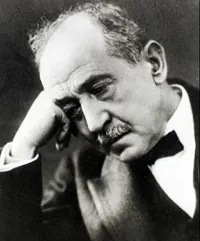 وطن جمالك فؤادي1926
Mohammed Abdel WahabMohammed Abdel Wahabأحمد شوقي
Mawwal
Details
- Music
- Words
- Sung by
- Genre ≠
- موالMawwalAlso given: دورDawr
- First line
- وطن جمالك فؤادى
1938first performed
ذاد الكرى عن مقلتيك حمامDhad al-kara1938
Riad al-SunbatiUmm Kulthumأحمد شوقي
QasidaOther
Dates
Details
- Music
- Words
- Sung by
- Genre
- قصيدةQasida2
- Medium
- Other
1939listed
أعلى الممالك ما كرسيه الماء1939
Mohammed Abdel WahabMohammed Abdel Wahabأحمد شوقي
Qasida
Dates
- Year in a list · Fathallah's list
- 19391
Details
- Music
- Words
- Sung by
- Genre
- قصيدةQasida
- First line
- أعلى الممالك ماكرسيه الماء
1940-10-10first performed
ابتغوا الشمسIbtaghu al-Shams1940
Riad al-SunbatiRiad al-Sunbatiأحمد شوقي
QasidaConcert
About the song
غنّى رياض السنباطي هذه القصيدة في احتفال أُقيم للدكتور علي باشا إبراهيم بحضور الملك فاروق، في 10 أكتوبر 1940.
Riyāḍ al-Sunbāṭī sang this poem at a celebration for Dr. ʻAlī Bāshā Ibrāhīm, attended by King Fārūq, on 10 October 1940.
Details
- Music
- Words ≠
- يرد اسم الشاعر الذي يذكره الكتاب مرةً محمد حسن إسماعيل ومرةً محمود حسن إسماعيل.The lyricist the book names is given both as Muḥammad Ḥasan Ismāʻīl and as Maḥmūd Ḥasan Ismāʻīl.
- Sung by
- Genre
- قصيدةQasida
- Film, play or occasion
- Concertcelebration for Dr. Ali Pasha Ibrahim, King Farouk present
- Medium
- Concert
1967listed
مسمع (قصيدة لأحمد شوقي)1967
Farid al-AtrashFarid al-Atrashأحمد شوقي
About the song
مقطع مسموع من نص لأحمد شوقي، من البرنامج الإذاعي «في يوم في شهر في سنة».
A recorded excerpt of a text by Aḥmad Shawqī, from the radio programme Fī yawm fī shahr fī sanah.
Dates
- Year in a list
- 19671
Details
- Music
- Words
- Sung by
- Film, play or occasion
أداري العيون الفاتراتUdari al-'Uyun al-Fatirat
Riad al-SunbatiRiad al-Sunbatiأحمد شوقي
QasidaRadio
Details
- Music
- Words
- Sung by
- Genre
- قصيدةQasida1
- Film, play or occasion
- RadioEgyptian Radio
- Medium
- Radio
مجنون ليلى (مشهد من الفصل الرابع)
Riad al-SunbatiSouad Mohamed & Adel Mamoun & Karem Mahmoud & Youssef Sabbaghأحمد شوقي
OperettaRadio
About the song
يمتد هذا المشهد من الفصل الرابع من «مجنون ليلى» لأحمد شوقي نحو 27 دقيقة. تؤدي سعاد محمد دور ليلى، وعادل مأمون دور قيس، وكارم محمود دور ورد، ويوسف الصباغ دور رفيق ورد. ونادرًا ما أُذيع في مصر، إن أُذيع أصلًا، لكن هيئة الإذاعة البريطانية في لندن أذاعته.
This scene from the fourth act of Aḥmad Shawqī's Majnūn Laylá runs about 27 minutes. Souad Mohamed sings Laylá, Adel Mamoun sings Qays, Karem Mahmoud sings Ward, and Youssef Sabbagh sings Ward's companion. It was rarely, if ever, broadcast in Egypt, but the BBC in London broadcast it.
Details
Not yet sorted
- composed early 1960s
مناجاة قيسMunajat Qays
Abdel Hamid Abdel RahmanNajat al-Saghiraأحمد شوقي
QasidaRadio
About the song
جمع حسني الحديدي أغاني أوبريت «مجنون ليلى»، ومنها «مناجاة قيس»، على شريط واحد في 14 أكتوبر 1954، فالتسجيل كان موجودًا في ذلك التاريخ.
Ḥusnī al-Ḥadīdī assembled the songs of the operetta Majnūn Laylá, among them «Munājāt Qays», onto a single tape on 14 October 1954. The recording therefore existed by that date.
Dates
Details
- Music
- Words
- Sung by
- Genre
- قصيدةQasida
- Film, play or occasion
- Medium
- Radio
Biography
وُلد أحمد شوقي في حي الحنفي بالقاهرة في 16 أكتوبر 1868، ويذكر أحد المصادر 17 أكتوبر ويذكر آخر عام 1869. وربّته جدته لأمه، وكانت وصيفة في قصر الخديوي إسماعيل، فنشأ معها في القصر.
التحق في الرابعة بكتّاب الشيخ صالح في السيدة زينب، ثم بمدرسة المبتديان. وفي عام 1885 دخل قسم الترجمة بمدرسة الحقوق. ثم أوفده الخديوي توفيق على نفقته لدراسة الحقوق في فرنسا، وهناك صادق مصطفى كامل وكتب مسرحيته الأولى «علي بك الكبير». وتؤرّخ المصادر عودته بعام 1891 أو 1893 أو 1894.
وصار شاعر القصر لدى الخديوي عباس حلمي الثاني حتى عام 1914. وفي ذلك العام، أو في 1915 في رواية أخرى، نفاه الإنجليز إلى إسبانيا. وعاد عام 1920 وبنى في الجيزة بيتًا سمّاه «كرمة ابن هانئ».
وفي عام 1924 سمع محمد عبد الوهاب يغنّي في حفل بالإسكندرية فتبنّاه نحو سبع سنوات، فأسكنه بيته وقدّمه إلى الأدباء والساسة. ولحّن عبد الوهاب قصائده ومونولوجاته ومواويله وغنّاها، ومنها «قلب بوادي الحمى» (1924) و«يا جارة الوادي» (1928). وفي 29 أبريل 1927 بايعه شعراء من البلاد العربية أميرًا للشعراء في القاهرة. ثم انصرف إلى المسرح الشعري، فكتب «مصرع كليوباترا» (1927) و«مجنون ليلى» و«قمبيز» (1931).
ونحو عام 1932 دعا أم كلثوم إلى الغناء في كرمة ابن هانئ وأرسل إليها قصيدة. وتوفي فجأة في 14 أكتوبر 1932 بعد أن أتمّ قصيدة طويلة في تأييد «مشروع القرش» الذي أطلقه شباب مصر. وتذكر بعض المصادر 23 أكتوبر، ويجعل أحدها وفاته في الجيزة لا في القاهرة.
يزيد شعره على 23500 بيت، جُمع كثير منه في «الشوقيات» بأجزائها الأربعة. وظلّ عبد الوهاب يغنّي من شعره بعد وفاته، ومن ذلك «جبل التوباد» (1951)، وغنّت أم كلثوم عشرًا من قصائده كلها من ألحان رياض السنباطي، منها «سلوا قلبي» و«نهج البردة» (1946). وأصدرت مصر عام 1957 طابع بريد في الذكرى الخامسة والعشرين لوفاته، وأقامت له الحكومة الإيطالية تمثالًا في حدائق فيلا بورغيزي في روما عام 1962، وافتُتحت كرمة ابن هانئ متحفًا باسم أحمد شوقي عام 1977.
Aḥmad Shawqī was born in the al-Ḥanafī quarter of Cairo on 16 October 1868; one source gives 17 October and another 1869. His maternal grandmother, a lady-in-waiting at the palace of Khedive Ismāʻīl, raised him, and he grew up with her in the palace.
From the age of four he attended the kuttāb of Shaykh Ṣāliḥ in al-Sayyidah Zaynab and then the al-Mubtadayān school. In 1885 he entered the translation section of the School of Law. Khedive Tawfīq then paid for him to study law in France, where he befriended Muṣṭafá Kāmil and wrote his first play, ʻAlī Bak al-Kabīr. Sources date his return to 1891, 1893 or 1894.
He became court poet of Khedive ʻAbbās Ḥilmī II, a post he held until 1914. That year, or in 1915 by one account, the British exiled him to Spain. He returned in 1920 and built a house in Giza, Karmat Ibn Hāniʼ.
In 1924 he heard Muḥammad ʻAbd al-Wahhāb sing at a concert in Alexandria and took him as a protégé for about seven years, housing him and introducing him to writers and politicians. ʻAbd al-Wahhāb set and sang his qasidas, monologues and mawwāls, among them “Qalb bi-wādī al-ḥimá” (1924) and “Yā jārat al-wādī” (1928). On 29 April 1927, in Cairo, poets from Arab countries proclaimed him Amīr al-Shuʻarāʼ, Prince of Poets. He then turned to verse drama: Maṣraʻ Kilyūbātrā (1927), Majnūn Laylá and Qambīz (1931).
Around 1932 he invited Umm Kulthūm to sing at Karmat Ibn Hāniʼ and sent her a poem. He died suddenly on 14 October 1932, after finishing a long poem in support of the Piastre Project launched by Egyptian youth. Some sources give 23 October, and one places his death in Giza rather than Cairo.
His verse exceeds 23,500 lines, much of it collected in the four volumes of al-Shawqīyāt. ʻAbd al-Wahhāb went on singing his poems, including “Jabal al-Tawbād” (1951), and Umm Kulthūm sang ten of them, all set by Riyāḍ al-Sunbāṭī, among them “Salū qalbī” and “Nahj al-Burdah” (1946). Egypt issued a stamp for the 25th anniversary of his death in 1957, the Italian government commissioned a statue of him for the Villa Borghese gardens in Rome in 1962, and Karmat Ibn Hāniʼ opened as the Aḥmad Shawqī Museum in 1977.
The facts and their sources
Life
- Born 16 October 1868, al-Hanafi quarter, Cairo, Egypt[1,4]
- Died 14 October 1932, Cairo, Egypt[1,3,4,5]
- Full name Ahmad Shawqi Ali Ahmad Shawqi (Arabic Wikipedia); Egyptian Arabic Wikipedia gives 'Ali Ahmad Shawqi Bey'.[1,2]
- His paternal grandfather came to Egypt with a recommendation from Ahmad Pasha al-Jazzar to Muhammad Ali Pasha and was later appointed head of Egyptian customs by Said Pasha.[1,3]
- His maternal grandmother, a lady-in-waiting at the palace of Khedive Ismail, raised him and he grew up with her in the palace.[1,4]
- c. 1872 — Kuttab of Sheikh Saleh (Sayyida Zeinab) from age four; memorised part of the Quran.[1,3,4]
- al-Mubtadayan primary school; exempted from fees for his results.[1,4]
- 1885 — School of Law, translation section (taught by Sheikh Muhammad al-Basyuni).[1,4]
- 1887–1891 (Al Jazeera); three years, return 18 July 1893 (Egyptian Arabic Wikipedia); return 1894 (English Wikipedia) — Studied law in France (Montpellier, then Paris) at the expense of Khedive Tawfiq; during the mission he co-founded the Egyptian Progress Society (جمعية التقدم المصري) and befriended Mostafa Kamel.[1,2,3,4]
Career
- 1890s–1914 — Court poet of Khedive Abbas Hilmi II; head of the European-language office (القلم الإفرنجي) in the Khedive's diwan.[1,3,4]
- 1893 — Wrote his first play, علي بك الكبير ('Ali Bey al-Kabir), while in France; he did not publish it at the time.[1,2]
- 1896 — Represented the Egyptian government at the Orientalists' Congress in Geneva.[3,4]
- 1914/1915–1920 — Exiled by the British to Spain (Andalusia, Barcelona); returned to Egypt in 1920.[1,2,3,4]
- 1920s — After returning built a house in Giza, Karmat Iban Hani (كرمة ابن هانئ), which became the Ahmed Shawqi Museum on 17 June 1977.[2,3]
- 1924 — Beginning of his association with Mohammed Abdel Wahab, after Abdel Wahab sang the muwashshah ملأ الكاسات at the Oriental Music Club concert at the San Stefano hotel in Alexandria; Shawqi took him as protégé, gave him a suite in his house, hired a French tutor, and introduced him to writers and politicians. The arrangement lasted about seven years.[3,6,7]
- 1927-04-29 — Proclaimed Prince of Poets (أمير الشعراء) at a festival at the old Cairo Opera House attended by poets from Arab countries; Hafez Ibrahim recited a poem of allegiance.[1,3,4]
- 1927–1932 — Devoted himself to verse drama: مصرع كليوباترا (1927), مجنون ليلى, قمبيز (1931), عنترة, revised علي بك الكبير, the prose play أميرة الأندلس, and the comedies الست هدى and البخيلة.[1,3,4]
- 1924–1953 — Mohammed Abdel Wahab set and sang his qasidas, monologues, mawawil, a dawr and a taqtuqa (see collaborations); songs on his verse continued after Shawqi's death, e.g. دمشق (1943), مضناك جفاه مرقده (1949), جبل التوباد (1951), مقادير من جفنيك (1953).[1,6,7]
- 1932 — Around 1932 he invited Umm Kulthum to sing at Karmat Ibn Hani and sent her a poem.[8]
- 1935–1951 — After his death Umm Kulthum sang ten of his poems, all set by Riad al-Sunbati, among them سلوا كؤوس الطلا (1935/1936), سلوا قلبي (1946), نهج البردة (1946), النيل (1948), ولد الهدى (1949), إلى عرفات الله (1951).[8,9]
Singers and composers
- Mohammed Abdel Wahab (composer and singer): قلب بوادي الحمى (Qalbun bi-wadi al-hima) (1924, qasida), منى روحي (Muna ruhi) (1924, qasida), قلبي غدر بي (Albi ghadar bi) (1924, mawwal), دار البشاير (Dar al-bashayir) (1924, taqtuqa, for the wedding of Shawqi's son), سيد القمر في سماه (Sayyid al-qamar fi samah) (1925, mawwal), يا ليلة الوصل استني (Ya leilat al-wasl istanni) (1926, dawr), وطن جمالك فؤادي (Watan gamalak fu'adi) (1926, mawwal), خدعوها بقولهم حسناء (Khada'uha bi-qawlihim hasna') (1927), أنا أنطونيو (Ana Antonio) (1927), اللي يحب الجمال (Elli yhebb al-gamal) (1927, monologue), الليل بدموعه جاني (al-Leil bi-dmu'u gani) (1927, monologue), شبكتي قلبي يا عين (Shabakti albi ya 'ein) (1927, monologue), ردت الروح على المضنى معك (Raddat al-ruhu 'ala al-mudna ma'ak) (1928), يا جارة الوادي (Ya garat al-wadi) (1928), دمشق كان يوم مقدر (Dimashq kan yawm muqaddar) (1928, mawwal), الروح ملك يمينه / يا ناعما رقدت جفونه (Ya na'iman raqadat jufunuh) (1929), إن قلبي لمخبري (Inna qalbi la-mukhbiri) (1930, from مجنون ليلى), تلفتت ظبية الوادي (Talaffatat zabyat al-wadi) (1930), بلبل حيران (Bulbul hayran) (1930, monologue), علموه كيف يجفو ('Allamuhu kayfa yajfu) (1932), في الليل لما خلي (Fil-leil lamma khili) (1932, monologue), النيل نجاشي (al-Nil nagashi) (1933, monologue), يا شراعا وراء دجلة (Ya shira'an wara' Dijla) (1933, for the anniversary of King Faisal I of Iraq), سجى الليل (Saga al-leil) (1940, film يوم سعيد, from مجنون ليلى), دمشق — سلام من صبا بردى (Salamun min saba Barada) (1943), السودان — إلام الخلف بينكم (Ilama al-khulfu baynakum) (1945), مضناك جفاه مرقده (Mudnaka gafahu marqaduh) (1949), جبل التوباد (Gabal al-Tawbad) (1951), مقادير من جفنيك (Maqadirun min jafnayki) (1953)[1,5,6,7]
- Umm Kulthum (singer): سلوا كؤوس الطلا (Salu ku'us al-tila) (sung 1935, recorded 1936), أعيد الدهر (A'id al-dahr) (1936), سلوا قلبي (Salu qalbi) (1946), نهج البردة (Nahj al-Burda) (1946), النيل (al-Nil) (1948), ولد الهدى (Wulida al-huda) (1949), إلى عرفات الله (Ila 'Arafat Allah) (1951; filmed 1963), الملك بين يديك (al-Mulk bayna yadayk), مقادير من جفنيك — verses (Maqadirun min jafnayki)[1,6,8,9]
- Riad al-Sunbati (composer): سلوا كؤوس الطلا, أعيد الدهر, سلوا قلبي, نهج البردة, النيل, ولد الهدى, إلى عرفات الله[8,9]
- Fairuz, Nour al-Houda (singer): يا جارة الوادي (Ya garat al-wadi)[6]
Other works
- poetry collection: الشوقيات (al-Shawqiyyat), 4 volumes (vol. 1 reprinted 1925; vol. 2 1930; vol. 3 1936; vol. 4 1943)[1,3,4]
- poetry collection: الشوقيات المجهولة (al-Shawqiyyat al-majhula), 2 volumes, compiled by Muhammad al-Sirbuni[1,4]
- long poem: دول العرب وعظماء الإسلام (Duwal al-'Arab wa-'uzama' al-Islam), 1,726 verses, written in exile (published posthumously)[1,4]
- play: مصرع كليوباترا (Masra' Kliyubatra) (1927)[1,2]
- play: مجنون ليلى (Majnun Layla) (1932 (per Arabic Wikipedia))[1,3]
- play: قمبيز (Qambiz) (1931)[1,3]
- play: علي بك الكبير ('Ali Bey al-Kabir) (1893, revised 1932)[1,2]
- play: عنترة ('Antara) (1932)[1]
- play: أميرة الأندلس (Amirat al-Andalus), prose (1932)[1,2]
- play: الست هدى (al-Sitt Huda); البخيلة (al-Bakhila); شريعة الغاب (Shari'at al-ghab)[1,3,4]
- novel: عذراء الهند ('Adhra' al-Hind) (1897)[1]
- novel: لادياس (Ladyas); دل وتيمان (Dal wa-Tayman) (1899)[1]
- novel: شيطان بنتاؤور (Shaytan Bintawur) (1901)[1]
- novel: ورقة الآس (Waraqat al-as) (1904)[1]
- prose: أسواق الذهب (Aswaq al-dhahab), social essays (1932)[1,3,4]
Honours
- 1927 — Proclaimed Prince of Poets (أمير الشعراء) by Arab poets in Cairo.[1,3,4]
- Member of the Arab Academy of Damascus.[1]
- 1957 — Egyptian postage stamp marking 25 years since his death.[3]
- 1962 — Statue in the Villa Borghese gardens, Rome, commissioned by the Italian government.[2,3]
- 1977 — Karmat Iban Hani in Giza opened as the Ahmed Shawqi Museum.[2,3]
Output, as the sources state it
- His poetic output exceeds 23,500 verses.[1]
- Umm Kulthum sang ten of his poems after his death, all set by al-Sunbati.[8]
- نهج البردة has 190 verses, of which Umm Kulthum sang 30; ولد الهدى has 129 verses, of which she sang 34.[8]
- إلى عرفات الله has 63 verses; Ahmed Rami reduced it to 25 for Umm Kulthum.[9]
Where the sources disagree
- born.date: 1868-10-16 (29 Jumada II 1285)[1] · 1868-10-16 (given as 20 Rajab 1287)[4] · 1868-10-17[3] · 1869[2]
- died.date: 1932-10-14[1,3,4,8] · 1932-10-23 (infobox)[1,2]
- died.place: Cairo[1,3] · Giza[2]
- career (exile start): 1914[2,3,4] · 1915[1]
- career (return from exile): 1920[1,2,3] · about four years after 1914 (implied 1918)[4]
- education (return from France): 1891[4] · 18 July 1893[2] · 1894[3]
- collaborations (إلى عرفات الله year): 1951[8,9] · 1969 (stated as last of the ten songs in the same article)[8]
Sources
- أحمد شوقي — ويكيبيديا
- احمد شوقى — ويكيبيديا مصرى
- Ahmed Shawqi — Wikipedia
- أحمد شوقي — الموسوعة، الجزيرة نت، 4 ديسمبر 2014
- عمرو عطا الله، 121 عاما على ميلاد النهر الخالد وموسيقار الأجيال محمد عبدالوهاب — البوابة نيوز، 13 مارس 2023
- اللائحة الكاملة لأعمال محمد عبد الوهاب الغنائية مرتبة ترتيبا زمنيا ونوعيا (PDF, Hunter College site of Saad)
- أحمد إبراهيم الشريف، فى ذكرى رحيله.. بالأسماء شعراء كتبوا القصيدة فى حياة موسيقار الأجيال — اليوم السابع، 4 مايو 2017
- إبراهيم خليل إبراهيم، أم كلثوم زعيمة غناء القصائد — ديوان العرب
- عاطف النمر، كنوز: إلى عرفات الله يا خير زائر — بوابة أخبار اليوم، 6 يوليو 2022
Every work is placed on the timeline at the earliest date found for it. Under each date a word says what happened then: recorded, film premiere, first performed, performed, released, reissued (a release after the performers' death), composed, or listed (a year in a published works list). Works with no date come last.
The colors group the works by category, and the buttons below the chart filter by it.
Select a row to hear it in the player; press Details for every date, the conflicts between sources, and the links behind them. The ↑ and ↓ keys move through the list. Titles are given in their original Arabic, with a transliteration beside them.
يوضع كل عمل على الخط الزمني عند أبكر نقطة معروفة كان موجودًا فيها: التلحين، أو أول أداء أو بث، أو العرض الأول للفيلم، أو التسجيل، أو الأسطوانة الأصلية. ويُحفظ كل نوع من التواريخ على حدة.
لا تُعدّ إعادة الإصدار أو المختارات ظهورًا أولًا أبدًا؛ وحين تكون الدليل المؤرَّخ الوحيد، يشير السطر إلى «حتى» تلك السنة. ويُعامَل بالطريقة نفسها أداءٌ مؤرَّخ لا يذكر أي مصدر أنه كان الأول.
الأعمال المؤرَّخة فقط بسنة وردت في قائمة منشورة تُبيّن ذلك، والأعمال التي لا تاريخ لها إطلاقًا تأتي في النهاية. الألوان تجمع الأعمال بحسب الفئة، والأزرار تحت الرسم البياني تصفّي بحسبها.
اختر سطرًا لسماعه في المشغّل، واضغط «التفاصيل» لكل تاريخ وللتعارضات بين المصادر وللروابط التي تقف خلفها. المفتاحان ↑ و↓ ينتقلان عبر القائمة. وتُعرض العناوين بلغتها العربية الأصلية، وإلى جانبها كتابتها بحروف لاتينية أو عبرية.