علي بن علي الآنسيAli bin Ali al-Ansi
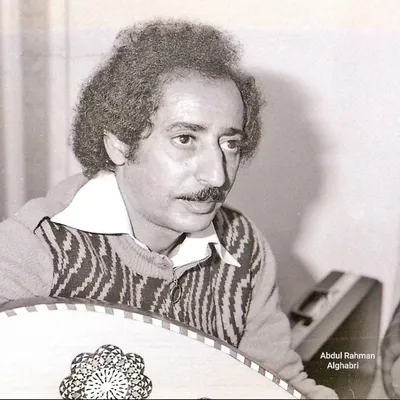 SanaaYemen
Works per decade · click a bar to filter
1961recorded يا ليل هل أشكوYa layl hal ashku1961
Ali bin Ali al-AnsiAli bin Ali al-Ansi & Abu Bakr Salem Balfaqihعلي بن علي صبرة
Song78 rpm disc · Other
About the song
غنّاها علي بن علي الآنسي في مجلس بتعز عام 1961، وسُجّلت يومها على شريط بكرة. ثم غنّاها أبو بكر سالم بلفقيه وسجّلها مع فرقة موسيقية في بيروت مطلع عام 1962، فلاقت أسطواناتها رواجًا في اليمن والسعودية، وتُعدّ أول أعماله في اللون الصنعاني.
ʻAlī ibn ʻAlī al-Ānisī sang it at a gathering in Taʻizz in 1961, where it was recorded on reel tape. Abū Bakr Sālim Balfaqīh then sang it and recorded it with an orchestra in Beirut in early 1962; the discs sold well in Yemen and Saudi Arabia, and it is counted as his first work in the Ṣanʻānī style.
Also listed as: ياليل هل5 · يا ليل هل أشكي
Dates
Details
- Music
- Words
- Sung by ≠
- Genre ≠
- أغنيةSong
- Medium
- 78 rpm disc · Other
- Releases
- Beirut recording by Abu Bakr Salem Balfaqih with orchestra, early 1962; private reel recording, Taiz 1961 78 rpm disc
On YouTube
1964composed آنستنا يا عيد (اضحك على الأيام)Anastana ya ʿid (Idhak ʿala al-ayyam)1964
Ali bin Ali al-AnsiAli bin Ali al-Ansiعباس محمد المطاع
Song · BayatiRadio
About the song
كتبها عباس محمد المطاع ولحّنها علي بن علي الآنسي في آخر ليلة من رمضان حين جاء الخبر بأن الغد عيد، وبثّتها إذاعة صنعاء في الليلة نفسها. غنّى الآنسي القصيدة الطويلة كاملة تلك الليلة، ثم اختار منها المقاطع التي تلائم اللحن، وسُجّلت في بيت العائلة بحارة الباشا في صنعاء القديمة مع جوقة من الأصدقاء، ولحّنها بلحنين مختلفين. وصارت الأغنية الرسمية لعيدَي اليمن.
ʻAbbās Muḥammad al-Muṭāʻ wrote it and ʻAlī ibn ʻAlī al-Ānisī set it on the last night of Ramadan, when word came that the next day was Eid, and Radio Ṣanʻāʼ broadcast it the same night. Al-Ānisī sang the whole long poem that night and later kept the stanzas that suit the melody; it was recorded at the family house in Ḥārat al-Bāshā in Old Ṣanʻāʼ with a chorus of friends, and he set it to two different melodies. It became the official song of Yemen for both Eids.
Details
Not yet sorted
- (there 'Muhsin al-Jabri')
On YouTube
Sources
- doc.aljazeera.net/art-and-youth/2022/5/1/آنستنا-يا-عيد-أغنية-تعطر-ذاكرة-الأجيا
- belqees.net/articles/انستنا-يا-عيدوسر-الاغنية-التي-لا-تغيب
- arabuart.com/?p=16140
- doc.aljazeera.net/art-and-youth/2022/5/1/آنستنا-يا-عيد-أغنية-تعطر-ذاكرة-الأجيا
- yemenfuture.net/art/8109
- music.yemenarchive.com/songs/آنستنا-يا-عيد/
- music.yemenarchive.com/songs/آنستنا-يا-عيد/
- علي بن علي الآنسي
- yemenfuture.net/art/8109
 آنست يا حاليAnast ya hali
Ali bin Ali al-AnsiAyoub Tarish Absiعلي بن علي صبرة
Song
About the song
أغنية صنعانية من أشهر أغاني علي بن علي الآنسي، ومن أبرز أعمال تعاونه مع علي بن علي صبرة. وغنّاها أيضًا أيوب طارش عبسي وفؤاد الكبسي ونادر الجرادي.
A Ṣanʻānī song, one of the best-known songs of ʻAlī ibn ʻAlī al-Ānisī and a main work of his collaboration with ʻAlī ibn ʻAlī Ṣabrah. Ayyūb Ṭārish ʻAbsī, Fuʼād al-Kibsī and Nādir al-Jarādī also sang it.
Details
On YouTube
 أشكو منAshku min
Ali bin Ali al-Ansi
Song
About the song
Also listed as: اشكو من البين2
Details
- Sung by
- Genre
- أغنيةSong
On YouTube
 أهلاً بمن داس العذول وأقبلAhlan bi-man das al-ʿadhul wa-aqbal
Ali bin Ali al-Ansiعلي بن علي صبرة
Song
About the song
من أوائل أغاني الشاعر علي بن علي صبرة وعلي بن علي الآنسي. انتشرت أولًا بصوتَي بنت شريان وفاطمة الأصبحي، ثم بصوت الآنسي. وتناولها بعد ذلك مطربون كثيرون، أولهم محمد مرشد ناجي بلحن من وضعه، ومنهم أيضًا أيوب طارش عبسي وأحمد السنيدار وفؤاد الكبسي.
An early song of the poet ʻAlī ibn ʻAlī Ṣabrah and ʻAlī ibn ʻAlī al-Ānisī. It first spread in the voices of Bint Shiryān and Fāṭimah al-Aṣbaḥī, then in al-Ānisī's voice. Many singers took it up afterwards, first Muḥammad Murshid Nājī with a melody of his own, and also Ayyūb Ṭārish ʻAbsī, Ahmed al-Sunaidar and Fuʼād al-Kibsī.
Details
Not yet sorted
- spread in the late 1950s
On YouTube
 اتركوني مع الهوىUtrukuni maʿa al-hawa
Ali bin Ali al-Ansi
Song
Details
- Sung by
- Genre
- أغنيةSong
On YouTube
 الحب والبن (طاب اللقا والسمر / يا حارس البن)al-Hubb wa-l-bunn
Ali bin Ali al-AnsiAli bin Ali al-Ansiمطهر الإرياني
Song
About the song
من أشهر أغاني علي بن علي الآنسي، لحّنها وغنّاها ثم غنّاها غيره من بعده. وتُعرف بالبيت «يا حارس البن بشراك موسم البن داني».
One of ʻAlī ibn ʻAlī al-Ānisī's best-known songs, which he composed and sang and which other singers took up after him. It is known by the line «Yā ḥāris al-bunn bushrāk mawsim al-bunn dānī».
Details
On YouTube
 اليوم يا تاريخ قفal-Yawm ya tarikh qif
Ali bin Ali al-Ansiعبد الله البردوني
Anthem / nashid
About the song
من أبرز أغاني علي بن علي الآنسي الوطنية، من كلمات عبد الله البردوني.
One of the main patriotic songs of ʻAlī ibn ʻAlī al-Ānisī, with words by ʻAbd Allāh al-Bardūnī.
Details
On YouTube
Sources
 تعيش أنت وتبقىTaʿish anta wa-tabqa
Ali bin Ali al-Ansi
SongOther · Radio
About the song
سجّلها علي بن علي الآنسي في بيروت مع فرقة الأخوين رحباني، ضمن عشر أغانٍ أُنتجت لشركة أهازيج وأغاريد صنعاء، ثم سُلّمت التسجيلات إلى إذاعة صنعاء التي أكثرت من بثّها. وأسهم السفير اليمني في بيروت أحمد جابر عفيف في ترتيب جلسات التسجيل.
ʻAlī ibn ʻAlī al-Ānisī recorded it in Beirut with the ensemble of the Raḥbānī brothers, one of ten songs made for the company Ahāzīj wa-Aghārīd Ṣanʻāʼ; the recordings were given to Radio Ṣanʻāʼ, which broadcast them often. The Yemeni ambassador in Beirut, Aḥmad Jābir ʻAfīf, helped arrange the sessions.
Details
- Sung by
- Musicians
- Genre
- أغنيةSong
- Film, play or occasion
- Medium
- Other · Radio
Not yet sorted
- the company closed in 1970 when cassettes ended the disc market
On YouTube
Sources
 خطر غصن القناKhatar ghusn al-qana
Ali bin Ali al-AnsiAyoub Tarish Absiمطهر الإرياني
Song
About the song
من كلمات مطهر الإرياني ولحن علي بن علي الآنسي، وتحكي قصة الدودحية في وادي بنا. وهي من أشهر أغاني الآنسي. غنّاها أيوب طارش عبسي بعد الآنسي، ثم أدّاها كثير من المطربين بعدهما، منهم فؤاد الكبسي وفرقة الإنشاد اليمنية وفؤاد عبد الواحد.
Words by Muṭahhar al-Iryānī to a melody by ʻAlī ibn ʻAlī al-Ānisī; the song tells the story of al-Dūdaḥīyah of Wādī Banā. It is one of al-Ānisī's best-known songs. Ayyūb Ṭārish ʻAbsī sang it after al-Ānisī, and many later singers took it up, among them Fuʼād al-Kibsī, Firqat al-Inshād al-Yamanīyah and Fuʼād ʻAbd al-Wāḥid.
Details
Not yet sorted
- The 1994 Najiba cassette (13 June Corp. J008) also has a version (track B2, credited traditional).
On YouTube
 عند ابن عباسʿInd Ibn ʿAbbas
Ali bin Ali al-AnsiAli bin Ali al-Ansiعلي بن علي صبرة
Song
Details
On YouTube
 فلت يد المخلوقFallat yad al-makhluq
Ali bin Ali al-AnsiAli bin Ali al-Ansiعلي بن علي الآنسي
Song
About the song
من أشهر أغاني علي بن علي الآنسي، وهي من كلماته وألحانه.
One of ʻAlī ibn ʻAlī al-Ānisī's best-known songs, with words and music of his own.
Details
- Music
- Words
- Sung by
- Genre
- أغنيةSong
On YouTube
Sources
 في ظل راية ثورتيFi zill rayat thawrati
Ali bin Ali al-AnsiAli bin Ali al-Ansiأحمد العماري
Anthem / nashidOther · Radio
About the song
سجّل علي بن علي الآنسي هذا النشيد في بيروت مع فرقة الأخوين رحباني، ضمن عشر أغانٍ أُنتجت لشركة أهازيج وأغاريد صنعاء، ثم سُلّمت التسجيلات إلى إذاعة صنعاء التي أكثرت من بثّها. وقد أسهم السفير اليمني في بيروت أحمد جابر عفيف في ترتيب جلسات التسجيل. واعتُمد عام 1978 نشيدًا وطنيًا للجمهورية العربية اليمنية، وظلّ نشيدها الوطني حتى عام 1990.
ʻAlī ibn ʻAlī al-Ānisī recorded this anthem in Beirut with the ensemble of the Raḥbānī brothers, one of ten songs made for the company Ahāzīj wa-Aghārīd Ṣanʻāʼ; the recordings were given to Radio Ṣanʻāʼ, which broadcast them often. The Yemeni ambassador in Beirut, Aḥmad Jābir ʻAfīf, helped arrange the sessions. It was adopted in 1978 as the national anthem of the Yemen Arab Republic and served as the anthem until 1990.
Dates
Details
- Music
- Words
- أحمد العماريAhmed al-Amari1
- Sung by
- Musicians
- Genre
- Film, play or occasion
- Other · RadioBeirut sessions with the Rahbani brothers' ensemble for شركة أهازيج وأغاريد صنعاء (after 1966)given to Radio Sanaanational anthem of the Yemen Arab Republic
- Medium
- Other · Radio
Not yet sorted
- the company closed in 1970 when cassettes ended the disc market
On YouTube
 كم لقلبي معذبKam li-qalbi muʿadhdhib
Ali bin Ali al-Ansi
Song
Details
- Sung by
- Genre
- أغنيةSong
On YouTube
 لا تجرحي حبيLa tajrahi hubbi
Ali bin Ali al-Ansi
SongOther · Radio
About the song
سجّل علي بن علي الآنسي هذه الأغنية في بيروت مع فرقة الأخوين رحباني، ضمن عشر أغانٍ أُنتجت لشركة أهازيج وأغاريد صنعاء، ثم سُلّمت التسجيلات إلى إذاعة صنعاء التي أكثرت من بثّها. وقد أسهم السفير اليمني في بيروت أحمد جابر عفيف في ترتيب جلسات التسجيل.
ʻAlī ibn ʻAlī al-Ānisī recorded this song in Beirut with the ensemble of the Raḥbānī brothers, one of ten songs made for the company Ahāzīj wa-Aghārīd Ṣanʻāʼ; the recordings were given to Radio Ṣanʻāʼ, which broadcast them often. The Yemeni ambassador in Beirut, Aḥmad Jābir ʻAfīf, helped arrange the sessions.
Details
- Sung by
- Musicians
- Genre
- أغنيةSong
- Film, play or occasion
- Medium
- Other · Radio
Not yet sorted
- the company closed in 1970 when cassettes ended the disc market
On YouTube
Sources
 لا تذكرينيLa tadhkurini
Ali bin Ali al-Ansi
Song
Details
- Sung by
- Genre
- أغنيةSong
On YouTube
 ممشوق القوامMamshuq al-qawam
Ali bin Ali al-AnsiAli bin Ali al-Ansiعلي العنسي
Song
About the song
من أشهر أغاني علي بن علي الآنسي.
One of ʻAlī ibn ʻAlī al-Ānisī's best-known songs.
Details
On YouTube
 وقف وودعWaqaf wa-waddaʿ
Ali bin Ali al-AnsiAli bin Ali al-Ansiمطهر الإرياني
Song
About the song
من أشهر أغاني علي بن علي الآنسي، وغنّاها أيضًا أحمد الحبيشي وحسين محب وحمود السمة.
One of the best-known songs of ʻAlī ibn ʻAlī al-Ānisī; Aḥmad al-Ḥubayshī, Ḥusayn Muḥib and Ḥammūd al-Simmah also sang it.
Details
 يا بروحي من الغيدYa bi-ruhi min al-ghid
Ali bin Ali al-Ansi
Song
Details
- Sung by
- Genre
- أغنيةSong
On YouTube
 يا ربة الصوت الرخيمYa rabbat al-sawt al-rakhim
traditional melody developed by al-Ansi; Yemen ArchiveAli bin Ali al-Ansiعبد الرحمن بن يحيى الأنسي
Song
About the song
لحن يمني تراثي طوّره علي بن علي الآنسي. وقد غنّاها علي أحمد الخضر في مجلس بتعز عام 1961.
A traditional Yemeni melody that ʻAlī ibn ʻAlī al-Ānisī developed. ʻAlī Aḥmad al-Khiḍr sang it at a gathering in Taʻizz in 1961.
Dates
- Other date
- 19613غنّاها علي أحمد الخضر في مجلس بتعزʻAlī Aḥmad al-Khiḍr sang it at a gathering in Taʻizz
Details
On YouTube
 يا عيباهYa ʿaybah
Ali bin Ali al-AnsiAli bin Ali al-Ansiعلي بن علي الآنسي
Song
Details
- Music
- Words
- Sung by
- Genre
- أغنيةSong
On YouTube
 يا عيوني اسكبيYa ʿuyuni uskubi
Ali bin Ali al-Ansiعلي بن علي صبرة
Song
Details
- Words
- Sung by
- Genre
- أغنيةSong
On YouTube
Sources
- peacehorizons.net/?p=8515
- al-Thawrah
 يا مطلYa mutill
Ali bin Ali al-Ansi
Song
Details
- Sung by
- Genre
- أغنيةSong
On YouTube
 يا ويح قلبيYa wayh qalbi
Ali bin Ali al-Ansiعلي بن علي صبرة
Song
About the song
Also listed as: يا ويح قلبي من عيونك السود2
Details
- Words
- Sung by
- Genre
- أغنيةSong
On YouTube
 أخاطب البرقUkhatib al-barq
Ali bin Ali al-Ansi
Song
Details
- Sung by
- Genre
- أغنيةSong
Sources
أشهدوا لي على الأخضرIshhadu li ʿala al-akhdar
Mohammed Saleh HamshariAli bin Ali al-Ansi
Song
About the song
أغنية عدنية لمحمد صالح همشري أخذها علي بن علي الآنسي في زيارته الأولى لعدن عام 1961 وكثيرًا ما غنّاها. ثم سجّلها علي عبد الله السمه في إذاعة صنعاء بعنوان «أشهدوا لي على الأسمر».
A song from Aden by Mohammed Saleh Hamshari that ʻAlī ibn ʻAlī al-Ānisī took up on his first visit to Aden in 1961 and often sang. ʻAlī ʻAbd Allāh al-Simmah later recorded it at Radio Ṣanʻāʼ as «Ashhadū lī ʻalá al-asmar».
Dates
Details
- Music
- Sung by
- Also sung by
- Genre
- أغنيةSong
أغار على خدك من لمس كفكAgharu ʿala khaddik min lams kaffik
Ali bin Ali al-AnsiAli bin Ali al-Ansiعلي بن علي صبرة
Song
Details
ألا فانا كسير الماسAla fa-ana kasir al-mas
Ali bin Ali al-Ansi
Song
About the song
Also listed as: ألا فانا كسيرك الماس2
Details
- Sung by
- Genre
- أغنيةSong
ألو ألوAlo alo
Ali bin Ali al-Ansiعلي بن علي صبرة; per al-Mahriah
Song
About the song
لم يتأكد أن قصيدة صبرة المدرجة بعنوان «ألوه.. ألوه من الذي تكلم» هي هذه الأغنية.It is not confirmed that the Ṣabrah poem listed as «Alūh.. alūh man alladhī takallam» is this song.
Also listed as: ألوه.. ألوه من الذي تكلم2
Details
- Words
- يستند اسم الشاعر إلى قائمة قد يكون عنوانها لأغنية أخرى.The lyricist rests on a list whose title may belong to another song.
- Sung by
- Genre
- أغنيةSong
أنا الشعب يا فندمAna al-shaʿb ya fandam
Ali bin Ali al-AnsiAli bin Ali al-Ansiمحمد عبد الله قطينة
Anthem / nashid
أهلاً وسهلاً روح داخل الروحAhlan wa sahlan ruh dakhil al-ruh
traditional; Yemen ArchiveAli bin Ali al-Ansiعلي بن علي صبرة
Song
أهيم من البيتAhim min al-bayt
Ali bin Ali al-Ansi
Song
Details
- Sung by
- Genre
- أغنيةSong
Sources
الله من ليلهAllah min laylah
Ali bin Ali al-Ansiعلي بن علي صبرة
Song
Details
- Words
- Sung by
- Genre
- أغنيةSong
Sources
- peacehorizons.net/?p=8515
- al-Thawrah
الهجر والبعادal-Hajr wa-l-buʿad
Ali bin Ali al-Ansi
Song
Details
- Sung by
- Genre
- أغنيةSong
باسم هذا الترابBismi hadha al-turab
Hassan AttaAli bin Ali al-Ansiصالح نصيب
Anthem / nashidRadio · Concert
About the song
أغنية لفنانَين من لحج، قُدّمت أول مرة عام 1958 في حفل كبير في دار سعد لصالح الثورة الجزائرية. تعلّمها علي بن علي الآنسي في تعز عام 1961 وغنّاها عند قيام ثورة 26 سبتمبر 1962، واستدعاه الإمام أحمد بسببها، وبعد تسجيلها في إذاعة صنعاء صارت نشيد الطابور المدرسي الصباحي حتى اعتماد النشيد الوطني للجمهورية العربية اليمنية. وفي عام 1963 غنّاها الآنسي لمحمد عبد الوهاب في مستشفى بالقاهرة.
A song by two artists from Laḥj, first performed in 1958 at a large concert at Dār Saʻd for the benefit of the Algerian revolution. ʻAlī ibn ʻAlī al-Ānisī learned it in Taʻizz in 1961 and sang it at the outbreak of the revolution of 26 September 1962, and Imām Aḥmad summoned him over it; after it was recorded at Radio Ṣanʻāʼ it served as the school morning anthem until the national anthem of the Yemen Arab Republic. In 1963 al-Ānisī sang it for Muḥammad ʻAbd al-Wahhāb in a Cairo hospital.
Dates
- First performance or broadcast
- 19583حفل كبير في دار سعد لصالح الثورة الجزائريةa large concert at Dār Saʻd for the benefit of the Algerian revolution
- Other date
- 19613تعلّمها الآنسي في مجلس بتعز غنّاها فيه أحمد يوسف الزبيديal-Ānisī learned it at a gathering in Taʻizz where Aḥmad Yūsuf al-Zubaydī sang it
- Other date
- 1962-09-263غنّاها الآنسي عند قيام الثورةal-Ānisī sang it at the outbreak of the revolution
- Other date
- 196356غنّاها الآنسي لمحمد عبد الوهاب في مستشفى بالقاهرةal-Ānisī sang it for Muḥammad ʻAbd al-Wahhāb in a Cairo hospital
Details
Not yet sorted
- he took it from Fadl Muhammad al-Lahji
جوب ببسمةJawwib bi-basma
Ali bin Ali al-Ansi
Song
Details
- Sung by
- Genre
- أغنيةSong
Sources
جيشنا يا جيشناJayshuna ya jayshuna
Ali Ahmed al-KhadarAli bin Ali al-Ansiعلي أحمد الخضر
Anthem / nashid
About the song
غنّى علي بن علي الآنسي هذا النشيد، وهو من كلمات علي أحمد الخضر وألحانه، في الأيام الأولى للثورة. وكان من الأناشيد التي أُعدّت في تعز في الأسبوع السابق لـ26 سبتمبر 1962.
ʻAlī ibn ʻAlī al-Ānisī sang this anthem, with words and music by ʻAlī Aḥmad al-Khiḍr, in the early days of the revolution. It was among the songs prepared in Taiz in the week before 26 September 1962.
Also listed as: جيشنا يا جيشنا الشمال والجنوب3
Dates
Details
حبيبي شاتسير والقلب ظاميHabibi sha-tsir wa-l-qalb zami
Ali bin Ali al-AnsiAli bin Ali al-Ansiعلي بن علي صبرة
Song
About the song
كتبها علي بن علي صبرة في ليلة واحدة حين أعلن صديقهما علي أحمد الخضر سفره في مهمة طويلة بالخارج مع وزارة الخارجية. فلحّنها علي بن علي الآنسي في الليلة نفسها وغنّاها للخضر في اليوم التالي، فأجّل الخضر سفره. وغنّاها الخضر نفسه فيما بعد.
ʻAlī ibn ʻAlī Ṣabrah wrote it in one night, when their friend Ali Ahmad al-Khidr announced he was leaving for a long posting abroad with the foreign ministry. ʻAlī ibn ʻAlī al-Ānisī set it the same night and sang it to al-Khidr the next day, and al-Khidr postponed the trip. Al-Khidr later sang it too.
Also listed as: حبيبي شاتسبر4
Details
حبيبي ما كان ظني (منك ولا عاد مني)Habibi ma kan zanni
Ali bin Ali al-AnsiAli bin Ali al-Ansiيحيى أحمد الخباني
Song
Details
خاطركKhatirak
Ali bin Ali al-Ansi
Song
Details
- Sung by
- Genre
- أغنيةSong
Sources
خطيت من جمب بابكKhatayt min jamb babak
Ali bin Ali al-Ansi
Song
About the song
Also listed as: خطيت من جنب بابك2
Details
- Sung by
- Genre
- أغنيةSong
دان واساجعةDan wa-sajiʿa
Ali bin Ali al-Ansi
SongOther · Radio
About the song
سجّلها علي بن علي الآنسي في بيروت مع فرقة الأخوين رحباني، ضمن عشر أغانٍ أُنتجت لشركة أهازيج وأغاريد صنعاء، ثم سُلّمت التسجيلات إلى إذاعة صنعاء التي أكثرت من بثّها. وأسهم السفير اليمني في بيروت أحمد جابر عفيف في ترتيب جلسات التسجيل.
ʻAlī ibn ʻAlī al-Ānisī recorded it in Beirut with the ensemble of the Raḥbānī brothers, one of ten songs made for the company Ahāzīj wa-Aghārīd Ṣanʻāʼ; the recordings were given to Radio Ṣanʻāʼ, which broadcast them often. The Yemeni ambassador in Beirut, Aḥmad Jābir ʻAfīf, helped arrange the sessions.
Details
- Sung by
- Musicians
- Genre
- أغنيةSong
- Film, play or occasion
- Medium
- Other · Radio
Not yet sorted
- the company closed in 1970 when cassettes ended the disc market
Sources
رسول قمRasul qum
Ali bin Ali al-Ansi
Song
Details
- Sung by
- Genre
- أغنيةSong
Sources
سجدت سبحت للهSajadt sabbaht lillah
traditional; Yemen ArchiveAli bin Ali al-Ansiعلي بن علي صبرة & علي بن علي الآنسي; Yemen Archive; Arabic Wikipedia
Song
Details
شادق بابكSha-daqq babak
Ali bin Ali al-Ansiعلي بن علي صبرة
Song
About the song
قد تكون «خطيت من جمب بابك» التي تذكرها ويكيبيديا العربية أغنية أخرى.«Khaṭayt min jamb bābak», listed in Arabic Wikipedia, may be a different song.
Also listed as: خطيت من جمب بابك3
Details
- Words
- Sung by
- Genre
- أغنيةSong
Sources
- peacehorizons.net/?p=8515
- al-Thawrah
- Arabic Wikipedia
شاربط بساط الريحSha-arbut bisat al-rih
Ali bin Ali al-Ansi
Song
Details
- Sung by
- Genre
- أغنيةSong
Sources
طرب سجوعكTarab sujuʿik
Ali bin Ali al-Ansi
Song
About the song
Also listed as: طرب سجوعة2
Details
- Sung by
- Genre
- أغنيةSong
في السهول والجبالFi al-suhul wa-l-jibal
Ali bin Ali al-Ansiعلي بن علي صبرة
Anthem / nashid
About the song
أعطى علي بن علي صبرة كلماتها لعلي بن علي الآنسي، فغنّاها في بداية ثورة 1962. وكانت من الأغاني الثورية التي أُعدّت في تعز في الأسبوع السابق لـ26 سبتمبر 1962.
ʻAlī ibn ʻAlī Ṣabrah gave the words to ʻAlī ibn ʻAlī al-Ānisī, who sang it at the start of the 1962 revolution. It was one of the revolutionary songs prepared in Taʻizz in the week before 26 September 1962.
Dates
Details
قد علموه وأنا بحبه أعمىQad ʿallamuh wa-ana bi-hubbih aʿma
Ali bin Ali al-AnsiAli bin Ali al-Ansiعلي بن علي صبرة
SongOther · Radio
About the song
سجّلها علي بن علي الآنسي في بيروت مع فرقة الأخوين رحباني، ضمن عشر أغانٍ أُنتجت لشركة أهازيج وأغاريد صنعاء، ثم سُلّمت التسجيلات إلى إذاعة صنعاء التي أكثرت من بثّها. وأسهم السفير اليمني في بيروت أحمد جابر عفيف في ترتيب جلسات التسجيل.
ʻAlī ibn ʻAlī al-Ānisī recorded it in Beirut with the ensemble of the Raḥbānī brothers, one of ten songs made for the company Ahāzīj wa-Aghārīd Ṣanʻāʼ; the recordings were given to Radio Ṣanʻāʼ, which broadcast them often. The Yemeni ambassador in Beirut, Aḥmad Jābir ʻAfīf, helped arrange the sessions.
Details
- Music
- Words
- علي بن علي صبرةAli ibn Ali Sabara1
- Sung by
- Also sung by
- حمود السمةḤammūd al-Simmah1حسين محبHussein Mahab1
- Musicians
- Genre
- أغنيةSong
- Film, play or occasion
- Other · RadioBeirut sessions with the Rahbani brothers' ensemble for شركة أهازيج وأغاريد صنعاء (after 1966)given to Radio Sanaa
- Medium
- Other · Radio
Not yet sorted
- the company closed in 1970 when cassettes ended the disc market
قلتوا عتنسونيQultu ʿa-tinsuni
Ali bin Ali al-AnsiAli bin Ali al-Ansiعلي بن علي الآنسي
Song
Details
قمري صنعاء جننيQamari Sanʿa jannanni
Ali bin Ali al-Ansiعلي بن علي صبرة
SongOther · Radio
About the song
سجّل علي بن علي الآنسي هذه الأغنية في بيروت مع فرقة الأخوين رحباني، ضمن عشر أغانٍ أُنتجت لشركة أهازيج وأغاريد صنعاء، ثم سُلّمت التسجيلات إلى إذاعة صنعاء التي أكثرت من بثّها. وقد أسهم السفير اليمني في بيروت أحمد جابر عفيف في ترتيب جلسات التسجيل. وهي من أشهر أغانيه.
ʻAlī ibn ʻAlī al-Ānisī recorded this song in Beirut with the ensemble of the Raḥbānī brothers, one of ten songs made for the company Ahāzīj wa-Aghārīd Ṣanʻāʼ; the recordings were given to Radio Ṣanʻāʼ, which broadcast them often. The Yemeni ambassador in Beirut, Aḥmad Jābir ʻAfīf, helped arrange the sessions. It is among his best-known songs.
Also listed as: يا قمري صنعاء4
Details
- Words
- Sung by
- Musicians
- Genre
- أغنيةSong
- Film, play or occasion
- Medium
- Other · Radio
Not yet sorted
- the company closed in 1970 when cassettes ended the disc market
كل الناس تحب الزينKull al-nas tuhibb al-zayn
Ali bin Ali al-AnsiAhmed al-Sunaidar
Song
About the song
أول لحن وضعه علي بن علي الآنسي، صنعه في تعز قبل أن يتعلّم العود، مستعينًا بإيقاع بسيط. وغنّاه أحمد السنيدار.
ʻAlī ibn ʻAlī al-Ānisī's first composition, made in Taʻizz before he had learned the oud, with simple percussion only. Ahmed al-Sunaidar sang it.
Details
- Music
- Sung by
- Ahmed al-Sunaidar2
- Genre
- أغنيةSong
كلما دق الهوى البابKullama daqq al-hawa al-bab
Ali bin Ali al-Ansi; a different melody by Muhammad Abu Nassar; his versionAli bin Ali al-Ansiيحيى حسين
Song
About the song
غنّاها علي بن علي الآنسي بلحن سريع من تلحينه. وغنّاها محمد أبو نصار بلحن آخر، أدّاه عبد الرحمن الأخفش لاحقًا بإيقاع بطيء. وفي الثمانينيات غنّاها طلال مداح على العود بلحن يمزج بين اللحنين.
ʻAlī ibn ʻAlī al-Ānisī sang it to a fast melody of his own. Muḥammad Abū Naṣṣār sang it to a different melody, which ʻAbd al-Raḥmān al-Akhfash later sang at a slow tempo. In the 1980s Ṭalāl Maddāḥ sang it with the oud to a blend of the two melodies.
Dates
- Other date
- 1980–19892غنّاها طلال مداح على العودṬalāl Maddāḥ sang it with the oud
Details
لا تعذبني بأشواقي إليكLa tuʿadhdhibni bi-ashwaqi ilayk
Ali bin Ali al-Ansiعباس محمد المطاع
Song
Details
- Words
- عباس محمد المطاعAbas Mohamed al-Mata1
- Sung by
- Genre
- أغنيةSong
Sources
لا حولLa hawl
Ali bin Ali al-Ansi
Song
Details
- Sung by
- Genre
- أغنيةSong
لو ما بقيت إلا بقاياLaw ma baqit illa baqaya
Ali bin Ali al-Ansi
Song
About the song
Also listed as: لو ما رجعت إلا بقايا2
Details
- Sung by
- Genre
- أغنيةSong
لي في ربى حاجر غزيل أحورLi fi ruba Hajir ghuzayyil ahwar
traditional; Yemen ArchiveAli bin Ali al-Ansiمحمد بن عبد الله شرف الدين
Song
About the song
تحمل هذا العنوان ثلاث قصائد مختلفة: لابن فليتة، وللسودي، ولشرف الدين. وغنّاها إلى جانب علي بن علي الآنسي كلٌّ من محمد حمود الحارثي ومحمد الحرازي وحسين محب.
Three different poems bear this title: by Ibn Fulaytah, by al-Sūdī and by Sharaf al-Dīn. Besides ʻAlī ibn ʻAlī al-Ānisī, Muḥammad Ḥammūd al-Ḥārithī, Muḥammad al-Ḥarāzī and Ḥusayn Muḥib sang it.
Details
ليلك الليل يا ليلLaylak al-layl ya layl
Ali bin Ali al-AnsiAli bin Ali al-Ansiعلي بن علي الآنسي
Song
About the song
من أشهر أغاني علي بن علي الآنسي، وهي من كلماته وألحانه.
One of ʻAlī ibn ʻAlī al-Ānisī's best-known songs, with words and music of his own.
Details
ما شان هذا الفجرMa shan hadha al-fajr
Ali bin Ali al-Ansi
Song
About the song
Also listed as: ما شأن هذا الهجر2
Details
- Sung by
- Genre
- أغنيةSong
ما في معلم خير (لو هو صحيح مخلص ليش باعني)Ma fi muʿallim khayr (Law hu sahih mukhlis)
Ali bin Ali al-AnsiAli bin Ali al-Ansiعلي بن علي الآنسي
Song
About the song
تذكر ويكيبيديا العربية «ما في معلم خير» و«لو هو صحيح مخلص» منفصلتين، فقد تكونان أغنية واحدة أو أغنيتين.Arabic Wikipedia lists «Mā fī muʻallim khayr» and «Law huwa ṣaḥīḥ mukhliṣ» separately, so they may be one song or two.
Details
ما وقفتك بين الكثيب والبانMa waqfatak bayn al-kathib wa-l-ban
traditional; Yemen ArchiveAli bin Ali al-Ansiعلي العنسي
Song
Details
مال أجفاني جفت طيب الوسنMal ajfani jafat tib al-wasan
Ali bin Ali al-AnsiAli bin Ali al-Ansiمحمد بن عبد الله شرف الدين
Song
Details
مخلص يصدق الغيرMukhlis yusaddiq al-ghayr
Ali bin Ali al-Ansi
Song
Details
- Sung by
- Genre
- أغنيةSong
معشوق الجمالMaʿshuq al-jamal
Ali bin Ali al-AnsiAli bin Ali al-Ansiمحمد بن عبد الله شرف الدين
Song
Details
معي صديق أحنجهMaʿi sadiq ahannijuh
Ali bin Ali al-AnsiAli bin Ali al-Ansiيحيى أحمد الخباني
Song
Details
من ذاق طعم الهوىMan dhaq taʿm al-hawa
Ali bin Ali al-Ansi
Song
Details
- Sung by
- Genre
- أغنيةSong
من علمك يا طويل العمر هذا التجنيMan ʿallamak ya tawil al-ʿumr hadha al-tajanni
Ali bin Ali al-AnsiAli bin Ali al-Ansiعباس محمد المطاع
Song
About the song
كتبها عباس محمد المطاع على لسان أمّه، تخاطب أباه الذي خرج من السجن فتزوّج ابنة شيخ وترك الأسرة.
ʻAbbās Muḥammad al-Muṭāʻ wrote it in his mother's voice, addressed to his father, who on leaving prison married a shaykh's daughter and left the family.
Details
نجوم الليل بتسألنيNujum al-layl bitis'alni
Ali bin Ali al-AnsiAli bin Ali al-Ansiعباس الديلمي
Song
Details
نحن الشباب (لبيك يا يمن الحضارة والخلود)Nahnu al-shabab
Ali bin Ali al-AnsiAli bin Ali al-Ansiعباس محمد المطاع
Anthem / nashid
About the song
أغنية وطنية، ومن أشهر أغاني علي بن علي الآنسي.
A patriotic song, and one of the best-known songs of ʻAlī ibn ʻAlī al-Ānisī.
Details
- Music
- Words
- Sung by
- Genre
- نشيدAnthem / nashid
- Theme
- وطنيةpatriotic3
هم يمنعوا عيني لحسنك لا ترىHum yamnaʿu ʿayni li-husnik la tara
Ali bin Ali al-Ansi
Song
About the song
هي أول أغنية غنّاها علي بن علي الآنسي.
It was the first song ʻAlī ibn ʻAlī al-Ānisī sang.
Also listed as: هم يمنعوه1
Details
- Sung by
- Genre
- أغنيةSong
Not yet sorted
- a song of al-Mas
Sources
وامغرد بوادي الدورWa-mugharrid bi-wadi al-dur
traditional Sanaani; al-Ansi used Fadl Muhammad al-Lahji's introduction and melodyAli bin Ali al-Ansiالقاضي علي بن محمد العنسي
SongOther · Radio
About the song
لحن من التراث الصنعاني القديم سجّله الشيخ علي أبو بكر باشراحيل على أسطوانة لأوديون عام 1938، وأضاف إليه فضل محمد اللحجي مقدّمة الموّال في الستينيات. وغنّاه علي بن علي الآنسي بمقدّمة اللحجي ولحنه، وسجّله في بيروت مع فرقة الأخوين رحباني في جلسات أسهم في ترتيبها السفير اليمني أحمد جابر عفيف، ثم سُلّمت التسجيلات إلى إذاعة صنعاء. والقصيدة للقاضي علي بن محمد العنسي، وهو شاعر وقاضٍ صنعاني من العهد العثماني، والأغنية من أشهر أغاني الآنسي.
A melody of old Ṣanʻānī heritage: Shaykh ʻAlī Abū Bakr Bāsharāḥīl recorded it on an Odeon disc in 1938, and Faḍl Muḥammad al-Laḥjī added a mawwāl introduction in the 1960s. ʻAlī ibn ʻAlī al-Ānisī sang it with al-Laḥjī's introduction and melody and recorded it in Beirut with the ensemble of the Raḥbānī brothers, in sessions that the Yemeni ambassador Aḥmad Jābir ʻAfīf helped arrange; the recordings were given to Radio Ṣanʻāʼ. The poem is by al-Qāḍī ʻAlī ibn Muḥammad al-ʻAnsī, a judge-poet of Ṣanʻāʼ in the Ottoman era, and the song is among al-Ānisī's best-known.
Dates
Details
- Music
- Words
- القاضي علي بن محمد العنسيal-Qadi Ali ibn Mohamed al-ʿAnsi6
- Sung by
- Also sung by
- محمد حمود الحارثيMuḥammad Ḥammūd al-Ḥārithī5أحمد فتحيAhmed Fathi5طه فارعṬāhā Fāriʻ5
- Musicians
- Genre
- أغنيةSong
- Film, play or occasion
- Other · RadioBeirut sessions with the Rahbani brothers' ensemble for شركة أهازيج وأغاريد صنعاء (after 1966)given to Radio Sanaa1
- Medium
- Other · Radio
Not yet sorted
- the company closed in 1970 when cassettes ended the disc market
وطني يا منتهى الآمالWatani ya muntaha al-amal
Ali bin Ali al-Ansiعباس محمد المطاع
Anthem / nashid
Details
Sources
يا الله رضاكYa Allah ridak
Ali bin Ali al-Ansiعلي بن علي صبرة
SongOther · Radio
About the song
سجّلها علي بن علي الآنسي في بيروت مع فرقة الأخوين رحباني، ضمن عشر أغانٍ أُنتجت لشركة أهازيج وأغاريد صنعاء، ثم سُلّمت التسجيلات إلى إذاعة صنعاء التي أكثرت من بثّها. وأسهم السفير اليمني في بيروت أحمد جابر عفيف في ترتيب جلسات التسجيل.
ʻAlī ibn ʻAlī al-Ānisī recorded it in Beirut with the ensemble of the Raḥbānī brothers, one of ten songs made for the company Ahāzīj wa-Aghārīd Ṣanʻāʼ; the recordings were given to Radio Ṣanʻāʼ, which broadcast them often. The Yemeni ambassador in Beirut, Aḥmad Jābir ʻAfīf, helped arrange the sessions.
Details
- Words
- Sung by
- Musicians
- Genre
- أغنيةSong
- Film, play or occasion
- Medium
- Other · Radio
- First line
- يا الله رضاك والطل في وروده
Not yet sorted
- the company closed in 1970 when cassettes ended the disc market
يا بدر في تلك الروابيYa badr fi tilk al-rawabi
Ali bin Ali al-Ansi
Song
About the song
Also listed as: يا بدر تلك الروابي2
Details
- Sung by
- Genre
- أغنيةSong
يا جرح الأكبادYa jarh al-akbad
Ali bin Ali al-Ansi
Song
About the song
Also listed as: ياجارح الأكباد2
Details
- Sung by
- Genre
- أغنيةSong
يا خو القمرYa khu al-qamar
Ali bin Ali al-AnsiAli bin Ali al-Ansiعلي بن علي الآنسي
Song
Details
- Music
- Words
- Sung by
- Genre
- أغنيةSong
Sources
يا ريح يا ريح (مسكين يا ناس)Ya rih ya rih (Miskin ya nas)
traditional; Yemen ArchiveAli bin Ali al-Ansiتراث & علي بن علي صبرة; Yemen Archive; al-Mahriah, al-Thawrah
Song
About the song
من أشهر أغاني علي بن علي الآنسي، وقد غنّاها بعده مطربون كثيرون، منهم أيوب طارش عبسي وأبو بكر سالم بلفقيه.
One of ʻAlī ibn ʻAlī al-Ānisī's best-known songs. Many singers took it up after him, among them Ayyūb Ṭārish ʻAbsī and Abū Bakr Sālim Balfaqīh.
Details
Not yet sorted
- Ahmed al-Sunaidar among those who set his poems
يا شاري البرق من تهامةYa shari al-barq min Tihama
Ali bin Ali al-AnsiAyoub Tarish Absiعبد الرحمن بن يحيى الأنسي
Song
About the song
أغنية صنعانية، أُدّيت أيضًا بصوتَي محمد أبو نصار وفؤاد الكبسي.
A Ṣanʻānī song, also performed by Muḥammad Abū Naṣṣār and Fuʼād al-Kibsī.
Also listed as: يا شاري البرق3
Details
- Music ≠
- Words
- Sung by ≠
- Also given: علي بن علي الآنسيAli bin Ali al-Ansi
- Also sung by
- محمد أبو نصارMuḥammad Abū Naṣṣār1فؤاد الكبسيFouad al-Kabsi1
- Genre ≠
- أغنيةSong
يا طير يا ناشر بضوء باكرYa tayr ya nashir bi-daw' bakir
Ali bin Ali al-AnsiAli bin Ali al-Ansiعبد الرحمن بن يحيى الأنسي
Song
Details
يا قلبي المضنى عليش ترتابYa qalbi al-mudna ʿalaysh tirtab
Ali bin Ali al-Ansi
Song
About the song
هي أول أغنية أدّاها علي بن علي الآنسي غناءً وعزفًا معًا، وقد تعلّم لحنها من صديق هاوٍ.
It was the first song ʻAlī ibn ʻAlī al-Ānisī performed singing and playing at once; he learned the melody from an amateur friend.
Details
- Sung by
- Genre
- أغنيةSong
Sources
يا قلبي مالكYa qalbi malak
Ali bin Ali al-Ansiعلي بن علي صبرة
SongOther · Radio
About the song
سجّل علي بن علي الآنسي هذه الأغنية في بيروت مع فرقة الأخوين رحباني، ضمن عشر أغانٍ أُنتجت لشركة أهازيج وأغاريد صنعاء، ثم سُلّمت التسجيلات إلى إذاعة صنعاء التي أكثرت من بثّها. وقد أسهم السفير اليمني في بيروت أحمد جابر عفيف في ترتيب جلسات التسجيل.
ʻAlī ibn ʻAlī al-Ānisī recorded this song in Beirut with the ensemble of the Raḥbānī brothers, one of ten songs made for the company Ahāzīj wa-Aghārīd Ṣanʻāʼ; the recordings were given to Radio Ṣanʻāʼ, which broadcast them often. The Yemeni ambassador in Beirut, Aḥmad Jābir ʻAfīf, helped arrange the sessions.
Details
- Words
- علي بن علي صبرةAli ibn Ali Sabara3
- Sung by
- Musicians
- Genre
- أغنيةSong
- Film, play or occasion
- Medium
- Other · Radio
Not yet sorted
- the company closed in 1970 when cassettes ended the disc market
يا لاقي الضايعةYa laqi al-dayʿa
Ali bin Ali al-Ansi
Song
يا لطيفYa latif
Ali bin Ali al-Ansiعلي بن علي صبرة
Song
Details
- Words
- Sung by
- Genre
- أغنيةSong
Sources
- peacehorizons.net/?p=8515
- al-Thawrah
يا ليل وين الحبيبYa layl wayn al-habib
Ali bin Ali al-Ansi
Song
About the song
Also listed as: يا ليل أين الحبيب2
Details
- Sung by
- Genre
- أغنيةSong
يا من بأول كأس من ثناياكمYa man bi-awwal ka's min thanayakum
traditional; Yemen ArchiveAli bin Ali al-Ansiعلي بن علي صبرة
Qasida
About the song
قصيدة بالعربية الفصحى لعلي بن علي صبرة، أخذها أيوب طارش عبسي فيما بعد.
A poem in Classical Arabic (fuṣḥá) by ʻAlī ibn ʻAlī Ṣabrah, which Ayyūb Ṭārish ʻAbsī later took up.
Details
يا من بحبه قد بلانيYa man bi-hubbih qad balani
Ali bin Ali al-Ansiعلي بن علي صبرة
Song
يا من لقي قلبي المضنيYa man laqi qalbi al-mudna
Ali bin Ali al-AnsiAli bin Ali al-Ansiأحمد بن عبد الرحمن الأنسي
Song
About the song
هي أغنية مختلفة عن «يا قلبي المضنى عليش ترتاب». وغنّاها إلى جانب علي بن علي الآنسي كلٌّ من علي عبد الله السمه ومحمد أبو نصار ومحمد حمود الحارثي.
This is a different song from «Yā qalbī al-muḍná ʻalaysh tartāb». Besides ʻAlī ibn ʻAlī al-Ānisī, ʻAlī ʻAbd Allāh al-Simmah, Muḥammad Abū Naṣṣār and Muḥammad Ḥammūd al-Ḥārithī sang it.
قد تكون هي الأغنية المدرجة باسم «يا لاقي الضايعه»، ولم يتأكد ذلك.It may be the song listed as «Yā lāqī al-ḍāyʻah»; this is not confirmed.
Also listed as: يا لاقي الضايعه3
Details
يا من هواه أعزهYa man hawah aʿizzuh
Ali bin Ali al-Ansi
Song
Details
- Sung by
- Genre
- أغنيةSong
Sources
يرضيكYurdik
Ali bin Ali al-Ansi
Song
Details
- Sung by
- Genre
- أغنيةSong
Sources
يوم الوداعYawm al-wadaʿ
Ali bin Ali al-Ansi
Song
Details
- Sung by
- Genre
- أغنيةSong
Biography
وُلد علي بن علي الآنسي عام 1933 في حارة الباشا بصنعاء القديمة. كان أبوه ضابطاً في المدفعية في جيش الإمامة، وأمه سعادة. وتذكر أغلب الروايات أن الأسرة انتقلت إلى تعز بعد ثورة 1948، بينما تذكر رواية أخرى أنه انتقل أولاً إلى أخيه محمد في ذمار ثم إلى أخيه أحمد في تعز.
ظهر اهتمامه بالموسيقى في الخمسينيات حين كان طالباً في المدرسة الأحمدية بتعز. وقد عثر أبوه على عوده الأول، وكان قد تلقّاه هدية، فأحرقه. وتعلّم في الغالب بنفسه، فأخذ الموشحات اليمنية في مجالس أخيه أحمد الذي شجّعه على الغناء، وتكوّن ذوقه من أسطوانات الغناء الصنعاني القديم.
قال في مقابلة تلفزيونية عام 1980 إن مسيرته بدأت قبل ثورة 1962 بثلاث سنوات أو أربع، بالأغاني العاطفية أولاً ثم بالأغاني الوطنية. وفي عام 1961 زار عدن والتقى أبا بكر سالم بلفقيه، وسُجّل لحنه «يا ليل هل أشكو» بصوت أبي بكر سالم في بيروت مطلع عام 1962. وفي 26 سبتمبر 1962، يوم الثورة، قاد المظاهرات في تعز وهو يغني «باسم هذا التراب»، ثم توجّه إلى صنعاء وغنّى للجنود في مواقعهم. وأُصيب وهو مع القوات، فعولج في القاهرة بحسب أغلب الروايات (وتذكر رواية واحدة أسمرة)، وهناك غنّى لمحمد عبد الوهاب. وفي عام 1964 لحّن وغنّى «آنستنا يا عيد» من كلمات عباس المطاع، فصارت أغنية العيد المعتمدة في اليمن.
وفي عام 1966 تأسست في الحديدة، بمبادرة أمين درهم العريقي وشركاء آخرين، شركة «أهازيج وأغاريد صنعاء» حول الآنسي، وصار مديرها الفني، وتختلف المصادر في ما إذا كانت رئاستها لدرهم أم للآنسي. وقد أصدرت الشركة أغانيه على أسطوانات، وأرسلته إلى بيروت لتسجيل عشر أغانٍ مع فرقة الأخوين رحباني، ثم أُغلقت عام 1970 حين أنهت أشرطة الكاسيت سوق الأسطوانات. وأثمرت شراكته مع علي بن علي صبرة أغاني كثيرة من شعر صبرة، وتُربط هذه الشراكة بتجديد الأغنية الصنعانية في السبعينيات. ومن أغانيه أيضاً «في ظل راية ثورتي» من كلمات أحمد العماري، التي صارت النشيد الوطني للجمهورية العربية اليمنية. وعمل في إذاعة صنعاء، ثم في دائرة التوجيه المعنوي والسياسي.
تُوفي في صنعاء بعد مرض في 17 أبريل 1981، وإن كانت بعض المصادر تذكر 18 أو 19 أبريل. ومُنح بعد وفاته وسام الآداب والفنون عام 1984، ثم مرة ثانية عام 1989. وتُحصي إحدى موسوعات الغناء اليمني 32 أغنية غنّاها و26 أغنية لحّنها.
ʻAlī ibn ʻAlī al-Ānisī was born in 1933 in Ḥārat al-Bāshā, in Old Sanaa. His father was an artillery officer in the imamate army, and his mother was Saʻādah. Most accounts say the family moved to Taiz after the 1948 revolution; another says he went first to his brother Muḥammad in Dhamar and then to his brother Aḥmad in Taiz.
His interest in music showed in the 1950s, when he was a student at al-Madrasah al-Aḥmadīyah in Taiz. His father found his first oud, a gift from an admirer, and burned it. Largely self-taught, he learned Yemeni muwashshaḥāt in the gatherings held by his brother Aḥmad, who encouraged his singing, and formed his taste from discs of older Sanaa singing.
In a 1980 television interview he said his career began three or four years before the 1962 revolution, with love songs first and patriotic ones later. In 1961 he visited Aden and met Abū Bakr Sālim Balfaqīh, who recorded his composition Yā layl hal ashkū in Beirut early in 1962. On 26 September 1962, the day of the revolution, he led demonstrations in Taiz singing Bi-ism hādhā al-turāb, then went to Sanaa and sang for soldiers at their positions. Injured while with the troops, he was treated in Cairo according to most accounts (one says Asmara), and there he sang for Muḥammad ʻAbd al-Wahhāb. In 1964 he composed and sang Ānastanā yā ʻīd, to words by ʻAbbās al-Muṭāʻ; it became Yemen's standard Eid song.
In 1966 Amīn Dirham al-ʻUrayqī and others founded the Ahāzīj wa-Aghārīd Ṣanʻāʼ company in Hodeidah around al-Ānisī, who became its artistic director; sources differ on whether Dirham or al-Ānisī was its chairman. The company pressed his songs on disc and sent him to Beirut to record ten songs with the Raḥbānī brothers' ensemble. It closed in 1970, when cassettes ended the disc market. His partnership with ʻAlī ibn ʻAlī Ṣabrah produced many songs on Ṣabrah's words and has been linked to the renewal of the Sanaa song in the 1970s. His songs also include Fī ẓill rāyat thawratī, to words by Aḥmad al-ʻAmmārī, which became the national anthem of the Yemen Arab Republic. He worked at Radio Sanaa and later in the Department of Moral and Political Guidance.
He died in Sanaa after an illness on 17 April 1981, though some sources give 18 or 19 April. He was awarded the Order of Arts and Letters posthumously in 1984 and again in 1989. One encyclopedia of Yemeni song lists 32 songs sung and 26 composed by him.
The facts and their sources
Life
- Born 1933, Harat al-Basha (حارة الباشا), Old Sanaa, Mutawakkilite Kingdom of Yemen[1,2,3,5]
- Died 17 April 1981, Sanaa, Yemen Arab Republic (cause: after an illness)[1,3,5]
- Full name علي بن علي بن يحيى الآنسي (Ali bin Ali bin Ali al-Ansi).[1]
- Father: Ali bin Ali al-Ansi, an artillery officer (bikshawish) in the imamate army; mother: Sa'ada (سعادة).[1,2,3]
- The father moved from place to place for work.[1]
- Brothers: al-Qadi Muhammad al-Ansi (in Dhamar; head of the family at his death) and Brigadier Ahmad al-Ansi (in Taiz), who encouraged his singing and held a majlis attended by musicians.[1,3,5]
- After the 1948 revolution the family moved to Taiz, then the imam's seat, and settled in al-Jahmaliya, a district of Sanaani families with many music and poetry gatherings (majalis). Arabic Wikipedia instead describes a move from Sanaa to Dhamar (to his brother Muhammad) and then to Taiz (to his brother Ahmad).[2,3,5,1]
- Nasir primary school (مدرسة نصير), Old Sanaa, then a middle school. Peace Horizons says the poet Ali ibn Ali Sabara was with him from Nasir school onward.[1,3]
- 1950s — Student at al-Madrasa al-Ahmadiyya in Taiz in the 1950s, where his interest in music began to show.[2,3,5]
- Largely self-taught on the oud; Jaber Ali Ahmed (quoted by al-Mahriah) says he learned Yemeni muwashshahat in his brother's majlis in Taiz, played the qanbus (old Yemeni lute), mizmar, sahn (brass percussion plate) and the oud, and tried the qanun, violin and wind instruments.[6,1]
Career
- Joined the army in Taiz and worked as a military clerk for the al-Hujariya detachment.[1,4]
- 1950s — Formed his taste from discs of the older Sanaani singers al-Mas, al-Jarrash and al-Antari, and from al-Izzi Muhammad Abdullah al-Sunaidar, the first person he heard sing with the oud. Wikipedia also names as influences Abdulrahman bin Ali Rida, Ahmad al-Hamami, Ahmad Abdullah al-Salimi, Qasim al-Akhfash and Ahmad Ashish.[1]
- 1950s — First song he sang: هم يمنعوا عيني لحسنك لا ترى (Hum yamna'u 'ayni), a song of al-Mas. First composition, before he could play: كل الناس تحب الزين (Kull al-nas tuhibb al-zayn), sung by Ahmed al-Sunaidar. First song he sang with his own oud: يا قلبي المضنى عليش ترتاب.[1]
- c.1958–1959 — In a television interview he said he began his career three or four years before the 1962 revolution, first with love songs and later with patriotic songs.[5]
- 1961 — First visit to Aden, with his friend Amin Derham al-Uraiqi, where he met Mohammed Murshid Naji, Fadal Mohamed al-Lahgi, Abu Bakr Balfaqih, Hasan Faqih, Mohammed Saleh Hamshari and Ahmed Yousef al-Zubaidi; Muhammad Abdulaziz al-Aghbari hosted him for three days and taped songs of his and Sanaani heritage songs.[2,3,4,5]
- 1961 — At a gathering in Taiz at the house of Muhammad Abbas Ishaq he sang يا ليل هل أشكو (Ya layl hal ashku); the session was taped. Abu Bakr Balfaqih (Abu Bakr Salem) then recorded this composition of al-Ansi in Beirut in early 1962. At the same gathering al-Ansi learned the Lahj revolutionary song باسم هذا التراب (Bismi hadha al-turab).[3,2]
- 1962 — In the week before 26 September 1962 he was among the artists preparing revolutionary songs in Taiz; on the day of the revolution he led demonstrations in Taiz singing باسم هذا التراب, which was then recorded at Radio Sanaa. He went to Sanaa and sang for soldiers at their positions.[2,3,4,5]
- 1963 — Injured while with the troops and sent for treatment: to Cairo (Peace Horizons, Arabuart, Yemen Platform, with the year 1963 in the last two) or to Asmara (al-Thawrah). In a Cairo military hospital he sang for Mohammed Abdel Wahab; Arabuart and Yemen Platform say the magazine al-Musawwar ran the line 'Abdel Wahab of Egypt meets Abdel Wahab of Yemen'.[3,4,5,2]
- 1964 — Member of a short-lived music ensemble founded in Taiz under Fadal Mohamed al-Lahgi (with Ali al-Simma, Muhammad Qalala, Abdulrahman al-Ansi, Muhammad al-Awami), funded by the Taiz Popular Cooperation Board; it ended when al-Ansi moved to Sanaa.[2,3]
- 1964 — Composed and sang آنستنا يا عيد (Anastana ya 'id, words Abbas al-Mutaa) on the last night of Ramadan; it was broadcast on Radio Sanaa and became Yemen's standard Eid song.[8,9,4,1]
- 1966–1970 — In Hodeidah in 1966 Amin Derham and others founded شركة أهازيج وأغاريد صنعاء المحدودة (capital 20,000 riyals) around al-Ansi, giving him shares and making him artistic director. The company documented his songs, pressed discs, and sent him to Beirut to record ten songs with the Rahbani brothers' ensemble; the recordings were given to Radio Sanaa. The company closed in 1970 when cassettes ended the disc market. (Arabuart says al-Ansi was elected chairman; al-Thawrah and Peace Horizons, written by Derham, say Derham was chairman.)[2,3,4]
- 1970s — His partnership with the poet Ali ibn Ali Sabara produced many songs that al-Mahriah links to the renewal of the Sanaa song through the 1970s; the third member of their circle was the singer Ali Ahmed al-Khadar ('the three Alis').[6,2,3]
- Worked in the coordination department of Radio Sanaa, then in the Department of Moral and Political Guidance until his death.[1]
- 1980 — Gave a television interview about his life and work.[5]
Singers and composers
- Ali ibn Ali Sabara (علي بن علي صبرة) (lyricist): آنست يا حالي (Anast ya hali), قد علموه (Qad 'allamuh), حبيبي شاتسير (Habibi sha-tsir), عند ابن عباس ('Ind Ibn 'Abbas), أهلاً بمن داس العذول (Ahlan bi-man das al-'adhul, late 1950s), يا ليل هل أشكو (Ya layl hal ashku, 1961), يا الله رضاك (Ya Allah ridak), قمري صنعاء جنني (Qamari San'a jannanni), في السهول والجبال (Fi al-suhul wa-l-jibal, 1962)[2,3,6,10]
- Matahar al-Iriani (مطهر الإرياني) (lyricist): الحب والبن (al-Hubb wa-l-bunn), خطر غصن القنا (Khatar ghusn al-qana), وقف وودع (Waqaf wa-wadda')[6,10,11]
- Abbas al-Mutaa (عباس المطاع) (lyricist): آنستنا يا عيد (Anastana ya 'id, 1964), نحن الشباب (Nahnu al-shabab), وطني يا منتهى الآمال (Watani ya muntaha al-amal), من علمك يا طويل العمر (Man 'allamak ya tawil al-'umr)[6,8,10]
- Ahmed al-Amari (أحمد العماري) (lyricist): في ظل راية ثورتي (Fi zill rayat thawrati), national anthem of the Yemen Arab Republic[3,10]
- Abas al-Dilmi (عباس الديلمي) (lyricist): نجوم الليل بتسألني (Nujum al-layl bitis'alni)[10,3]
- Abdallah al-Bardouni (عبد الله البردوني) (lyricist): اليوم يا تاريخ قف (al-Yawm ya tarikh qif)[4]
- Ali Ahmed al-Khadar (علي أحمد الخضر) (composer): جيشنا يا جيشنا (Jayshuna ya jayshuna, 1962; words and music al-Khidr)[5]
- Hassan Atta (حسن عطا) (composer): باسم هذا التراب (Bismi hadha al-turab, words Saleh Nasib; sung by al-Ansi 1962)[3,2]
- Abu Bakr Salem Balfaqih (singer): يا ليل هل أشكو (Ya layl hal ashku), composed by al-Ansi, recorded by Abu Bakr in Beirut, early 1962[3,2]
- Ahmed al-Sunaidar (singer): كل الناس تحب الزين (Kull al-nas tuhibb al-zayn), al-Ansi's first composition[1]
Other works
- song lyrics (own words and music): يا عيباه (Ya 'aybah); ما في معلم خير (Ma fi mu'allim khayr); ليلك الليل يا ليل (Laylak al-layl ya layl); قلتوا عتنسوني (Qultu 'a-tinsuni); فلت يد المخلوق (Fallat yad al-makhluq); يا خو القمر (Ya khu al-qamar)[1,2,3,6]
- song lyrics (attributed by Arabic Wikipedia only; Yemen Archive names Ali Sabra): سجدت سبحت لله (Sajadt sabbaht lillah)[1,10]
Honours
- 1984 — Order of Arts and Letters, awarded posthumously by President Ali Abdullah Saleh.[1]
- 1989 — Order of Arts and Letters, awarded posthumously by President Ali Abdullah Saleh (second time).[1]
- Order of the Arts from former President Ali Naser Mohamed (before unification).[1]
Output, as the sources state it
- Yemen Archive's encyclopedia of Yemeni song lists 32 songs sung by him and 26 composed by him (as of its pages accessed 2026-10-17).[10]
- Ten songs recorded in Beirut with the Rahbani brothers' ensemble for شركة أهازيج وأغاريد صنعاء.[3,2]
Where the sources disagree
- died.date: 1981-04-17 (Friday)[1,3,5] · 1981-04-18 (also '8 April 1981' in the first line of the same article)[2] · 1981-04-19[4]
- place of treatment after his 1962–63 injury: Cairo (1963 in Arabuart and Yemen Platform)[3,4,5] · Asmara[2]
- chairman of شركة أهازيج وأغاريد صنعاء: Amin Derham al-Uraiqi (his own account)[2,3] · Ali al-Ansi[4]
- move to Taiz: with the whole family after the 1948 revolution[2,3,5] · after middle school, via Dhamar, to live with his brothers[1]
Sources
- علي بن علي الآنسي — Arabic Wikipedia
- مطرب الأجيال علي الآنسي وذكريات فنية لا تنسى في الحالمة تعز — al-Thawrah (Sanaa), 2014-05-21 (memoir by Amin Derham al-Uraiqi)
- تعز .. ملهمة الفنان الآنسي وحاضنة إبداعه الخالد — Peace Horizons, 2020-04-18 (Amin Derham)
- علي بن علي الآنسي: قصة فنان يمني من رحم التحديات إلى قمة الإبداع — Arab Forum for the Arts (arabuart.com), Mohammed Ghabsi, 2024-09-19
- علي الآنسي.. جنازة سريعة لفنان خالد — Yemen Platform, 2025
- "علي صبرة" و"علي الآنسي" وتجديد أغنية صنعاء — al-Mahriah, Mohammed Abdulwahab al-Shaibani, 2023-06-17
- "آنستنا يا عيد".. أغنية تعطر ذاكرة الأجيال في اليمن السعيد — Al Jazeera Documentary, 2022-05-01
- "آنستنا يا عِيد"… وسر الأغنية التي لا تغيب — Belqees, Mustafa Rajeh
- موسوعة الغناء اليمني (Yemen Archive) — singer/composer pages for علي بن علي الآنسي
- صورة نادرة للأخوين الإرياني ... وتذكار بملحمة "الحب والبن" — Khabar Agency, 2015-11-11
Every work is placed on the timeline at the earliest date found for it. Under each date a word says what happened then: recorded, film premiere, first performed, performed, released, reissued (a release after the performers' death), composed, or listed (a year in a published works list). Works with no date come last.
The colors group the works by category, and the buttons below the chart filter by it.
Select a row to hear it in the player; press Details for every date, the conflicts between sources, and the links behind them. The ↑ and ↓ keys move through the list. Titles are given in their original Arabic, with a transliteration beside them.
يوضع كل عمل على الخط الزمني عند أبكر نقطة معروفة كان موجودًا فيها: التلحين، أو أول أداء أو بث، أو العرض الأول للفيلم، أو التسجيل، أو الأسطوانة الأصلية. ويُحفظ كل نوع من التواريخ على حدة.
لا تُعدّ إعادة الإصدار أو المختارات ظهورًا أولًا أبدًا؛ وحين تكون الدليل المؤرَّخ الوحيد، يشير السطر إلى «حتى» تلك السنة. ويُعامَل بالطريقة نفسها أداءٌ مؤرَّخ لا يذكر أي مصدر أنه كان الأول.
الأعمال المؤرَّخة فقط بسنة وردت في قائمة منشورة تُبيّن ذلك، والأعمال التي لا تاريخ لها إطلاقًا تأتي في النهاية. الألوان تجمع الأعمال بحسب الفئة، والأزرار تحت الرسم البياني تصفّي بحسبها.
اختر سطرًا لسماعه في المشغّل، واضغط «التفاصيل» لكل تاريخ وللتعارضات بين المصادر وللروابط التي تقف خلفها. المفتاحان ↑ و↓ ينتقلان عبر القائمة. وتُعرض العناوين بلغتها العربية الأصلية، وإلى جانبها كتابتها بحروف لاتينية أو عبرية.