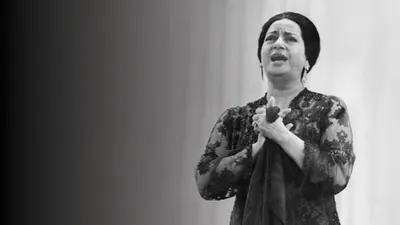
All works of Umm Kulthum

About the song

وُضع لحن كمال الطويل على البيانو أثناء العدوان الثلاثي عام 1956، ثم كُتبت كلمات صلاح جاهين على اللحن، وأجرت أم كلثوم البروفات عليها في بيتها أثناء غارة جوية، وسُجّلت في الإذاعة المصرية خلال الحرب. وفي عام 1958 اختارت مسابقة جائزتها 5000 جنيه موسيقاها نشيدًا وطنيًا لمصر، واستُخدمت أيضًا نشيدًا للعراق وليبيا.

Kamāl al-Ṭawīl's tune was set at the piano during the 1956 Tripartite Aggression and Ṣalāḥ Jāhīn's words were written to it; Umm Kulthūm rehearsed it at her home during an air raid, and it was recorded at Egyptian Radio during the war. In 1958 a competition, with a prize of 5,000 pounds, chose its music as Egypt's national anthem; it was also used as the anthem of Iraq and Libya.

Lyrics21

ولله زمان يا سلاحىWa-llāh zamān yā silāḥīاشتأت لك فى كفاحىIshtaʼt lak fī kifāḥīانطأ و اول انا صاحىيا حرب ولله زمانYā Ḥarb wa-llāh zamān

ولله زمان ع الجنودWa-llāh zamān ʻ al-junūdزاحفه بترعد رعودZāḥfah bitraʻʻid ruʻūdحالفه تروح لم تعودḤālfah tirūḥ lam taʻūdإللا بنصر الزمانIllā bi-Naṣr al-zamān

همو و ضمو الصفوفHammū wa ḍammū al-ṣufūfشيلو الحياه ع الكفوفShīlū al-ḥayāh ʻ al-kufūfياما العدو راح يشوفYāmā al-ʻaduww rāḥ yishūfمنكم فى نار الميدانMinkum fī nār al-maydān

يا مجد .. يا .. يا مجدناYā majd .. yā .. yā majdināيا اللى اتبنيت عندناYā illī itbannayt ʻindanāبشآنا و كدناعمرك ما تبئا هوانʻUmrak mā tibʼā hawān

مصر الحره مين يحميهاMiṣr al-ḥurrah mīn yiḥmīhāنحميها بسلاحناNiḥmīhā bisilāḥnāارض الثوره مين يفديهاArḍ al-thawrah mīn yifdīhāنفديها بارواحناNifdīhā bi-arwāḥnā

الشعب بيزحف زى النورAl-shaʻb bīzḥaf zayy al-nūrالشعب جبال الشعب بحورAl-shaʻb jibāl al-shaʻb buḥūrبركان غضبان بركان بيفورBurkān ghaḍbān burkān bīfūrزلزال بيشوء لهم فى قبور

ولله زمان يا سلاحىWa-llāh zamān yā silāḥīاشتأت لك فى كفاحىIshtaʼt lak fī kifāḥīانطأ و اول انا صاحىيا حرب ولله زمانYā Ḥarb wa-llāh zamān

In the record

  1. First performance or broadcast1تقول السيرة إن اللحن وصلها في ليلة غارة جوية، لكن الغارات بدأت في 31 أكتوبر، فيوم 29 أكتوبر غير مؤكد.The biography says the song reached her on a night of an air raid, but the air raids began on 31 October, so the day 29 October is uncertain.
  2. Recorded · في الإذاعة المصرية أثناء حرب 1956at Egyptian Radio, during the 1956 war ≠419
  3. First performance or broadcast15
  4. Year in a list ≠57
  5. Year given by a source2161721
  6. Composed · أثناء العدوان الثلاثيduring the Tripartite Aggression619
  7. Other date · النشيد الوطني لمصرnational anthem of Egypt6111217
  8. Year in a list ≠8
  9. Other date · اختارت مسابقة موسيقاها نشيدًا وطنيًا لمصرa competition chose its music as Egypt's national anthem6
  10. Other date · النشيد الوطني لمصرnational anthem of Egypt20
  11. Other date · النشيد الوطني لمصرnational anthem of Egypt2
  12. Other date · النشيد الوطني للعراقnational anthem of Iraq6
  13. Other date · نهاية استخدامها نشيدًا وطنيًا لمصرend of its use as Egypt's national anthem19
  14. Recorded · ثلاثة تسجيلات لموسيقى النشيد من دار الأوبراthree recordings of the anthem music, from the Opera House ≠19
  15. Other date · نهاية استخدامها نشيدًا وطنيًا لمصرend of its use as Egypt's national anthem19
  16. Other date · بُثّت تسجيلات 1973 في الحلقة 14 من «منتهى الطرب»the 1973 recordings aired in episode 14 of «Muntahá al-ṭarab»19

Details

Genre
نشيدAnthem / nashid5
Theme
وطنيpatriotic5
Maqam
عجمAjam35
Film, play or occasion
RadioEgyptian Radio, Suez War 19564
Medium
Radio
Releases
Sono Cairo «وطنيات» 11xCD box (undated, Discogs 33197616); instrumental «السلام الجمهوري» flexi-disc, Egyptair KF 173 (undated, Discogs 5543220)

Not yet sorted

  • Egypt's national anthem until the late 1970s

Recordings

Sources

  1. أم كلثوم (مطربة)
  2. والله زمان يا سلاحي
  3. قائمة أعمال أم كلثوم
  4. akhbarelyom.com/news/newdetails/4550975/1/
  5. قائمة أعمال أم كلثوم
  6. Akhbar el-Yom
  7. كمال الطويل
  8. Akhbar el-Yom
  9. Discogs
  10. Discogs
  11. لستة الحان كمال الطويل
  12. كمال الطويل
  13. Wikidata
  14. Kamal Al Taweel
  15. Al-Ahram Weekly
  16. Youm7
  17. Al-Bawaba News
  18. Al-Dostor
  19. sama3y.net
  20. English Wikipedia
  21. والله زمان يا سلاحى، ويكيبيديا مصرى (CC BY-SA 4.0)

On the pages of

Umm KulthumSalah JahinKamal al-Tawil