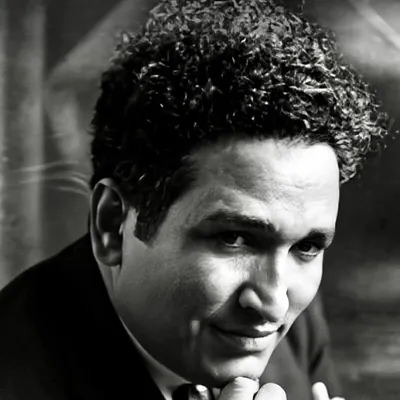
ترى بعض المصادر أن النص وارد في «سفينة الشهاب» بلحن قديم، فقد لا يكون اللحن من تلحين سيد درويش.Some sources hold that the text is in Safīnat al-shihāb with an old melody, so the melody may not be by Sayyid Darwīsh.
About the song
يُرجَّح أنه سُجّل بصوت درويش الحريري في مؤتمر القاهرة للموسيقى العربية سنة 1932.
It was probably recorded by Darwīsh al-Ḥarīrī at the Cairo Congress of Arab Music in 1932.
رُبط تسجيل مؤتمر 1932 بهذا الموشح بعنوانه الفرنسي فقط، والربط غير مؤكد.The 1932 Congress recording is matched to this muwashshaḥ by its French title only, and the match is not confirmed.
In the record
Recorded · القاهرة، مؤتمر الموسيقى العربيةCairo, at the Congress of Arab Music6
Recorded · تسجيل مرجَّح بصوت درويش الحريري في مؤتمر القاهرةprobable recording by Darwīsh al-Ḥarīrī at the Cairo Congress2
Details
Genre
موشحMuwashshah
Occasion
مؤتمر الموسيقى العربية الأولCairo Congress of Arab Music, 1932probable recording by Darwīsh al-Ḥarīrī at the Cairo Congress2
Maqam
بياتيBayati
Releases
BnF set, track 1-7 «Ô toi qui as les joues roses et douces»2
BnF CD 01/18, track 7 «Ô toi qui as les joues roses et douces · Donne, ô mon astre · Le soleil de ma coupe · Gloire à celui qui a créé cet astre» CD57
His Master's Voice HC-132 (matrix 0K-1043-1, cat. 30-9843) «Naemal Khaddil mowarrod – hat badri chamson rahi – galla man sagh» 78 rpm disc6