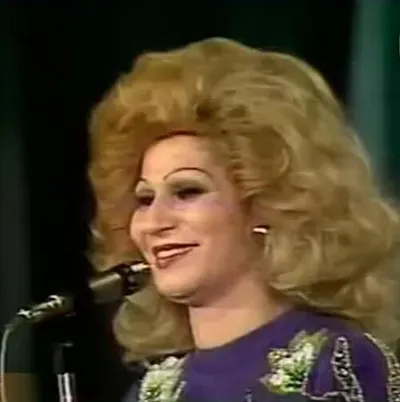
ليس واضحًا هل سبق أداء فايزة أحمد أداء محمد عبد الوهاب نفسه؛ وقد تكون إعادة غناء لا أغنية لُحّنت لها.It is not clear whether Fāyizah Aḥmad's version came before Muḥammad ʻAbd al-Wahhāb's own; it may be a cover rather than a song composed for her.
غنّى محمد عبد الوهاب هذه الأغنية بنفسه عام 1960، ثم غنّتها فايزة أحمد من بعده، وقد أُعجب عبد الوهاب بأدائها. وكان أداء مصوَّر لعبد الوهاب أُعدّ للتلفزيون المصري قد استُخدم بدلًا من ذلك في ختام فيلم «منتهى الفرح» (1963)، الذي يظهر فيه بشخصيته مغنّيًا. وغنّتها فايزة أحمد في حفلات عامي 1963 و1964، منها حفل معسكر الجلاء بالإسماعيلية يوم 7 نوفمبر 1964، وحفل على مسرح سينما الأندلس بالكويت.
Muḥammad ʻAbd al-Wahhāb sang this song himself in 1960, and Fāyizah Aḥmad sang it after him; ʻAbd al-Wahhāb admired her version. A filmed performance by ʻAbd al-Wahhāb meant for Egyptian television was used instead at the end of the film «Muntahá al-faraḥ» (1963), in which he appears as himself, singing. Fāyizah Aḥmad sang it at concerts in 1963 and 1964, among them one at the al-Jalāʼ camp in Ismailia on 7 November 1964 and one at the al-Andalus cinema theatre in Kuwait.
يستخدم فيلم «منتهى الفرح» أداء محمد عبد الوهاب نفسه، لا أداء فايزة أحمد.The film «Muntahá al-faraḥ» uses Muḥammad ʻAbd al-Wahhāb's own performance, not Fāyizah Aḥmad's.
Medium
Other · Radio
الإذاعة وسيط مفترض، لا موثّق لهذه الأغنية.The radio medium is assumed, not documented for this song.
First line
قالوا لى هان الود عليه
Releases
labels named in lists: Sono el Fann (صوت الفن) [arwiki infobox]