هابیل علیافHabil Aliyev
 AğdaşAzerbaijan
Works per decade · click a bar to filter
2004-10-22released Bayati Shiraz2004
Habil Aliyev
2004-10-22released سهگاهSegah2004
Habil Aliyev
2024-08-14reissued Apardı sellər saranı2024
Habil Aliyev
2024-08-14reissued Cücələrim2024
Habil Aliyev
2024-08-14reissued Dilbərim2024
Habil Aliyev
2024-08-14reissued Dəşti təsnifi2024
Habil Aliyev
2024-08-14reissued Sarı Köynək2024
Habil Aliyev
2024-08-14reissued Tello2024
Habil Aliyev
2024-08-14reissued Zabul Təsnifi2024
Habil Aliyev
Biography
هابیل علیاف (1927–2015) عازف كمانچه أذربيجانيّ من كبار أساتذة المُغام، لُقّب «باغانيني أذربيجان». سُجّل عزفه في مختارات اليونسكو للموسيقى التقليديّة سنة 1979، وألهم الموسيقيّ الإسرائيليّ مارك إلياهو العزف على الكمانچه.
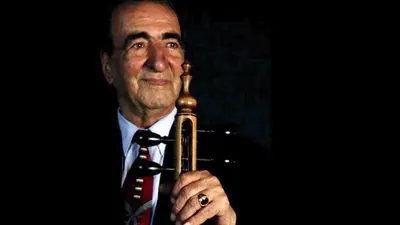
Habil Aliyev (1927–2015) was an Azerbaijani master of the kamancheh in the mugham tradition, called «the Paganini of Azerbaijan». His playing was recorded in UNESCO's anthology of traditional music in 1979, and he inspired the Israeli musician Mark Eliyahu to take up the kamancheh.
The facts and their sources
Life
- Born 28 May 1927, Ağdaş, Azerbaijan[1]
- Died 8 September 2015, Baku, Azerbaijan[1]
Career
- A master of the kamancheh in the Azerbaijani mugham; his first performances abroad, in the United Kingdom accompanying Rashid Behbudov, earned him the name «the Paganini of Azerbaijan».[1]
- 1979 — Recorded in UNESCO's «Anthologies of the world's traditional music» (Berlin, 1979); gave new life to the mughams Segah, Bayati-Gajar, Bastanigar, Bayati-Shiraz, Rahab, Bayati-Kurd, Chahargah, Rast and Zabul.[1]
- Inspired the Israeli musician Mark Eliyahu to play the kamancheh.[1]
- 2009 — A symbolic «last concert» at Tehran's Roudaki hall.[1]
Sources
Every work is placed on the timeline at the earliest date found for it. Under each date a word says what happened then: recorded, film premiere, first performed, performed, released, reissued (a release after the performers' death), composed, or listed (a year in a published works list). Works with no date come last.
The colors group the works by category, and the buttons below the chart filter by it.
Select a row to hear it in the player; press Details for every date, the conflicts between sources, and the links behind them. The ↑ and ↓ keys move through the list. Titles are given in their original Arabic, with a transliteration beside them.
يوضع كل عمل على الخط الزمني عند أبكر نقطة معروفة كان موجودًا فيها: التلحين، أو أول أداء أو بث، أو العرض الأول للفيلم، أو التسجيل، أو الأسطوانة الأصلية. ويُحفظ كل نوع من التواريخ على حدة.
لا تُعدّ إعادة الإصدار أو المختارات ظهورًا أولًا أبدًا؛ وحين تكون الدليل المؤرَّخ الوحيد، يشير السطر إلى «حتى» تلك السنة. ويُعامَل بالطريقة نفسها أداءٌ مؤرَّخ لا يذكر أي مصدر أنه كان الأول.
الأعمال المؤرَّخة فقط بسنة وردت في قائمة منشورة تُبيّن ذلك، والأعمال التي لا تاريخ لها إطلاقًا تأتي في النهاية. الألوان تجمع الأعمال بحسب الفئة، والأزرار تحت الرسم البياني تصفّي بحسبها.
اختر سطرًا لسماعه في المشغّل، واضغط «التفاصيل» لكل تاريخ وللتعارضات بين المصادر وللروابط التي تقف خلفها. المفتاحان ↑ و↓ ينتقلان عبر القائمة. وتُعرض العناوين بلغتها العربية الأصلية، وإلى جانبها كتابتها بحروف لاتينية أو عبرية.