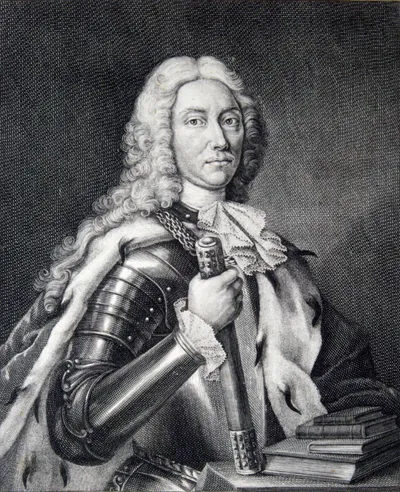
ديمتري كانتيميرDimitrie Cantemir
 Turkey
Works per genre · click a bar to filter
1673–1723composed Acem-yegâh Peşrevi1673
Instrumental
Details
- Music
- Genre
On YouTube
1673–1723composed Aksak Semâî1673
Instrumental
Details
- Music
- Genre
- موسيقىInstrumental1
Sources
1673–1723composed Bestenigâr Peşrevi1673
Instrumental · Bestenigâr
On YouTube
1673–1723composed Bûselik Peşrevi1673
Instrumental · Busalik
On YouTube
Sources
- En Chordais+Constantinople+Imane Homsy: Demetrius Cantemir(es)- Bouselik pesrev
- Bûselik Peşrev - Dimitri Kantemiroğlu
- Bûselik Peşrev - Dimitri Kantemiroğlu
- Buselik Peşrev - Dimitri Kantemiroğlu
- Dimitri Kantemiroğlu - Bûselik Peşrev / Usûl Devr-i Revân [HD]
- Rameau - Ritornelle // Kantemir - Buselik Peşrev
- Bûselik Peşrev Beste: Kantemiroğlu
- 20 Dicembre / Buselik Peşrev / Kantemiroğlu
- Buselik Peşrev | Kantemiroğlu #türkmüziği #turkishmusic #kanun #oud #peşrev #cantemir #music
1673–1723composed Bûselik Taksimi1673
Taqsim · Busalik
Details
- Music
- Genre
- تقسيمTaqsim1
- Maqam
- بوسلكBusalik
On YouTube
1673–1723composed Büzürg Peşrevi1673
Instrumental
On YouTube
Sources
- Büzürk Peşrev - Dimitrie Cantemir - Ross Daly
- Harvard University Italian Renaissance Center I Tatti - Kantemiroğlu - Büzürk Peşrevi
- Büzürk Peşrevi - 18th Century - Dimitri Kantemiroğlu
- Bezmârâ Topluluğu - Büzürg Peşrev (Kantemiroğlu)
- Pesrev makam Buzurk - #oud - Dimitrie Cantemir (1673-1723)
- 17th century - Dmitrie Kantemir’s Büzürk Peşrev
- Dimitri Kantemir- Büzürük Peşrev Murat Salim Tokaç Hidayet Gürsel
1673–1723composed Elçi Peşrevi1673
Instrumental
Details
- Music
- Genre
- موسيقىInstrumental1
On YouTube
1673–1723composed Hicaz Peşrevi1673
Instrumental · Hicaz
Details
- Music
- Genre
- موسيقىInstrumental1
- Maqam
- حجازHicaz
Sources
1673–1723composed Hicaz Saz Semâîsi1673
Instrumental · Hicaz
Details
- Music
- Genre
- موسيقىInstrumental1
- Maqam
- حجازHicaz
On YouTube
1673–1723composed Hüseynî Peşrevi1673
Instrumental · Hüseynî
On YouTube
1673–1723composed Isfahan Peşrevi1673
Instrumental
Details
On YouTube
1673–1723composed Kürdî Saz Semâîsi1673
Instrumental · Kürdi
Details
- Music
- Genre
- موسيقىInstrumental1
- Maqam
- كردKürdi
1673–1723composed Muhayyer Peşrevi1673
Instrumental
Details
On YouTube
1673–1723composed Nevâ Peşrevi1673
Instrumental
On YouTube
1673–1723composed Nevâ Saz Semâîsi1673
Instrumental
On YouTube
1673–1723composed Nihâvend Saz Semâîsi1673
Instrumental · Nihavend
Details
- Music
- Genre
- موسيقىInstrumental1
- Maqam
- نهاوندNihavend
On YouTube
1673–1723composed Pençgâh Saz Semâîsi1673
Instrumental
On YouTube
1673–1723composed Rast Peşrevi1673
Instrumental · Rast
On YouTube
Sources
- - Dimitrie Cantemir composition - Peşrev in Makam Rast (168).flv
- Rast Peşrev - Dimitrie Cantemir (Kantemiroğlu)
- Sekiz Tanbur - Murat Aydemir - Rast Pesrevi (Kantemiroglu)
- Dimitrie Cantemir: Pesrev in Rast mode
- Rast Peşrev - Dimitri KANTEMİROĞLU
- İZMİR DEVLET KOROSU - KANTEMİROĞLU'NUN RAST PEŞREVİ
- Meriç Dönük - Rast Peşrev ( Dimitri Kantemir ) - Rast Longa ( Bora Uymaz )
- Kantemiroğlu - Rast Peşrev
- İDTMT- RAST PEŞREV KANTEMİR
- RAST PEŞREV (DİMİTRİ KANTEMİROĞLU) İZMİR DEVLET KLASİK TÜRK MÜZİĞİ KOROSU
- Dimitrius Cantemir Kantemiroğlu Rast Pesrev
- Kantemir Rast Pesrev
- MURABBA KAYITLAR - ŞİRİN PANCAROĞLU ' Rast Peşrev Kantemir '
- Rast Peşrev (Kantemiroğlu)
1673–1723composed Rehâvî Saz Semâîsi1673
Instrumental
Details
On YouTube
1673–1723composed Sazkâr Peşrevi1673
Instrumental · Sazkâr
On YouTube
Sources
- Sazkâr Peşrev - Dimitri Kantemiroğlu
- ARA NEY - Sazkâr Peşrevi - Kantemiroğlu
- Sazkar pesrev Dimitriou Kantemir (Ottoman Music)
- -Sazkar peşrev Kantemiroğlu
- Sazkar Peşrev Kantemiroğlu Kız Ney (Sühendan Çetin)
- Sazkar Peşrev Kantemiroğlu Mansur Ney
- Sazkar Peşrev (Prens Dimitri Kantemir)
- SAZKAR PEŞREV, KANTEMİROĞLU - Emre Solakoğlu, Sercan Peşan, Said Dumanlı, Ahmet Altınkaynak
- Ney Quartet || Sazkâr Peşrevi-Dimitri Kantemir
- Sazkâr Peşrevi, Dimitri Kantemiroğlu
- Sazkâr Peşrev [ Kantemiroğlu ]
- Sâzkâr Peşrevi - Kantemiroğlu
- Sazkâr Peşrev: Kantemiroğlu - بشرف سازكار: قنطمير أوغلو
- SAZKAR PEŞREV- DİMİTRİ KANTEMİROĞLU
- Kantemiroğlu | Peşrev (SAZKAR)
- Sazkâr Peşrev (1st hane & teslim) - Dimitri Kantemiroğlu (with notes)
- SAZKAR PEŞREV (Dimitri Kantemiroğlu ) İZMİR DEVLET KLASİK TÜRK MÜZİĞİ KOROSU
- Sazkâr Peşrev (1. 2. 3. 4. Hane & Teslim) // Kantemiroğlu
- Sazkâr Peşrev Kantemiroğlu - بشرف سازكار قنطمير أوغلو
- Sazkâr Peşrev (Dimitri Kantemiroğlu) - Kasım Selman Öztürk
1673–1723composed Sazkâr Saz Semâîsi1673
Instrumental · Sazkâr
Details
- Music
- Genre
- موسيقىInstrumental1
- Maqam
- سازكارSazkâr
On YouTube
1673–1723composed Sipihr Peşrevi1673
Instrumental
On YouTube
1673–1723composed Uşşak Saz Semâîsi1673
Instrumental · Uşşak
Details
- Music
- Genre
- موسيقىInstrumental1
- Maqam
- عشاقUşşak
1673–1723composed Zirefkend Peşrevi1673
Instrumental
Details
On YouTube
1673–1723composed Çârgâh Peşrevi1673
Instrumental · Çargâh
Details
- Music
- Genre
- موسيقىInstrumental1
- Maqam
- جهاركاهÇargâh
1673–1723composed Şûrî Saz Semâîsi1673
Instrumental
Details
On YouTube
Biography
ديمتري كانتيمير (1673–1723) أمير مولدافيا مرّتين، وفيلسوف ومؤرّخ ولغويّ. أمضى أكثر سنوات 1687–1710 في القسطنطينيّة رهينةً ومبعوثًا، فتعلّم التركيّة ولحّن في الموسيقى العثمانيّة، ثمّ حالف روسيا على العثمانيّين ولجأ إليها بعد هزيمتها.
دوّن في «كتاب علم الموسيقى» نحو ثلاثمئة وخمسين قطعة آليّة بتدوين ابتكره على الحروف العثمانيّة، فحفظها من الضياع، ولحّن نحو أربعين قطعة ما زال بعضها يُعزف.
Dimitrie Cantemir (1673–1723) was twice prince of Moldavia, and a philosopher, historian and linguist. He spent most of 1687–1710 in Constantinople as hostage and envoy, learned Turkish and composed Ottoman music; later he allied with Russia against the Ottomans and went into exile there after Russia's defeat.
In his Book of the Science of Music he wrote down some three hundred and fifty instrumental pieces in a notation he made from the Ottoman alphabet, saving them from loss, and composed some forty pieces of his own, a few still played.
The facts and their sources
Life
- Born 26 October 1673, Silișteni, Moldavia[1]
- Died 21 August 1723, his estate at Dmitrovka, near Oryol, Russia[1]
Career
- 1693–1711 — Prince of Moldavia twice (1693 and 1710–1711); allied with Russia against the Ottomans, and after Russia's defeat went into exile there.[1]
- 1687–1710 — Spent most of 1687–1710 in Constantinople as hostage and envoy; learned Turkish, studied Ottoman history, and composed Ottoman music.[1]
- In his Book of the Science of Music he wrote down some 350 instrumental pieces in a notation of his own, based on the Ottoman Turkish alphabet, preserving them.[1]
- Also a philosopher, historian, linguist and geographer; father of the poet Antiochus Cantemir.[1]
Output, as the sources state it
- Some forty Ottoman compositions of his own; a few are still played.[1]
Sources
Every work is placed on the timeline at the earliest date found for it. Under each date a word says what happened then: recorded, film premiere, first performed, performed, released, reissued (a release after the performers' death), composed, or listed (a year in a published works list). Works with no date come last.
The colors group the works by category, and the buttons below the chart filter by it.
Select a row to hear it in the player; press Details for every date, the conflicts between sources, and the links behind them. The ↑ and ↓ keys move through the list. Titles are given in their original Arabic, with a transliteration beside them.
يوضع كل عمل على الخط الزمني عند أبكر نقطة معروفة كان موجودًا فيها: التلحين، أو أول أداء أو بث، أو العرض الأول للفيلم، أو التسجيل، أو الأسطوانة الأصلية. ويُحفظ كل نوع من التواريخ على حدة.
لا تُعدّ إعادة الإصدار أو المختارات ظهورًا أولًا أبدًا؛ وحين تكون الدليل المؤرَّخ الوحيد، يشير السطر إلى «حتى» تلك السنة. ويُعامَل بالطريقة نفسها أداءٌ مؤرَّخ لا يذكر أي مصدر أنه كان الأول.
الأعمال المؤرَّخة فقط بسنة وردت في قائمة منشورة تُبيّن ذلك، والأعمال التي لا تاريخ لها إطلاقًا تأتي في النهاية. الألوان تجمع الأعمال بحسب الفئة، والأزرار تحت الرسم البياني تصفّي بحسبها.
اختر سطرًا لسماعه في المشغّل، واضغط «التفاصيل» لكل تاريخ وللتعارضات بين المصادر وللروابط التي تقف خلفها. المفتاحان ↑ و↓ ينتقلان عبر القائمة. وتُعرض العناوين بلغتها العربية الأصلية، وإلى جانبها كتابتها بحروف لاتينية أو عبرية.