هنگامه اخوانHengameh Akhavan
 Sowme'eh SaraIran
Works per decade · click a bar to filter
1976-05-25released Morghe Sahar1976
Morteza NeydavudHengameh Akhavan
Details
On YouTube
2014-11-29released موسم گل2014
Hengameh Akhavan
2014-11-29released هزار جهد, Pt. 12014
Hengameh Akhavan
2014-11-29released هزار جهد, Pt. 22014
Hengameh Akhavan
Details
On YouTube
2014-11-29released هزار جهد, Pt. 32014
Hengameh Akhavan
Details
On YouTube
2014-11-29released هزار جهد, Pt. 42014
Hengameh Akhavan
Details
On YouTube
2014-11-29released هزار جهد, Pt. 52014
Hengameh Akhavan
Details
On YouTube
2014-11-29released هزار جهد, Pt. 62014
Hengameh Akhavan
Details
On YouTube
2014-11-29released هزار جهد, Pt. 72014
Hengameh Akhavan
Details
On YouTube
Biography
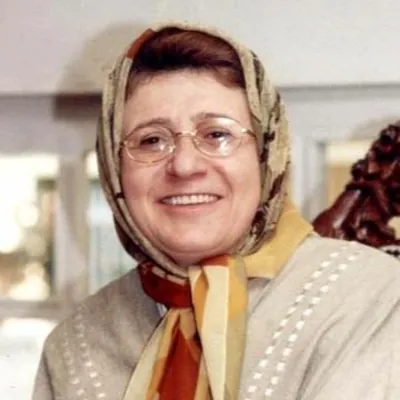
هنگامه اخوان (مواليد 1955 في گيلان) مغنّية إيرانيّة للموسيقى الأصيلة. تعلّمت الآواز من أبيها منذ العاشرة، ثمّ الرديف عشر سنين على أديب خوانساري، وغنّت في الإذاعة منذ 1975 مع فرقتَي «عارف» و«شيدا».
Hengameh Akhavan (born 1955 in Gilan) is an Iranian singer of classical music. She learned avaz from her father from the age of ten, then the radif for ten years with Adib Khansari, and sang on the radio from 1975 with the Aref and Sheyda ensembles.
The facts and their sources
Life
- Born 1955, Kalashem-e Pa'in, Sowme'eh Sara, Gilan, Iran[1]
- Learned avaz-e Dashti from her father from the age of ten; after a radio audition (Ali Tajvidi, Morteza Hannaneh, Habibollah Badiei, Javad Maroufi on the panel) she studied the radif, and for ten years with Adib Khansari of the Isfahan school.[1]
Career
- from 1975 — Sang on the radio from 1975, beginning with the songs of Qamar ol-Moluk Vaziri; sang with the Aref Ensemble of Parviz Meshkatian and the Sheyda Ensemble of Mohammad Reza Lotfi.[1]
Sources
Every work is placed on the timeline at the earliest date found for it. Under each date a word says what happened then: recorded, film premiere, first performed, performed, released, reissued (a release after the performers' death), composed, or listed (a year in a published works list). Works with no date come last.
The colors group the works by category, and the buttons below the chart filter by it.
Select a row to hear it in the player; press Details for every date, the conflicts between sources, and the links behind them. The ↑ and ↓ keys move through the list. Titles are given in their original Arabic, with a transliteration beside them.
يوضع كل عمل على الخط الزمني عند أبكر نقطة معروفة كان موجودًا فيها: التلحين، أو أول أداء أو بث، أو العرض الأول للفيلم، أو التسجيل، أو الأسطوانة الأصلية. ويُحفظ كل نوع من التواريخ على حدة.
لا تُعدّ إعادة الإصدار أو المختارات ظهورًا أولًا أبدًا؛ وحين تكون الدليل المؤرَّخ الوحيد، يشير السطر إلى «حتى» تلك السنة. ويُعامَل بالطريقة نفسها أداءٌ مؤرَّخ لا يذكر أي مصدر أنه كان الأول.
الأعمال المؤرَّخة فقط بسنة وردت في قائمة منشورة تُبيّن ذلك، والأعمال التي لا تاريخ لها إطلاقًا تأتي في النهاية. الألوان تجمع الأعمال بحسب الفئة، والأزرار تحت الرسم البياني تصفّي بحسبها.
اختر سطرًا لسماعه في المشغّل، واضغط «التفاصيل» لكل تاريخ وللتعارضات بين المصادر وللروابط التي تقف خلفها. المفتاحان ↑ و↓ ينتقلان عبر القائمة. وتُعرض العناوين بلغتها العربية الأصلية، وإلى جانبها كتابتها بحروف لاتينية أو عبرية.